




Faith, trade and the architecture of co-existence
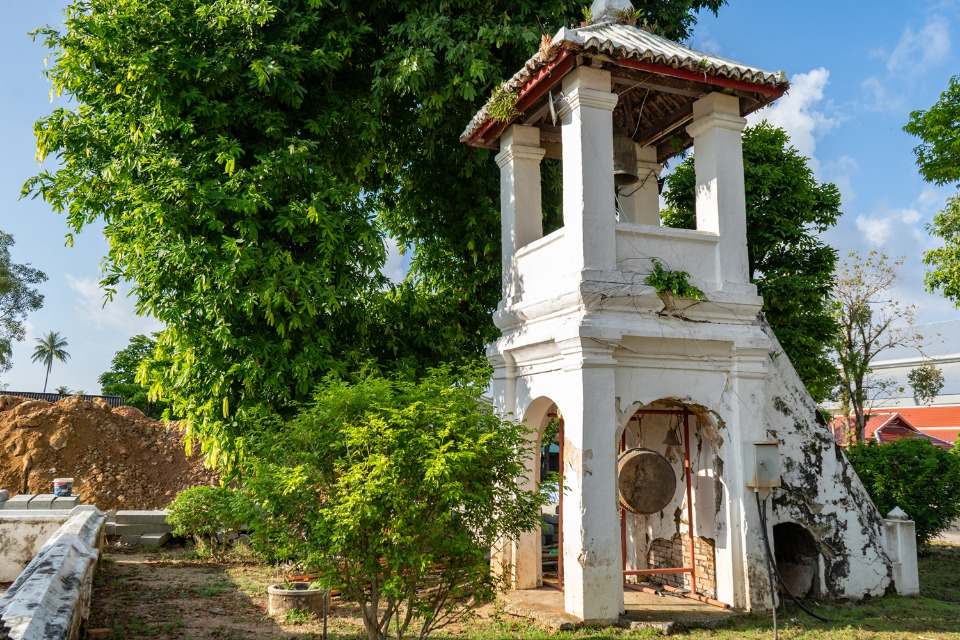
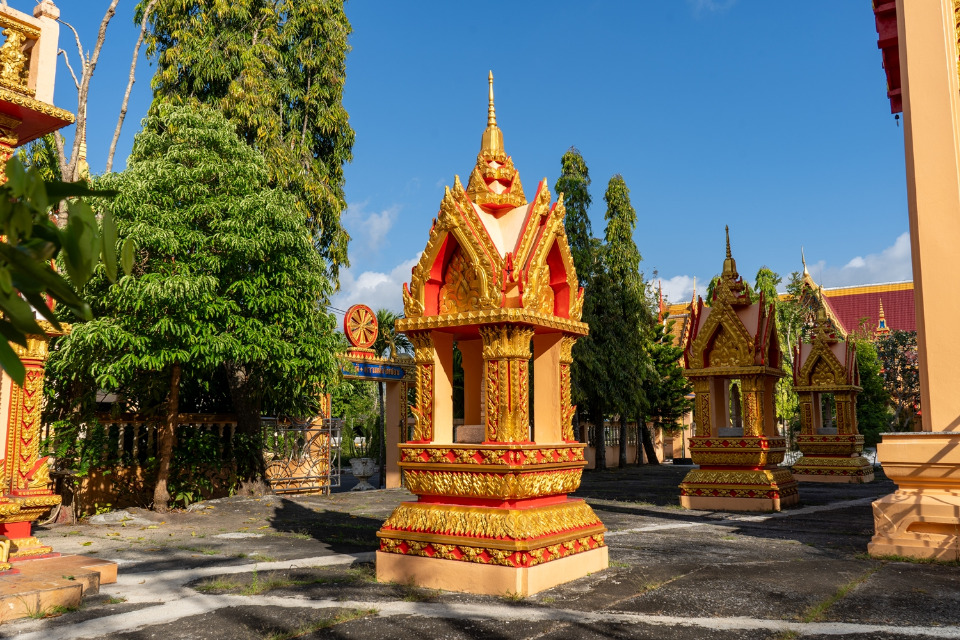
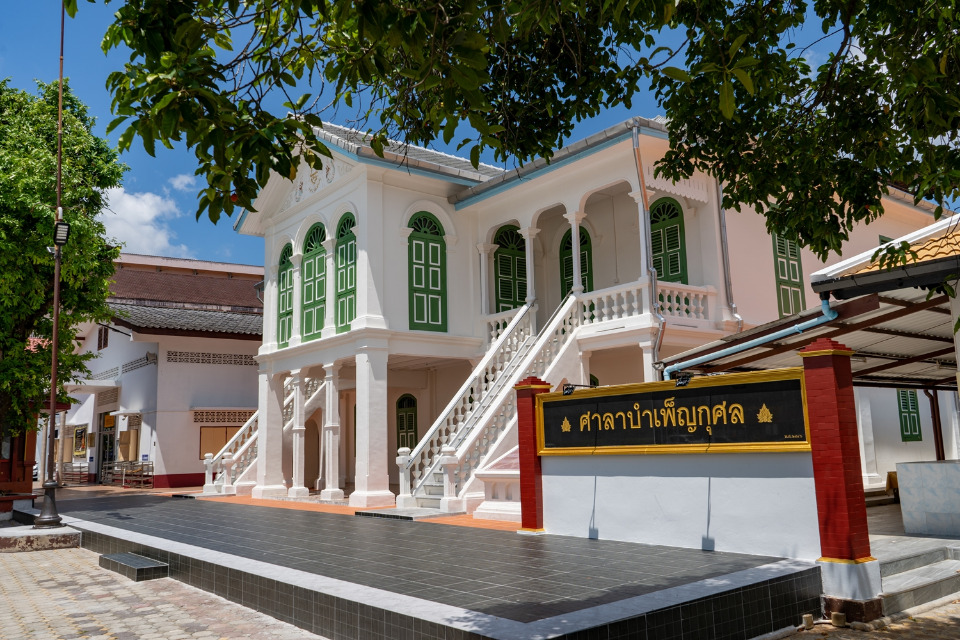
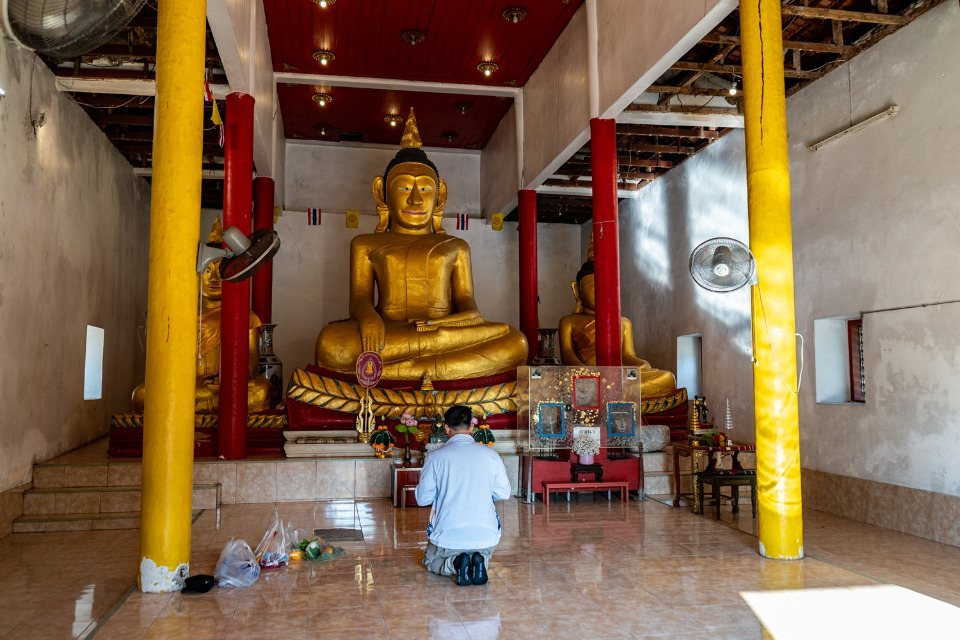 Wat Phra Nang Sang
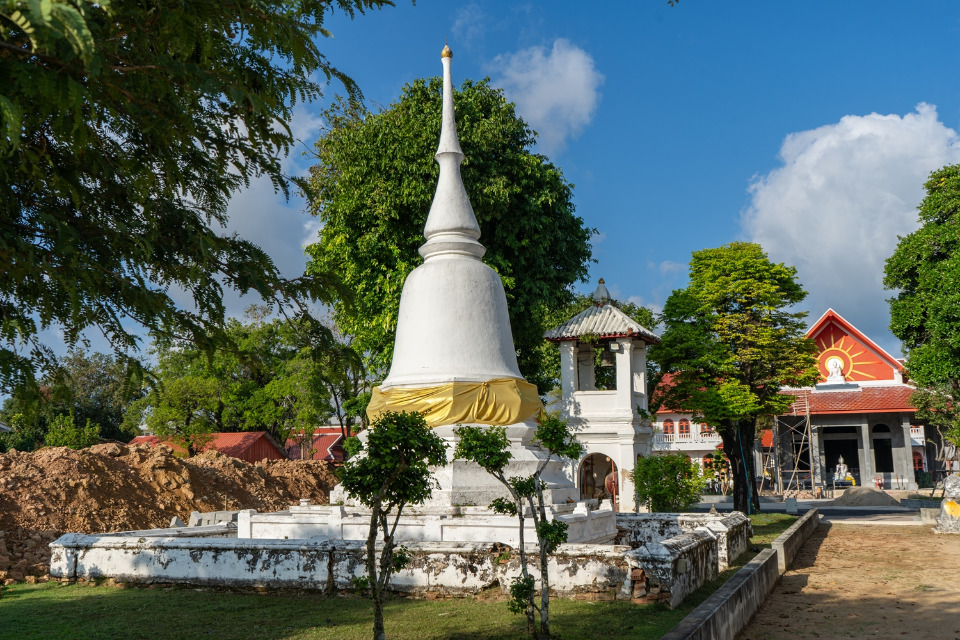 Wat Phra Nang Sang
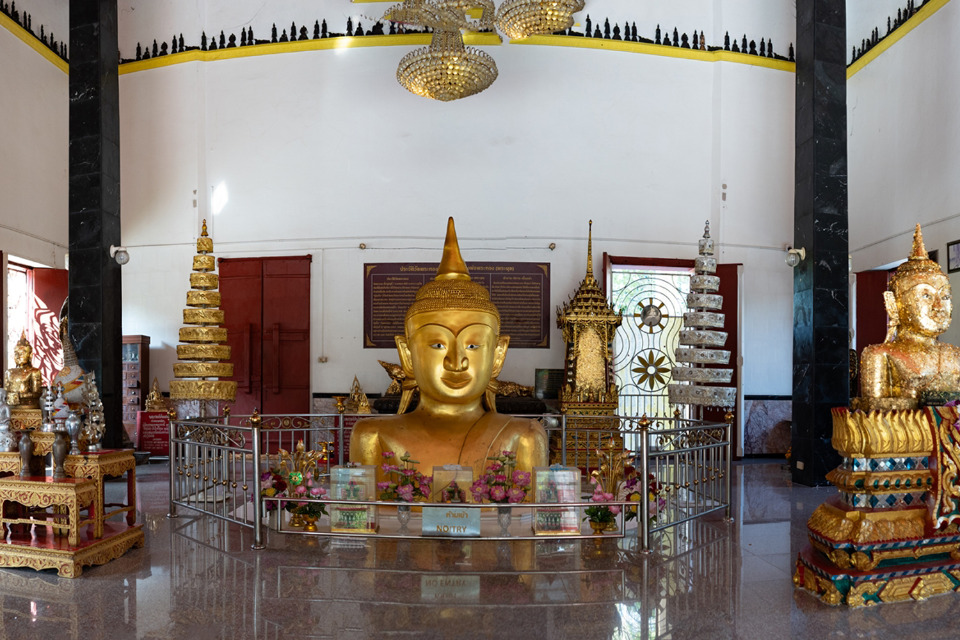
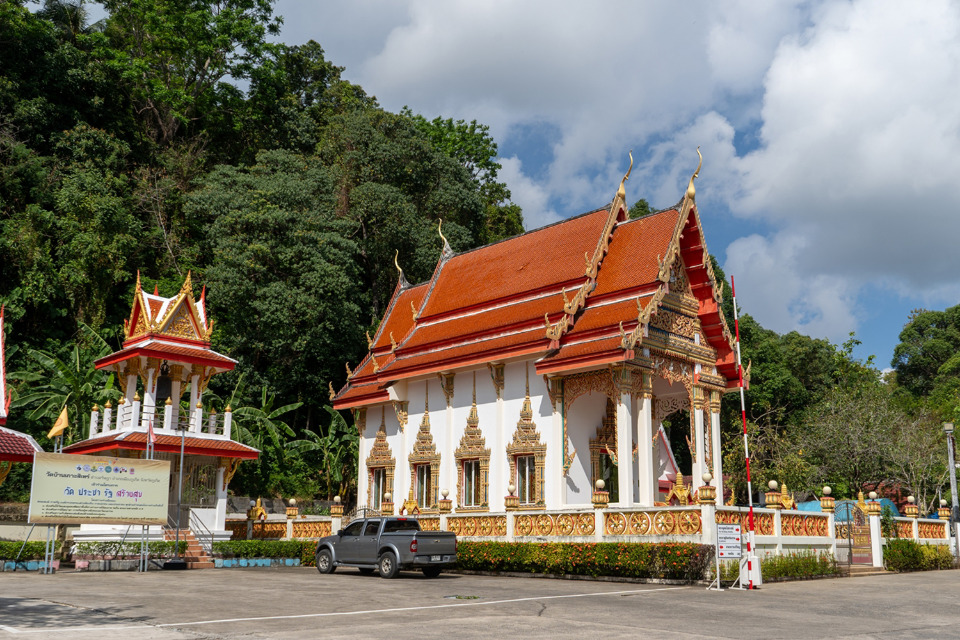
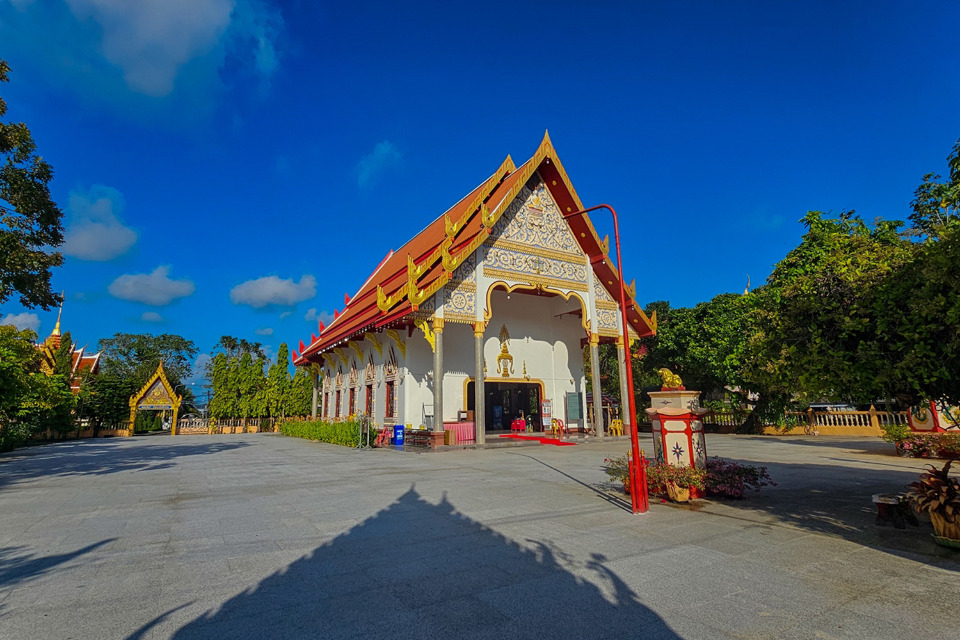 Wat Phra Thong
 Wat Phra Thong
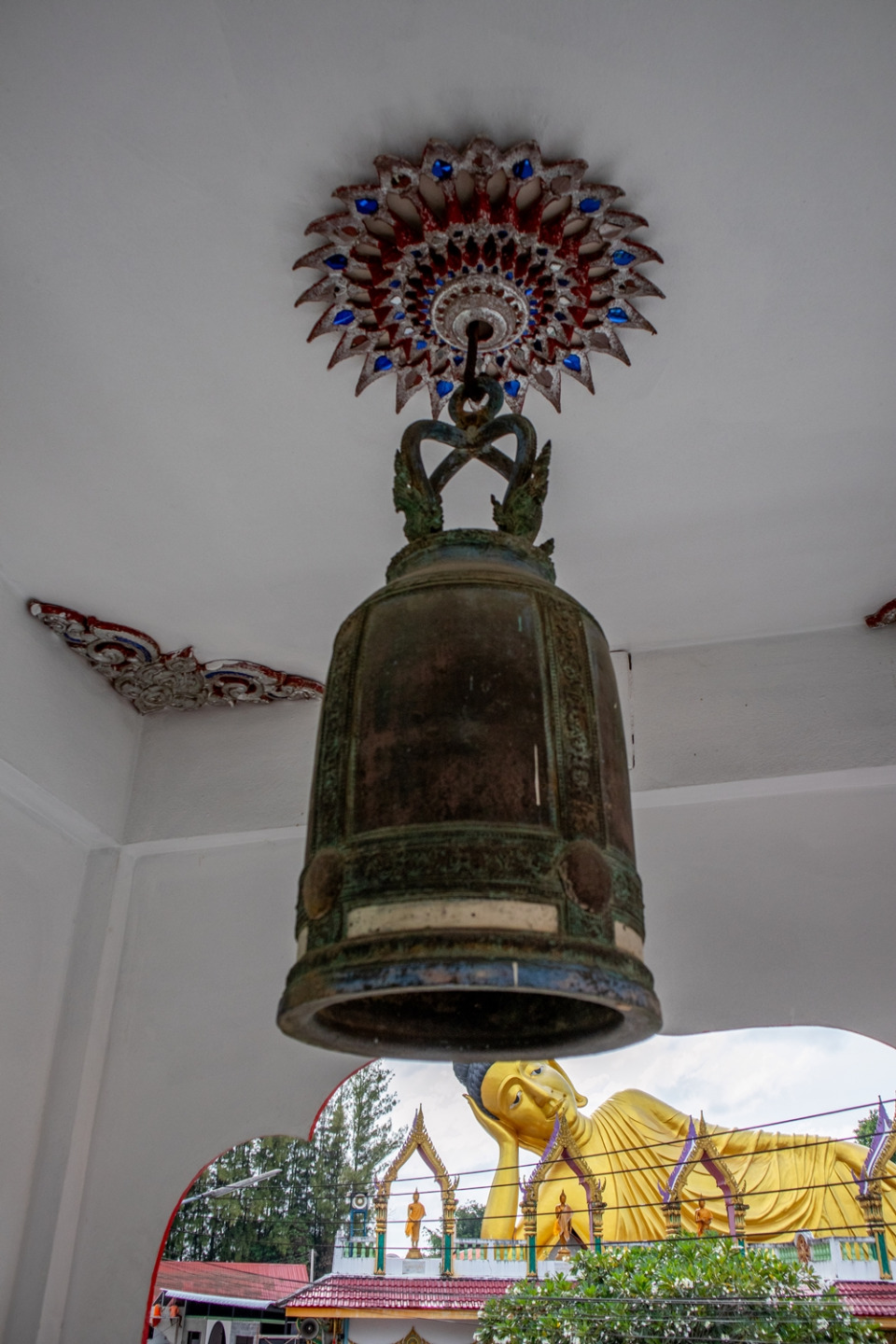
 Wat Sri Sunthon
 Wat Mongkhon Nimit
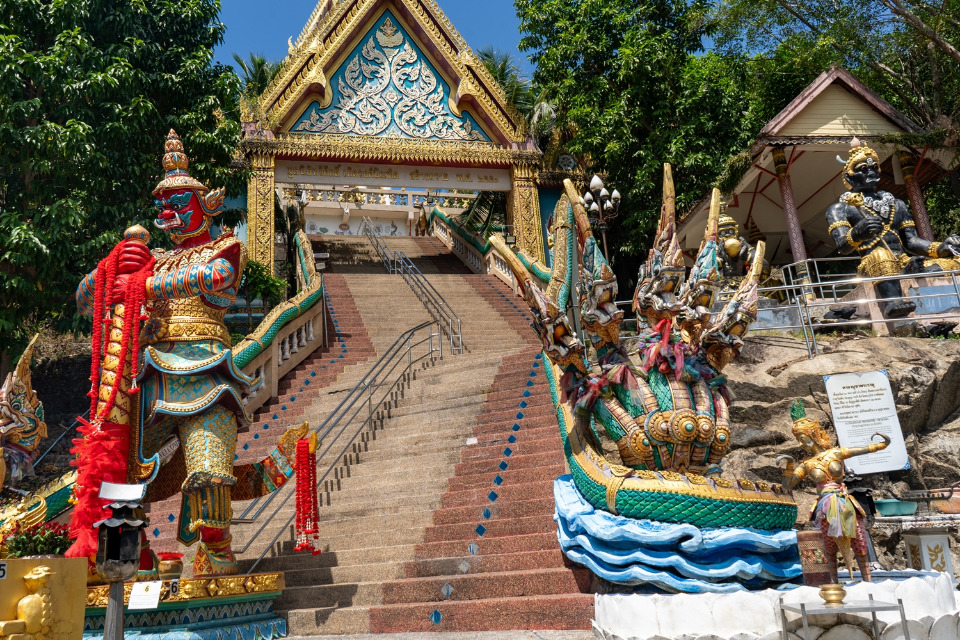
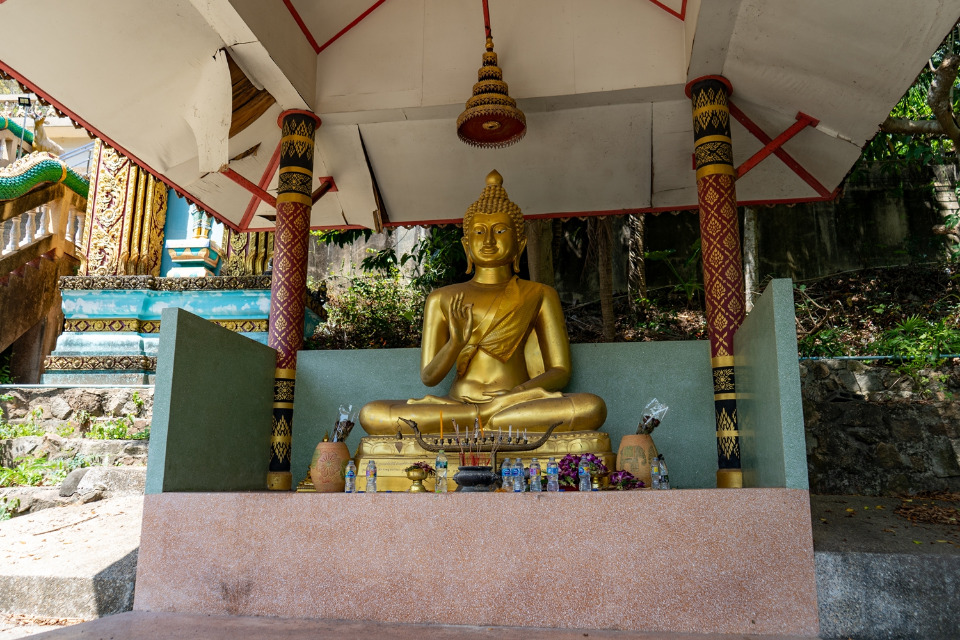
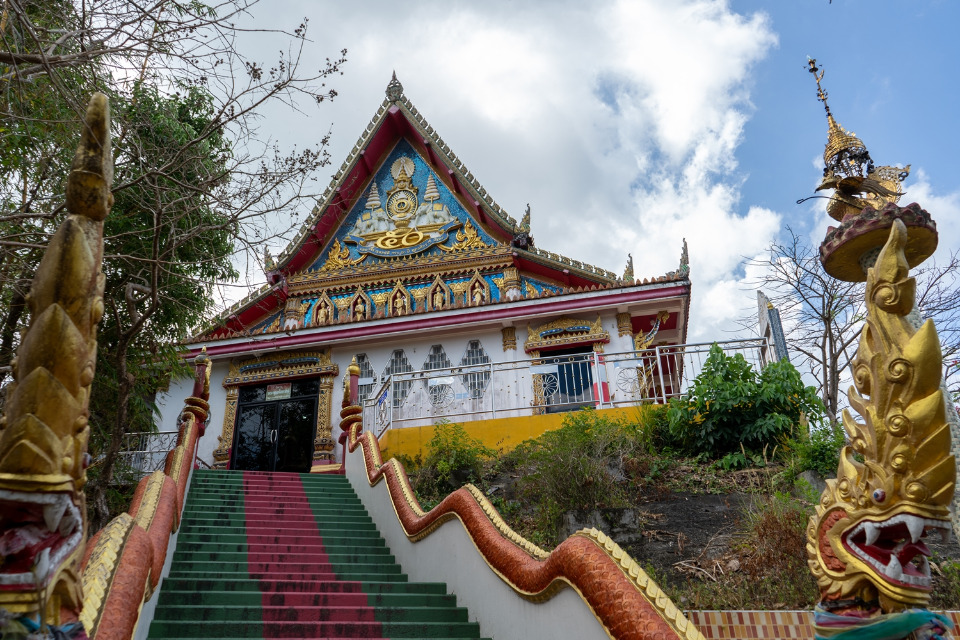
 Wat Khao Rang Samakkhitham
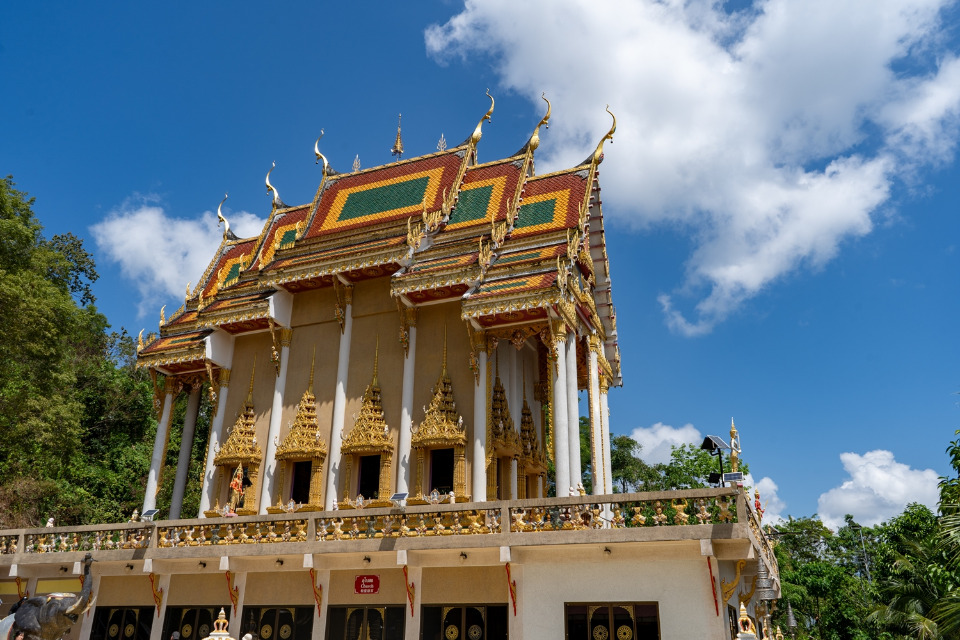
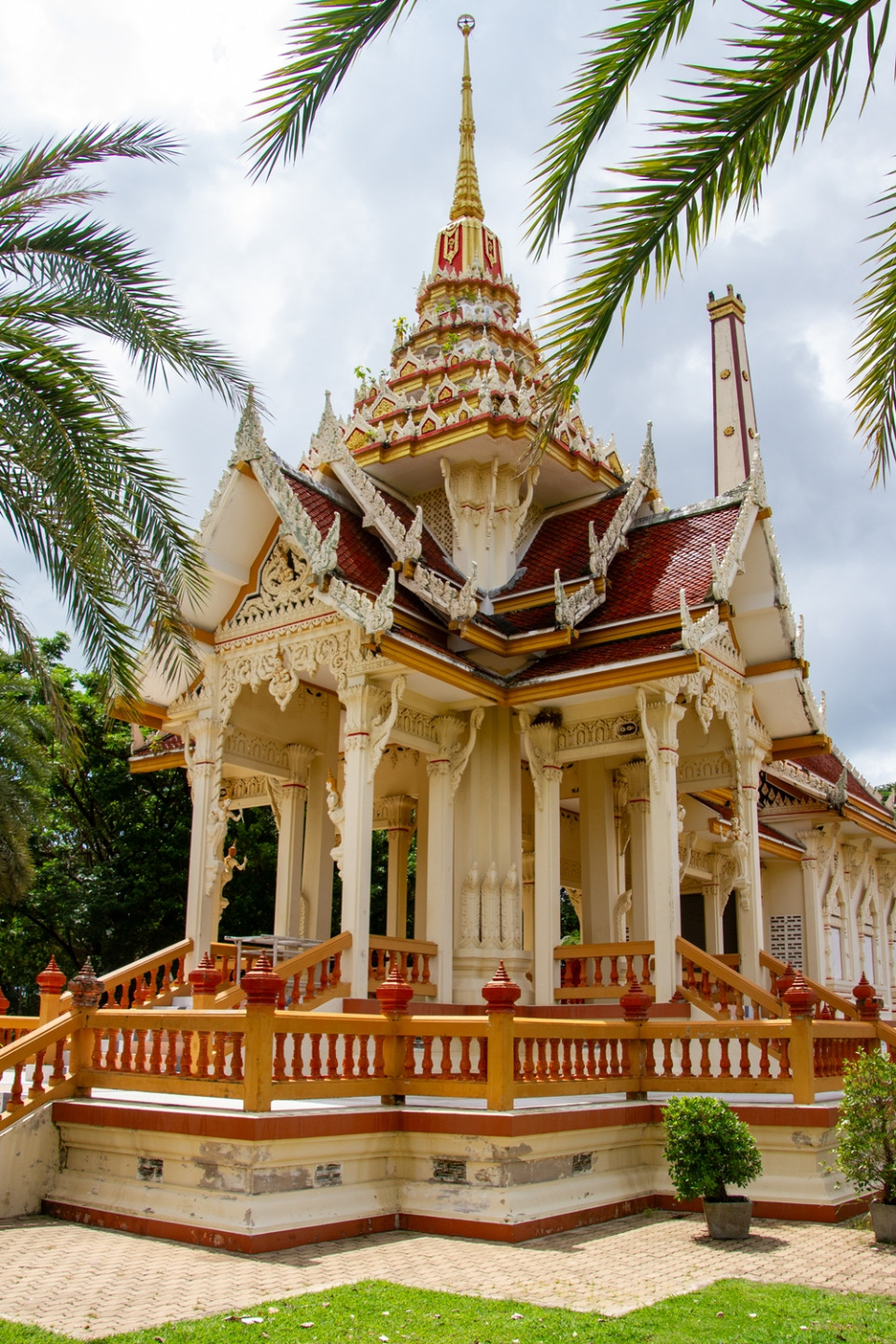
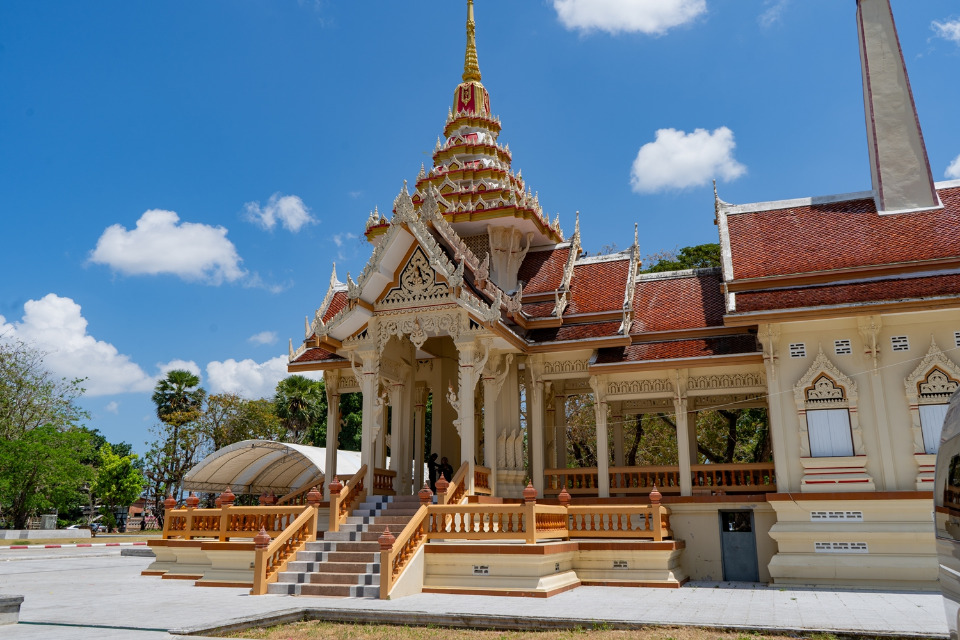
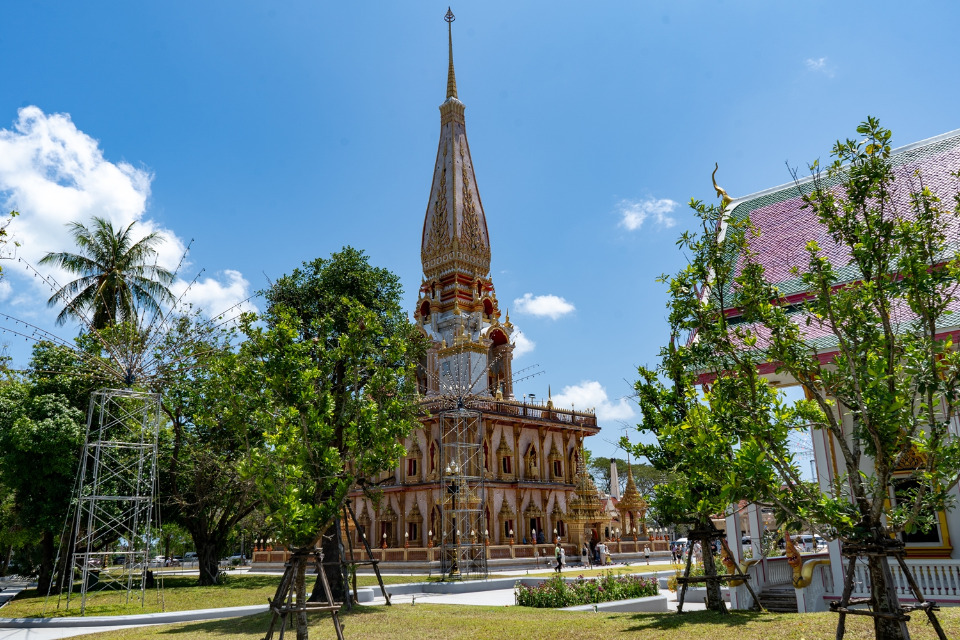
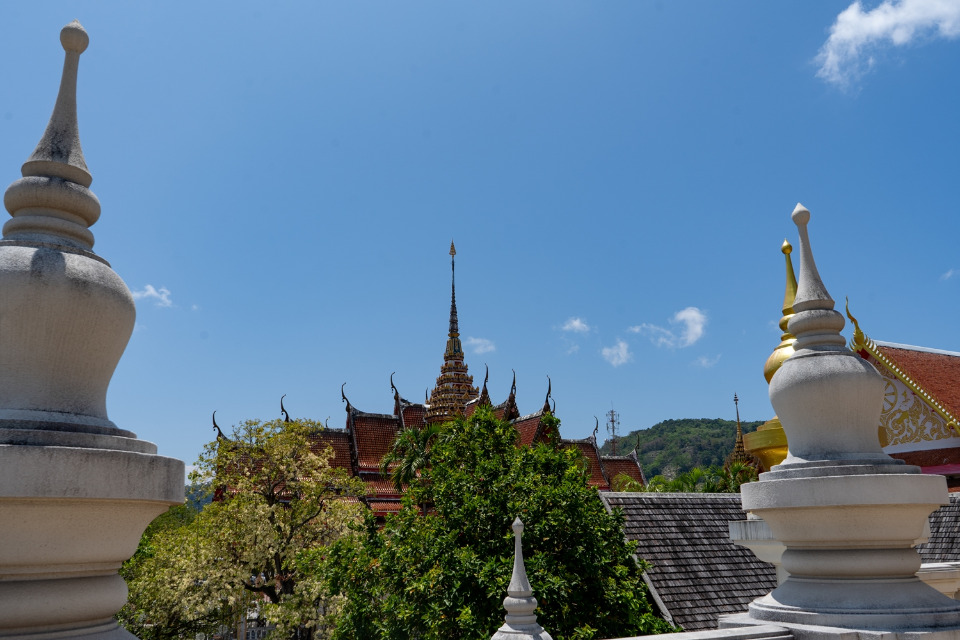
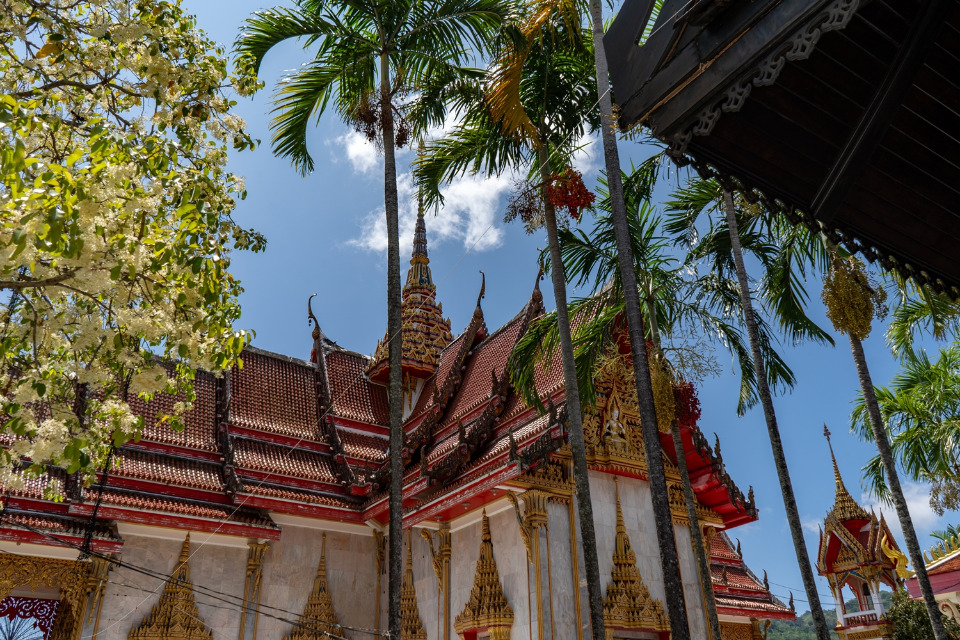
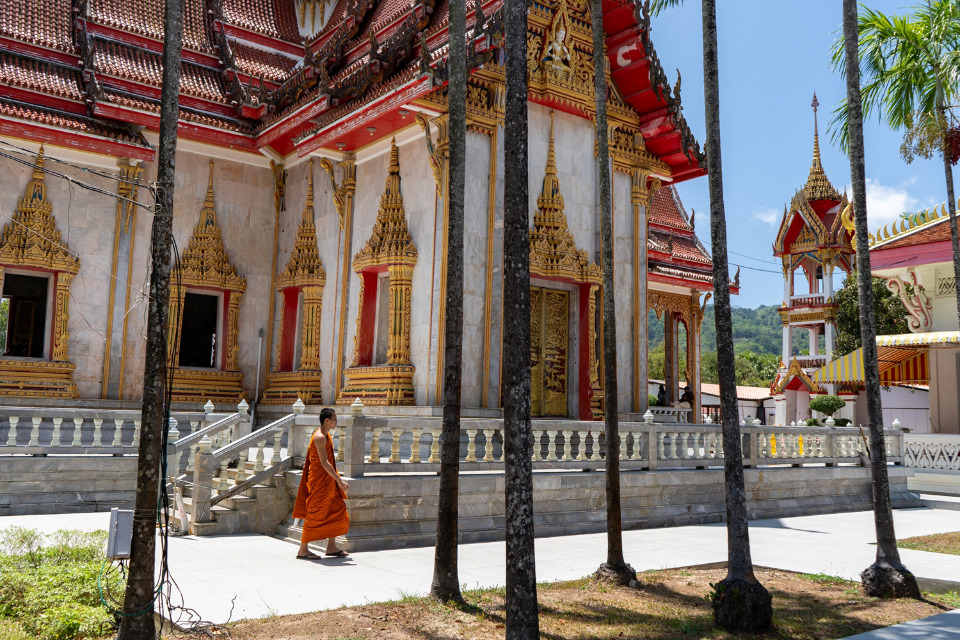
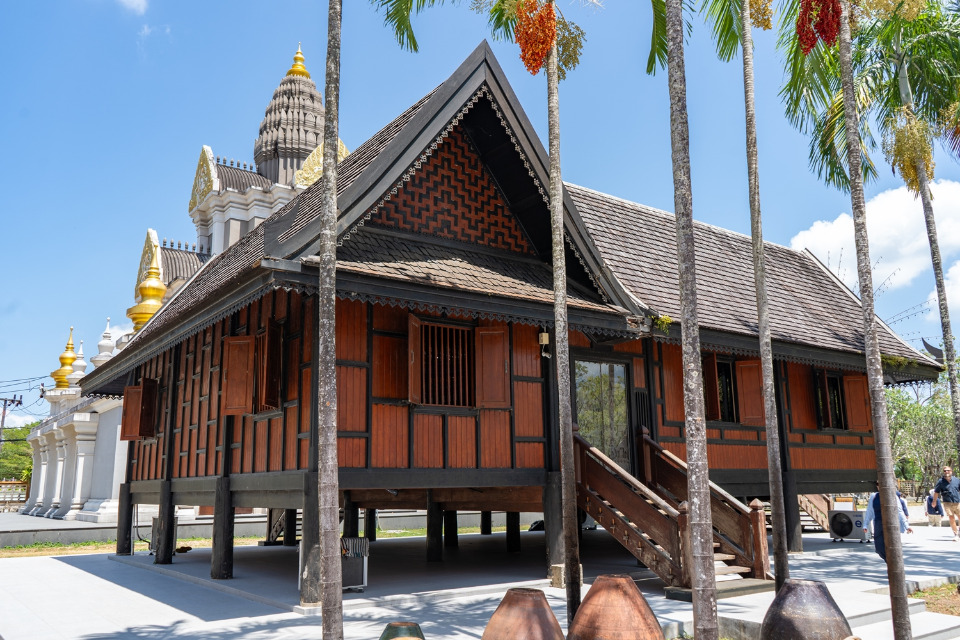
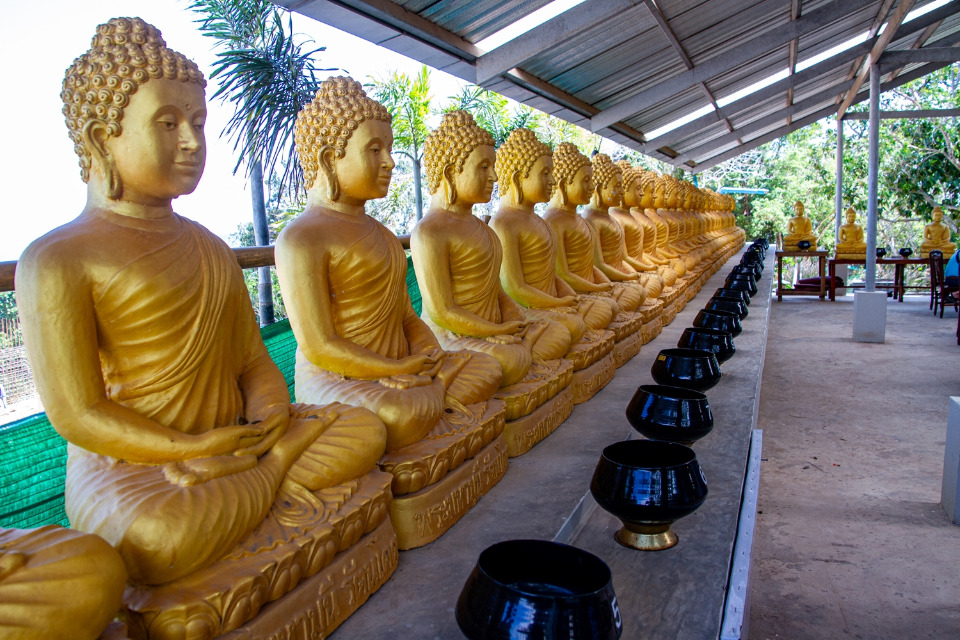
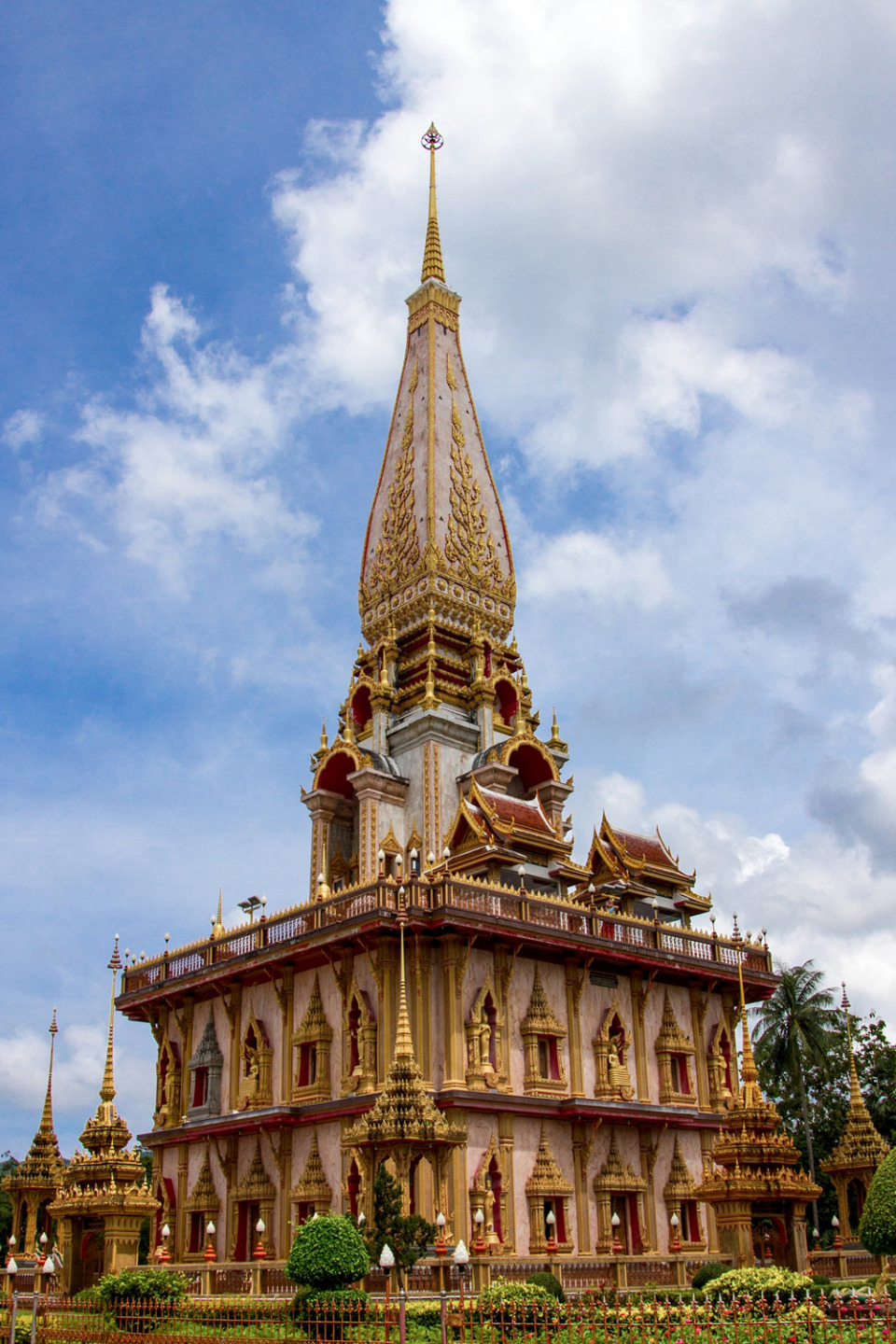 Wat Chalong
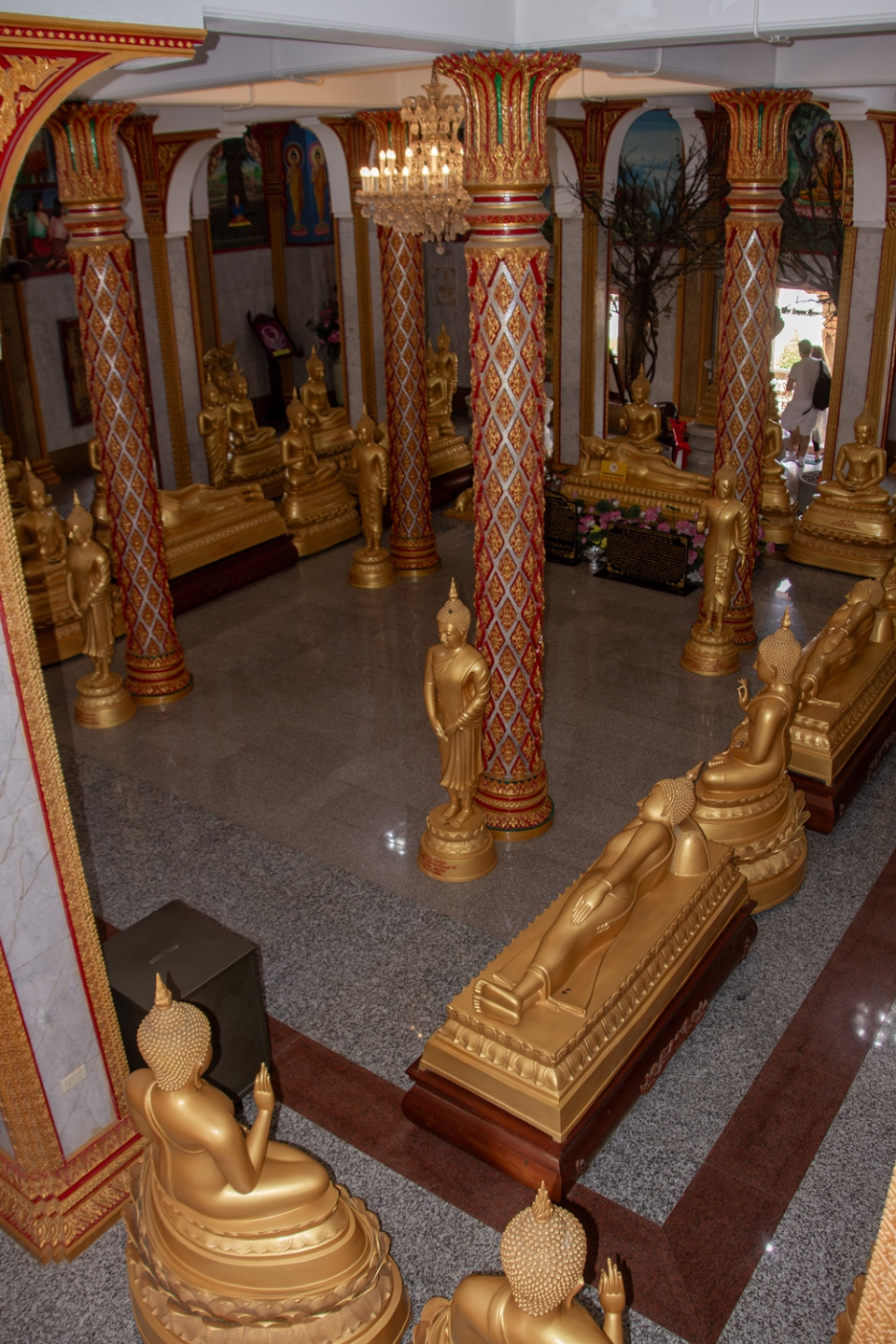 Wat Chalong
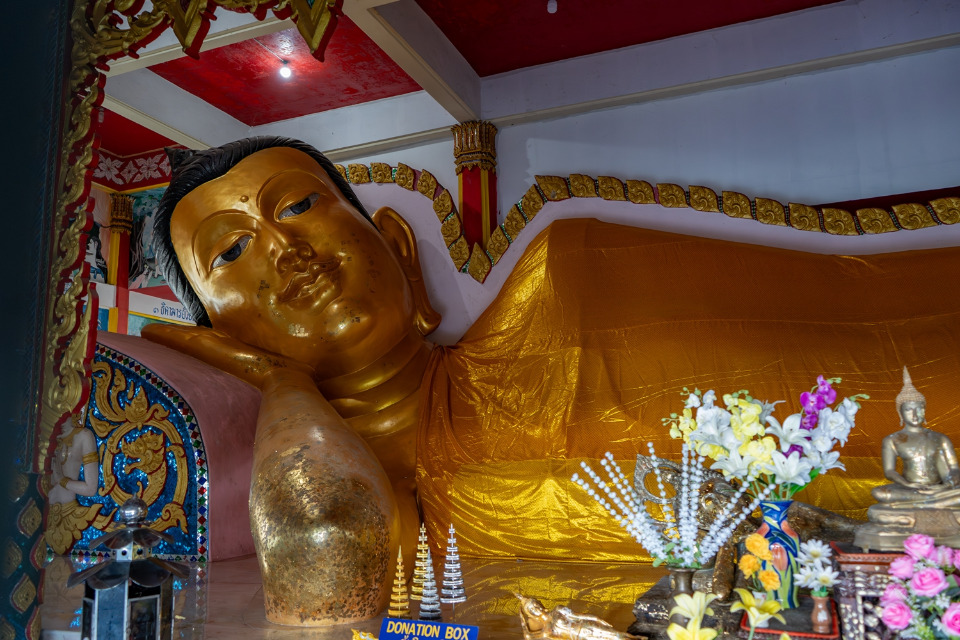
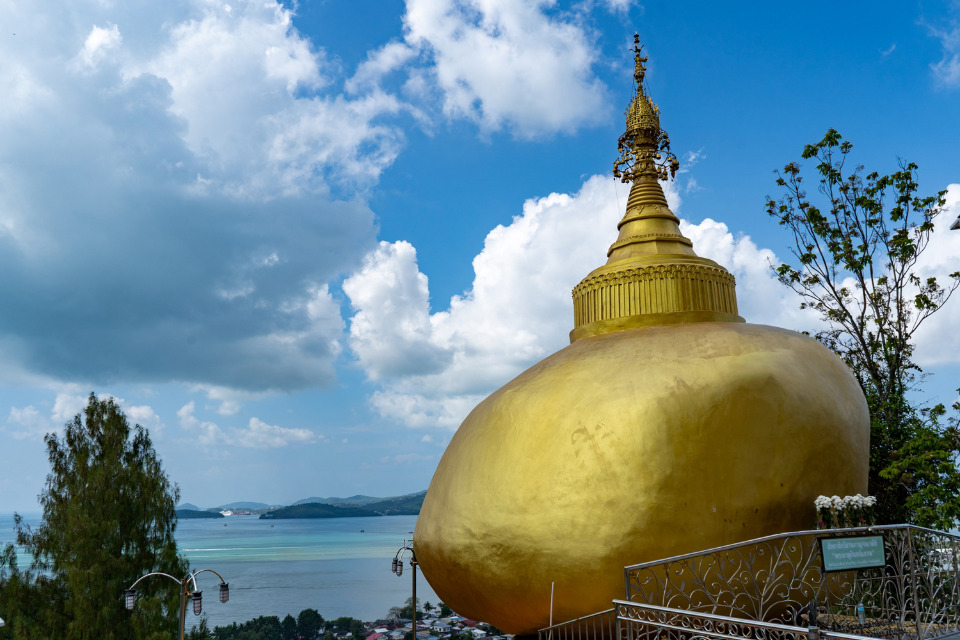 Wat Ban Koh Sirey
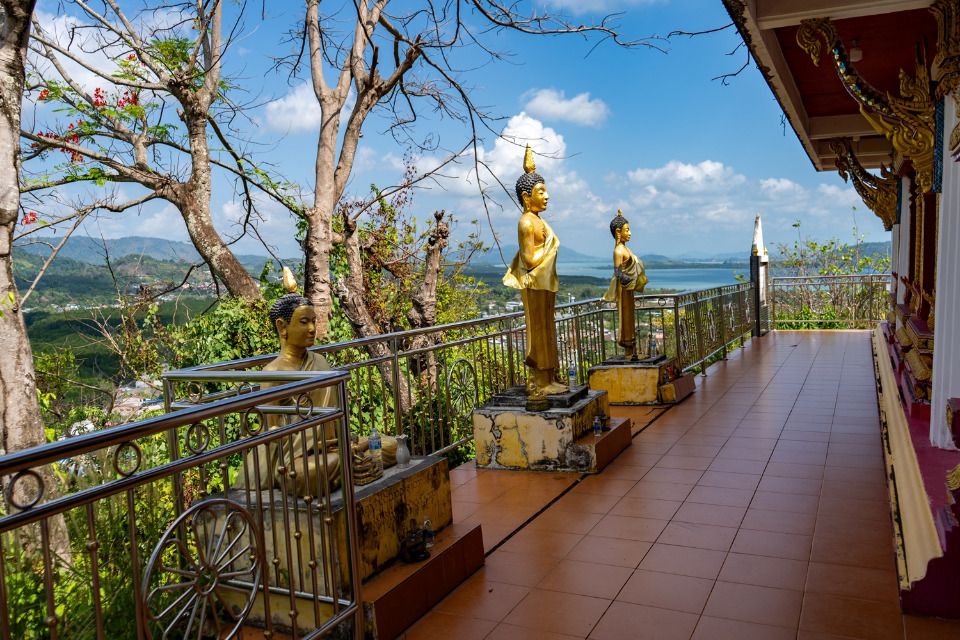 Wat Ban Koh Sirey
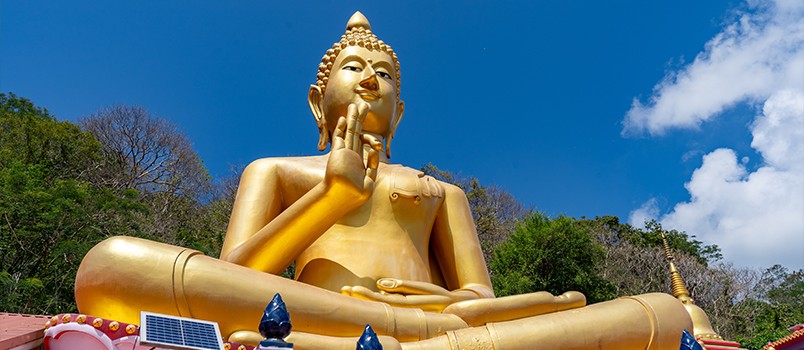
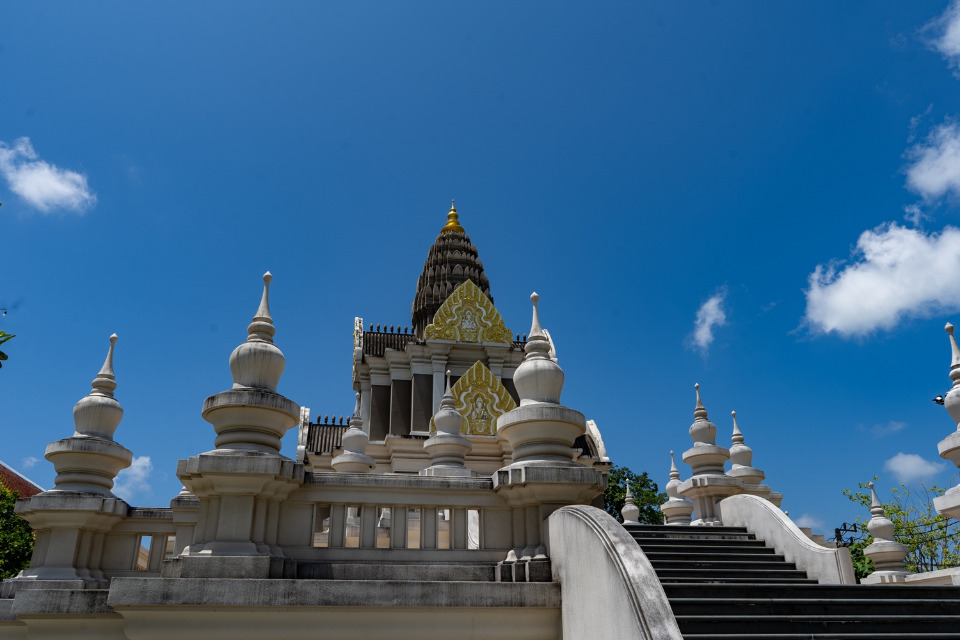
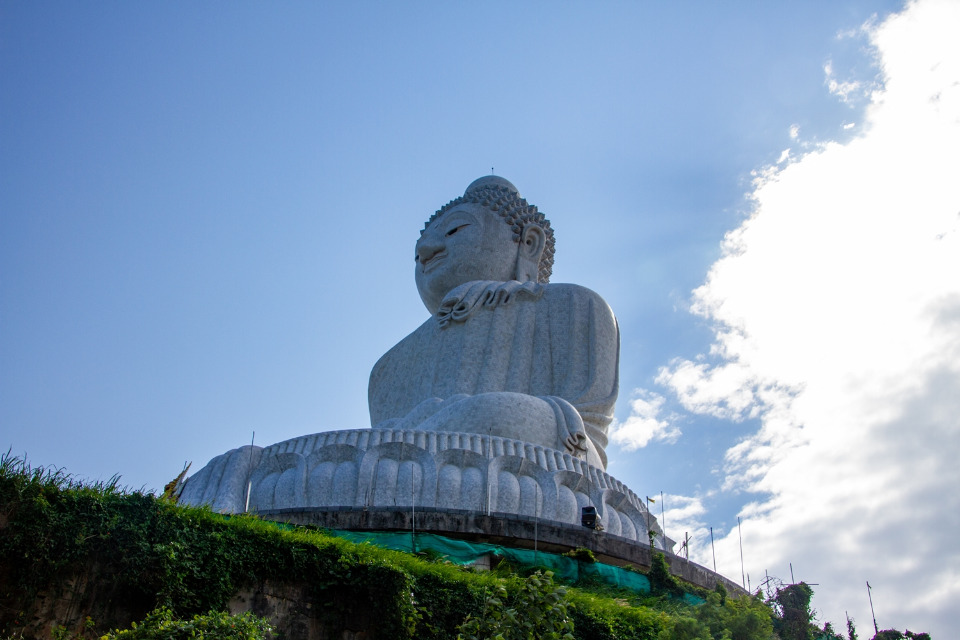
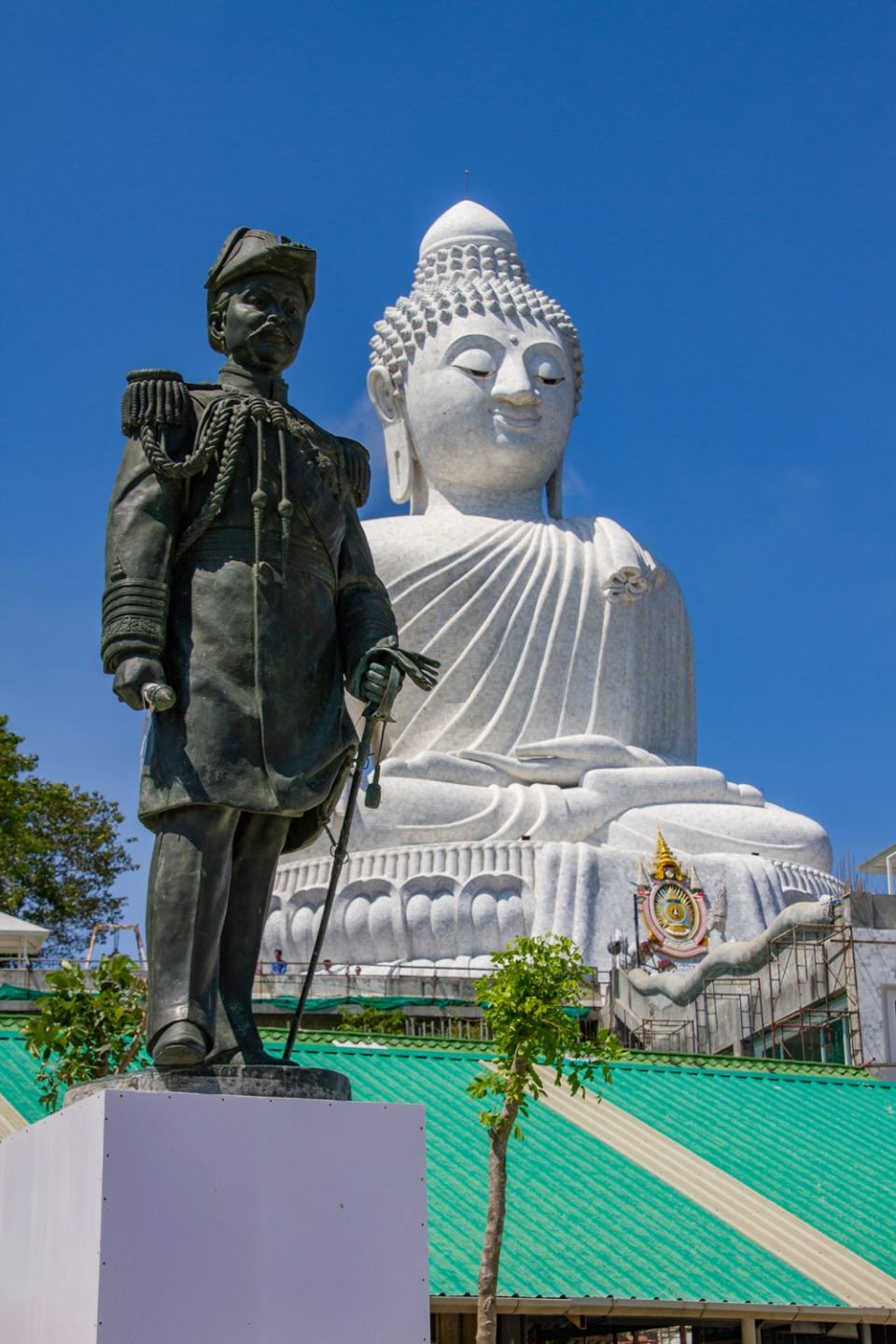
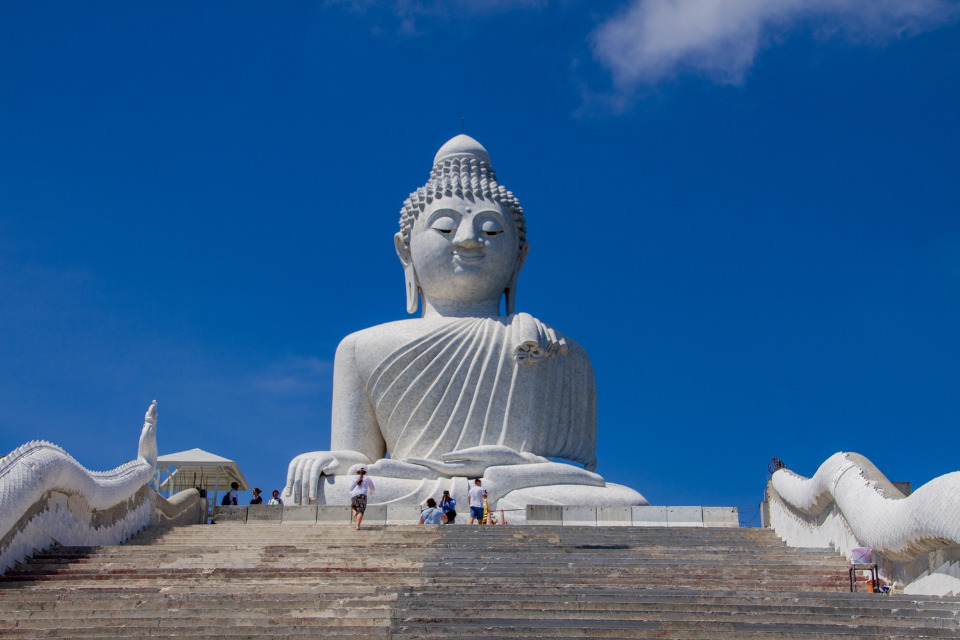 Big Buddha
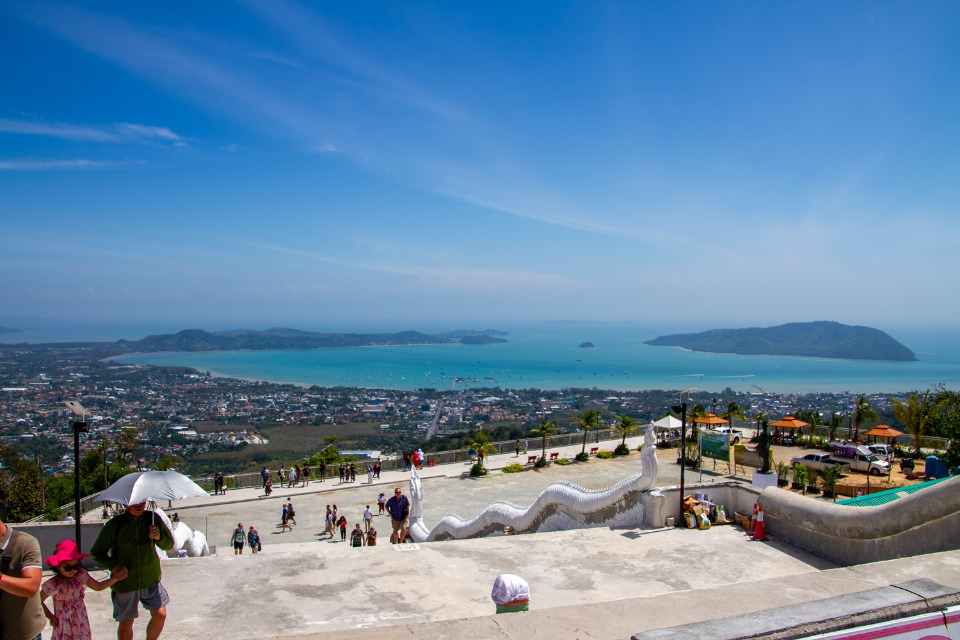 Big Buddha
At first light, before the beaches stir and the long-tail boats idle into the Andaman, Phuket belongs to the sound of brooms.
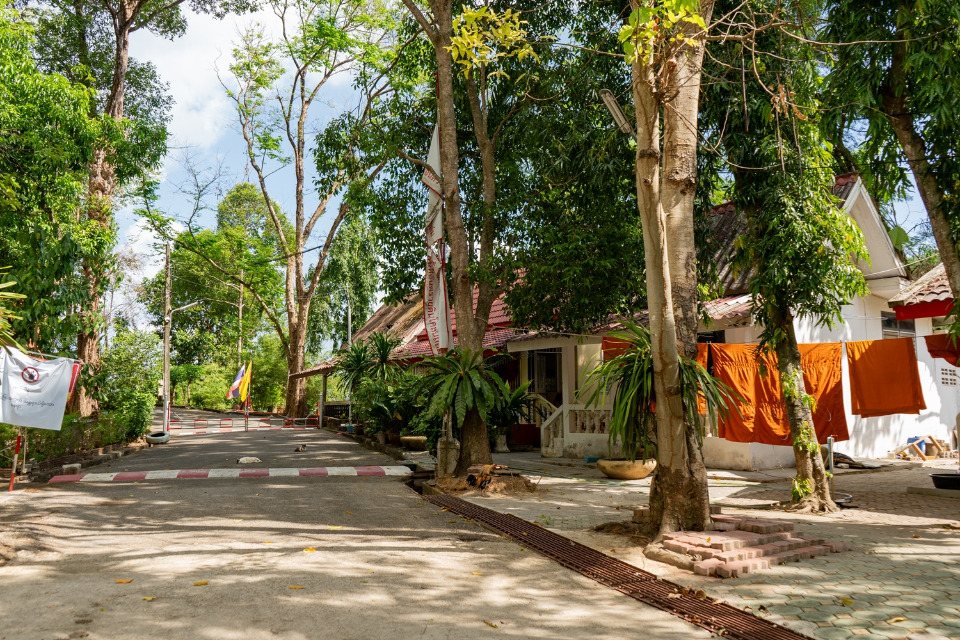
A monk sweeps the courtyard of a northern temple in steady arcs. Incense smoke lifts into warm air. Gold leaf catches the early sun. Beyond the walls, traffic gathers and shop shutters rise, but inside the compound, the rhythm is older, measured and continuous.
Phuket is often introduced to the world through its coastline. Yet long before tourism reshaped the island’s economy, its identity was formed in temple courtyards, monastic halls and the quiet architecture of Theravada Buddhism.
This is not an island of a single story. For centuries, Phuket – historically known as Thalang – has been a maritime crossroads. Thai Buddhists, Chinese migrants, Malay-Muslim fishing communities and sea nomad groups have lived side by side, drawn by trade routes and later by tin wealth. Within that plural landscape, Buddhist temples became stabilising civic frameworks: schools, refuge sites, administrative centres and, at moments of crisis, headquarters.
To understand Phuket beyond the postcard, one must begin in its temples.
The Ancient North: Foundations of Thalang
In the north of the island stand three temples that anchor Phuket’s historical memory: Wat Phra Nang Sang, Wat Phra Thong and Wat Sri Sunthon.
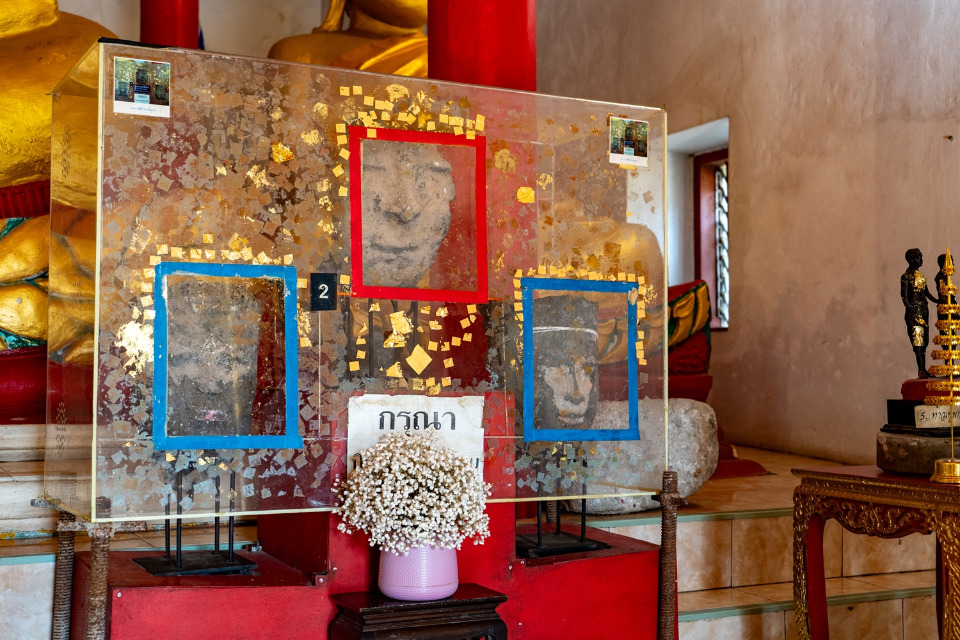
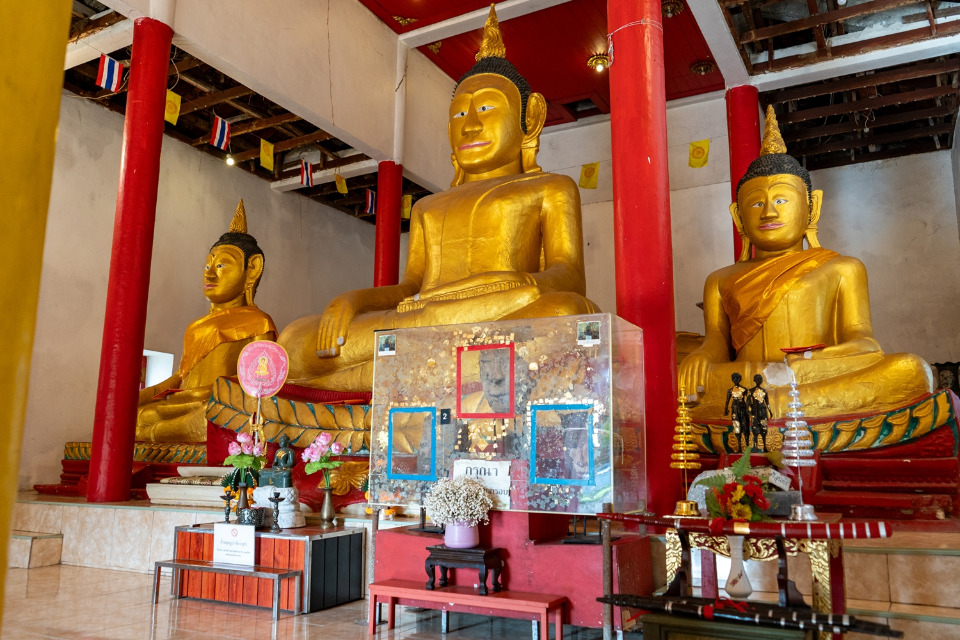
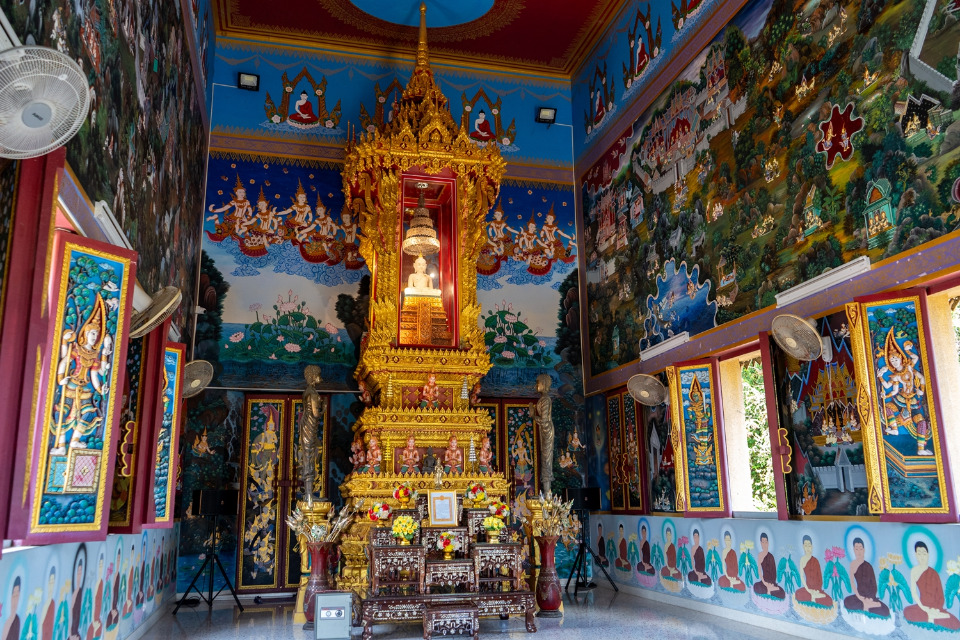
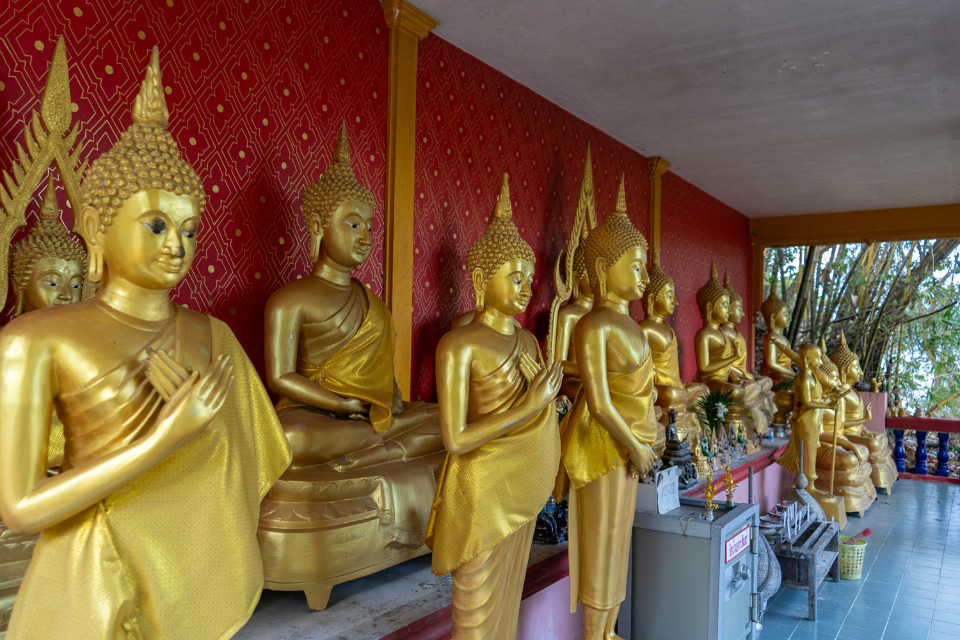
Wat Phra Nang Sang is widely regarded as Phuket’s oldest surviving temple structure. Its proportions are modest, its surfaces weathered. The main hall feels accumulated rather than designed, with layers of paint, generations of restoration and statues placed across decades. Inside, three revered Buddha images with tin cores reflect the mineral that transformed the island’s fortunes. Tin was once more valuable to Phuket than gold; the metal financed infrastructure, migration and social change. In this temple, economic history is literally embedded in devotional art.
During the Burmese invasion of 1785, Wat Phra Nang Sang served as a strategic refuge and organisational point for local resistance. The temple was not a passive monument; it was part of the island’s defence. Its architecture still carries that weight.
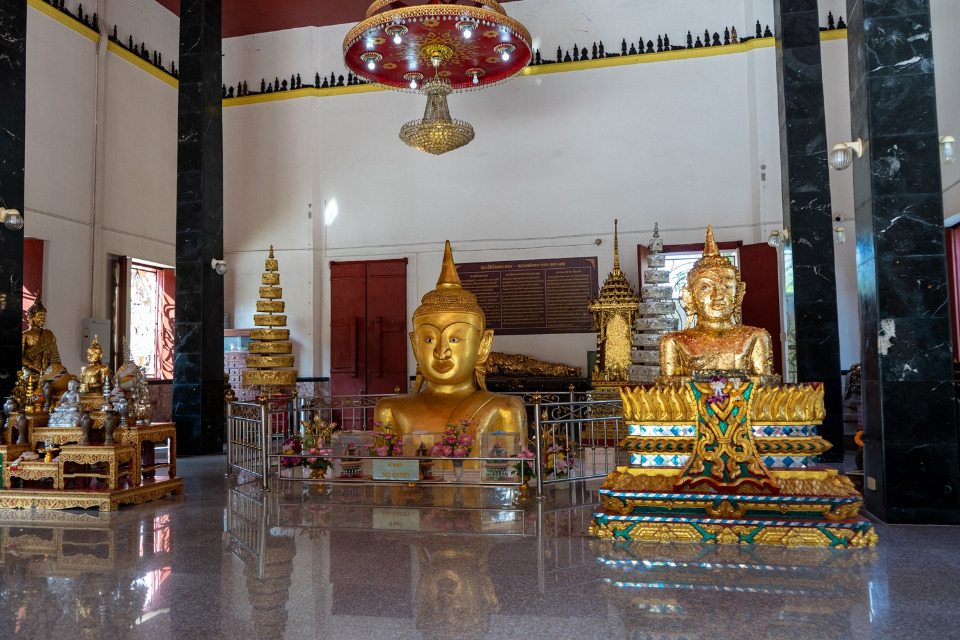
A short drive away, Wat Phra Thong holds one of Phuket’s most enduring legends. In the centre of the hall stands the upper portion of a Buddha image emerging from the ground, the half-buried Buddha. Local lore warns that attempts to excavate the full statue brought misfortune. Whether taken as legend or metaphor, the image has come to signify restraint: the sacred reveals only what it will.
The hall is dim, lantern light reflecting off gold leaf. Devotees kneel before a form that is present yet incomplete, an architectural lesson in suggestion rather than spectacle.
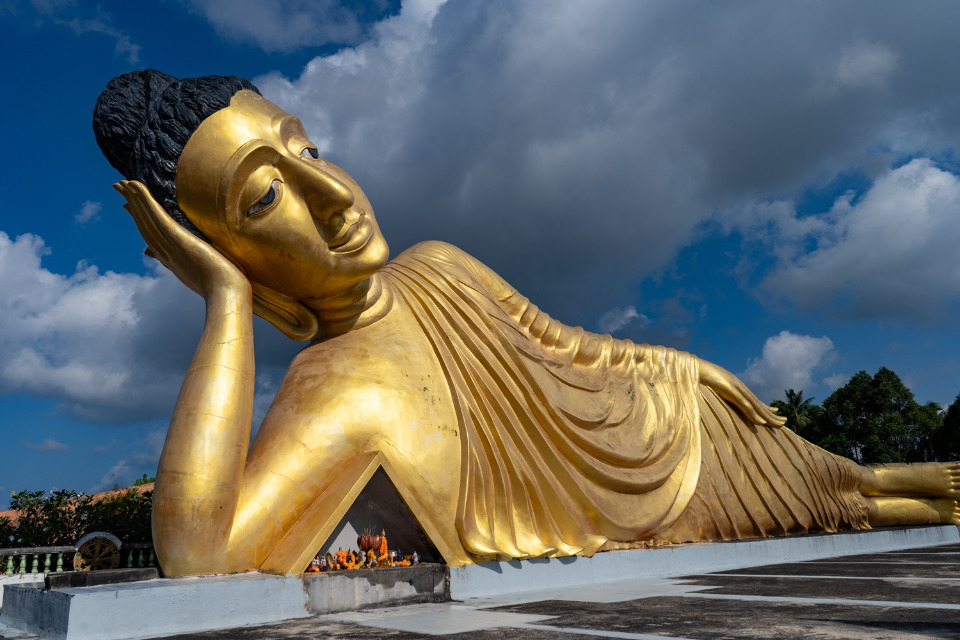
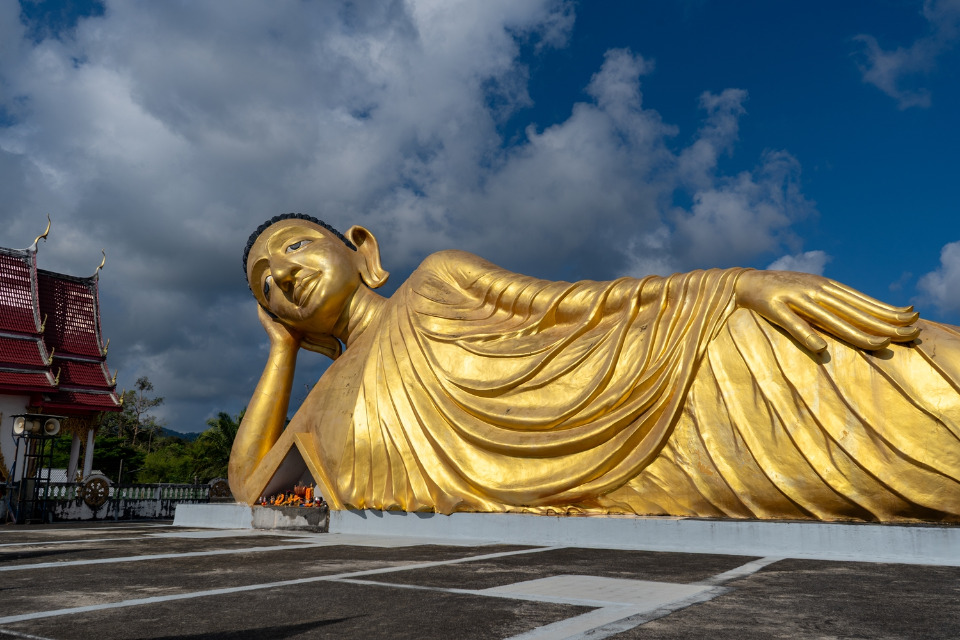
Nearby, Wat Sri Sunthon rises into view. Above the temple, a 29-metre-long golden Buddha reclines in the posture of Mahaparinirvana, the final passing into complete release. The statue overlooks the plains of Thalang, a landscape once defined by conflict and tin extraction, now by roads and development. From a distance, the reclining form reads as both guardian and reminder: impermanence governs all things.
Together, these three northern temples speak of origin, defence, trade, faith and continuity.
Urban Convergence: Buddhism in a Trading Town
As Phuket’s tin economy expanded in the 19th century, Chinese Hokkien migrants arrived in large numbers. Their influence reshaped architecture, commerce and social organisation, particularly in what is now Phuket Old Town. Shophouses in pastel tones, decorative facades and courtyard layouts reflect the Sino-Portuguese style.
Within this evolving urban environment, Theravada Buddhist temples did not retreat. They adapted.
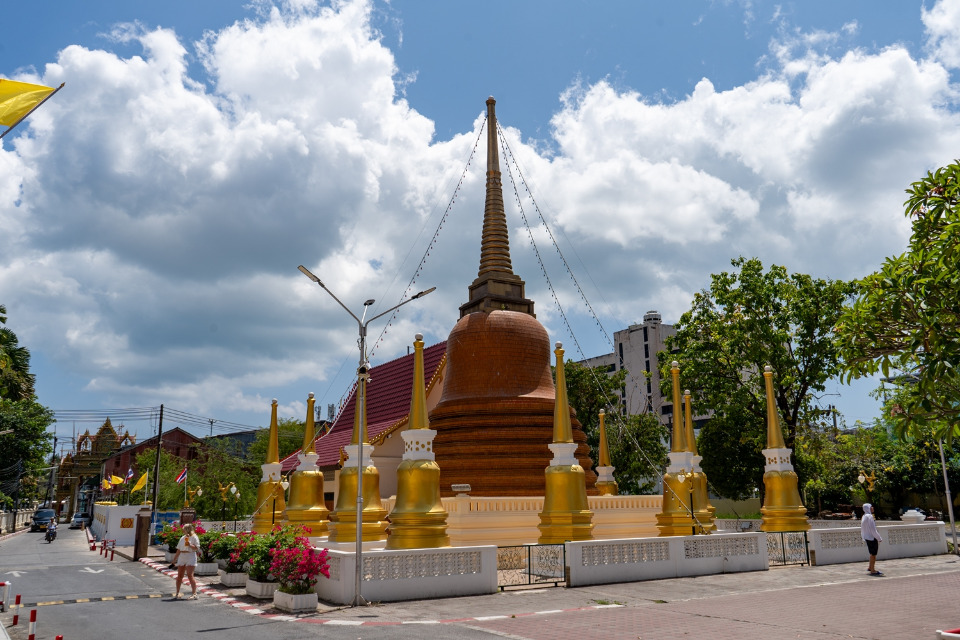
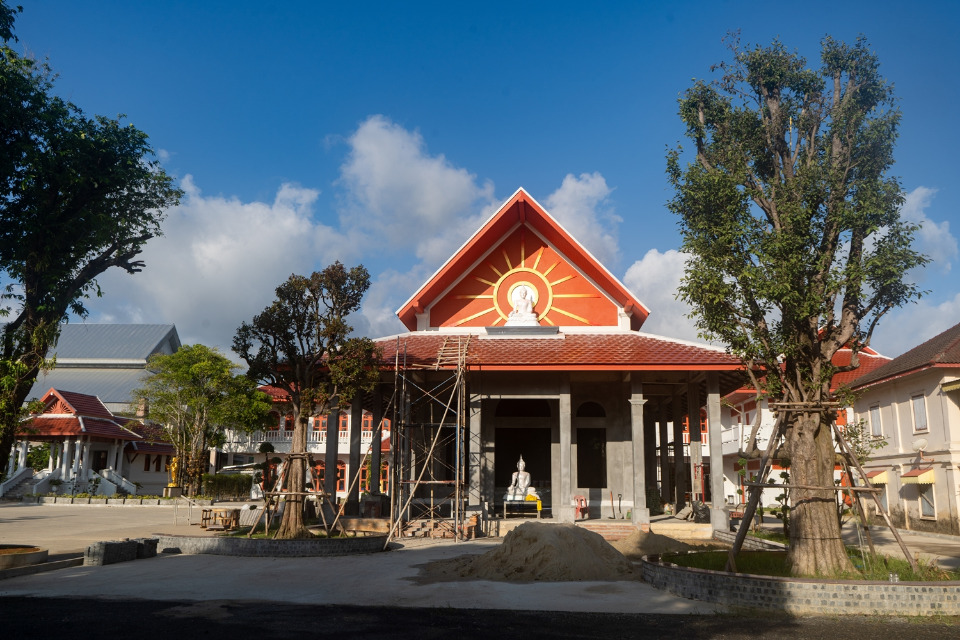
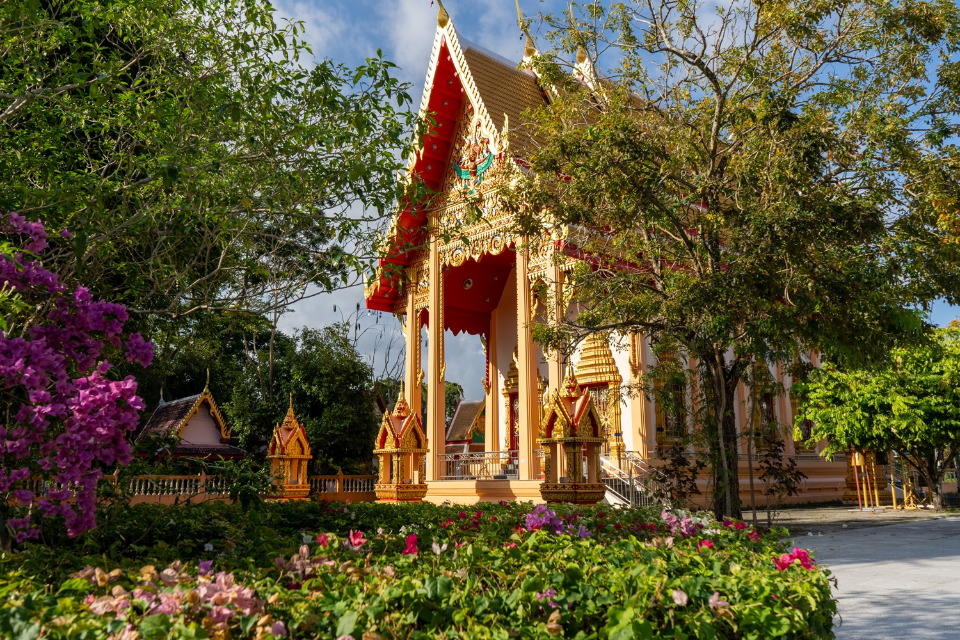
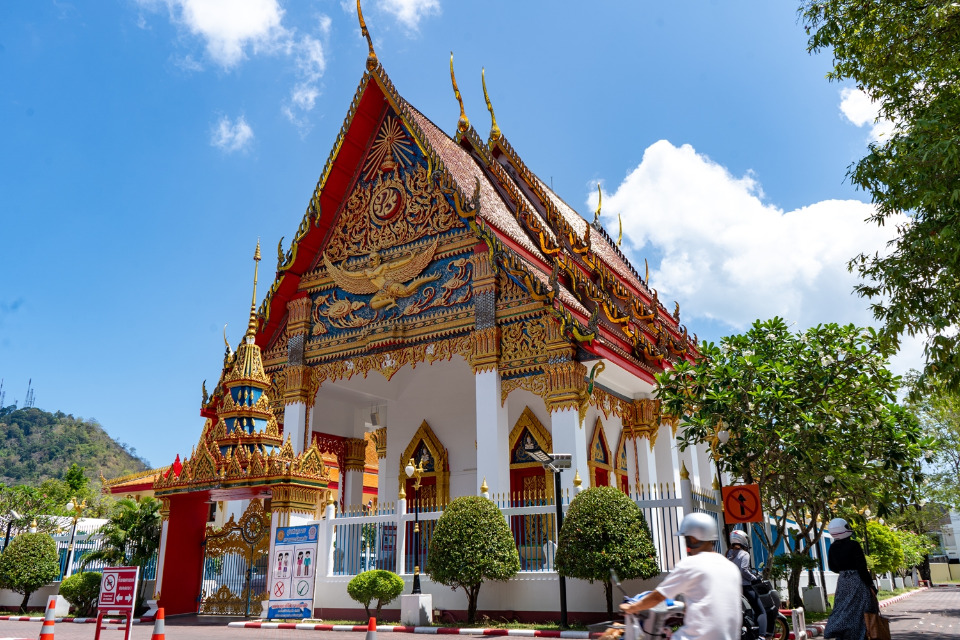
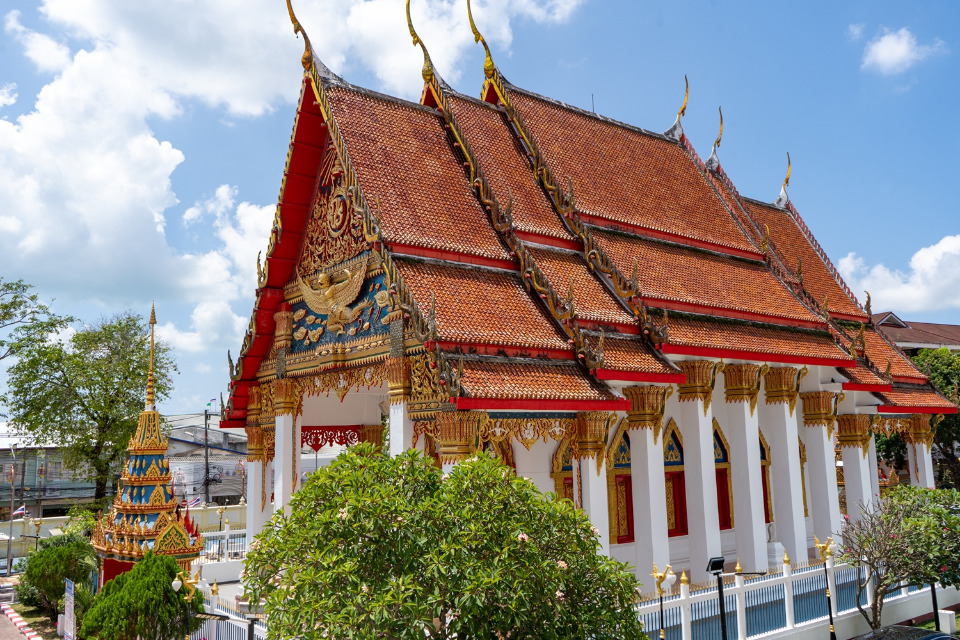
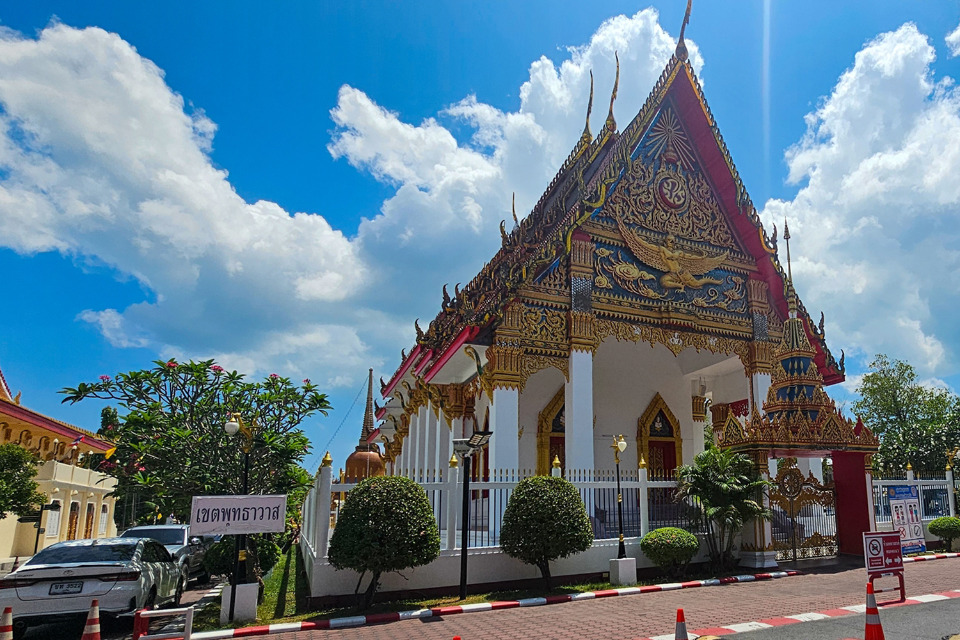
Wat Mongkhon Nimit stands at the heart of Phuket Town as the island’s Royal Temple (Phra Aram Luang). Originally established as Wat Klang in the late 19th century, it was elevated to the status of a Royal Temple in 1953. Its grounds are orderly, its lines more formal. Here, civic ceremonies and monastic administration converge. Step outside its gates, and the geometry of Old Town resumes, with cafés, heritage buildings, electrical cables and traffic.
The temple is not isolated from the city; it is embedded within it. Rooflines echo above Sino-Portuguese facades. The sacred and the commercial share a skyline.
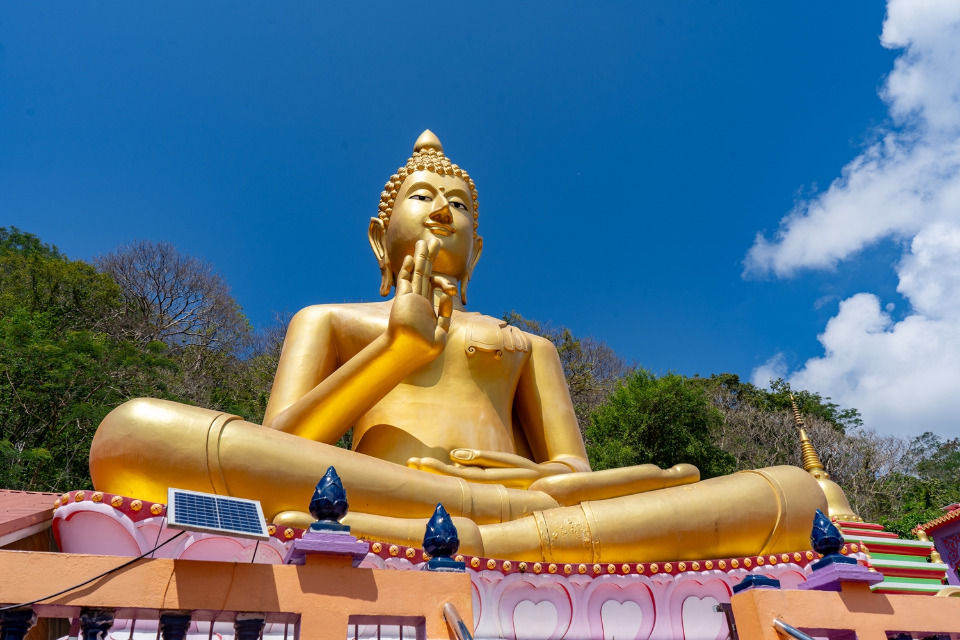
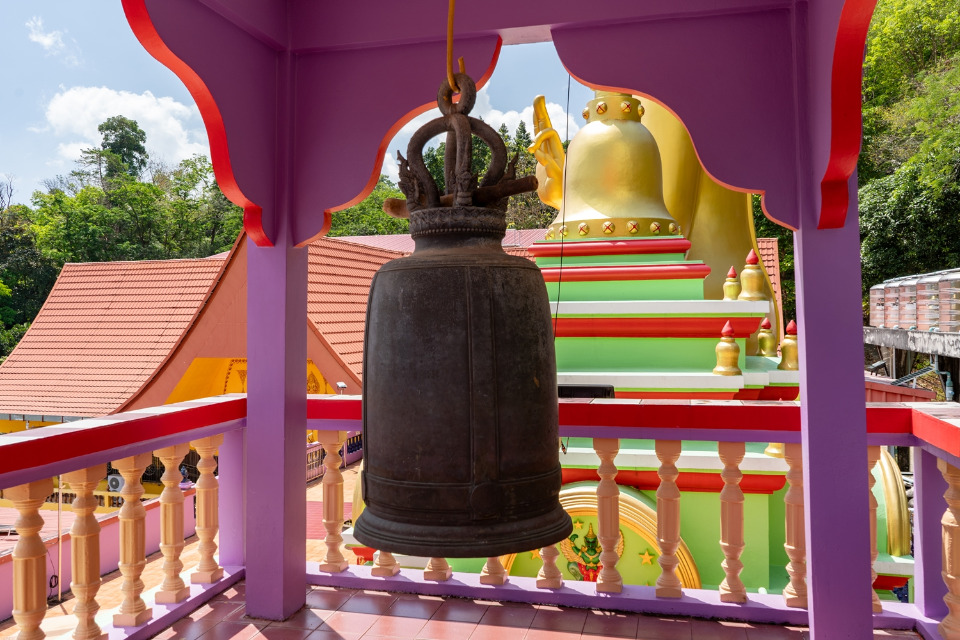
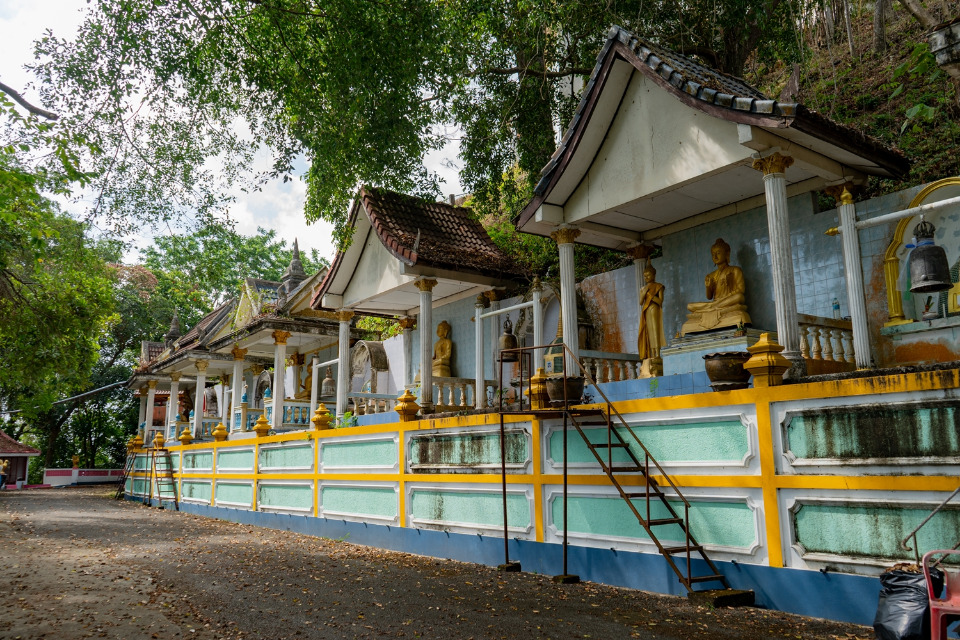
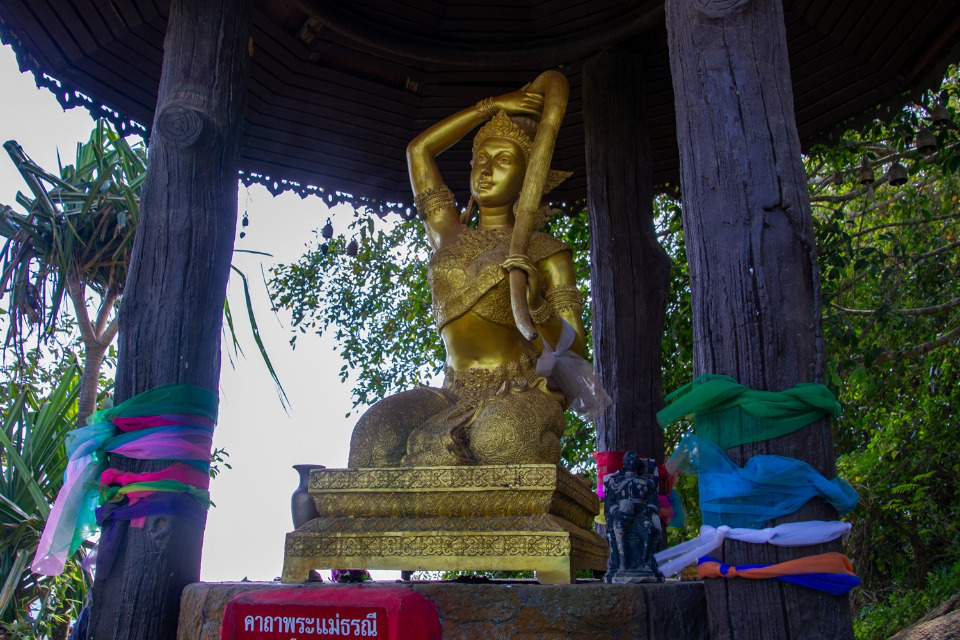
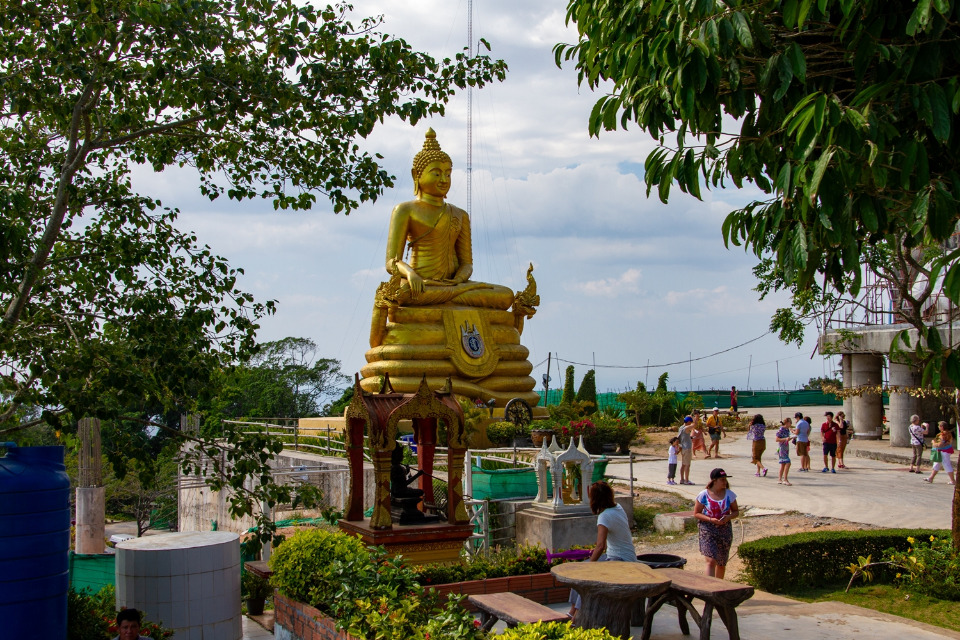
Further up the hill, Wat Khao Rang Samakkhitham sits atop a hill overlooking Phuket Town. Before the marble Big Buddha was constructed in the south, this temple’s seated golden Buddha was the island’s most visible monumental image. From its terrace, the city stretches outward, a mosaic of markets, mosques, shrines and homes.
The symbolism is quiet but clear: contemplation above density. Buddhism here does not dominate urban life; it observes it.
Spiritual Authority: The Heart of Devotion
No discussion of Phuket’s temples is complete without Wat Chalong, the island’s most revered religious site.
Dedicated to the monks Luang Pho Chaem and Luang Pho Chuang, Wat Chalong gained prominence during the 1876 Angyee rebellion, unrest linked to Chinese tin-miner labour groups. Historical accounts describe the temple functioning as a refuge and healing centre. The monks provided not only spiritual reassurance but civic leadership.
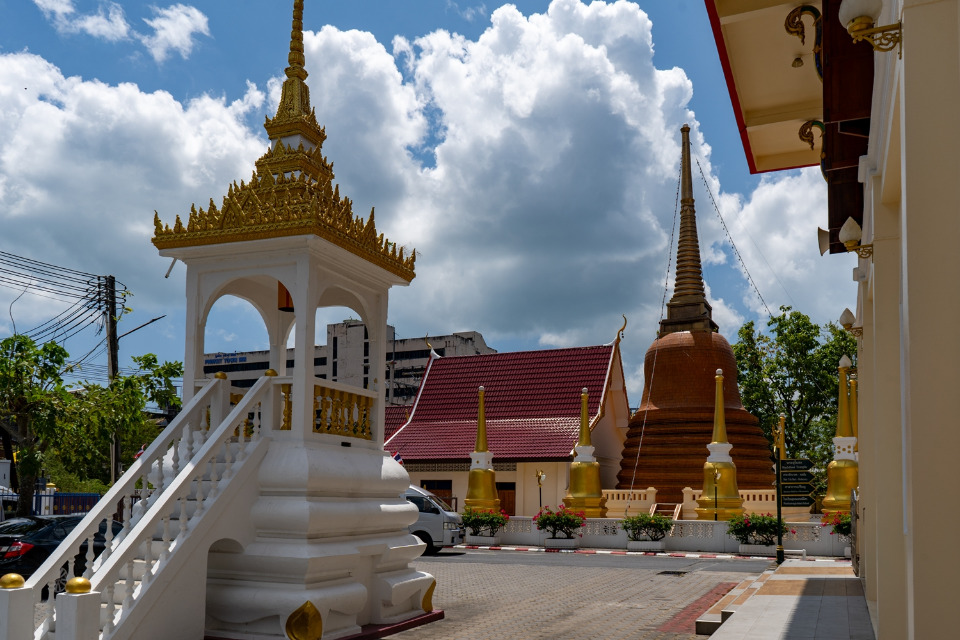
Today, the temple’s Phra Mahathat Chedi, which houses a Buddha relic, rises in white and gold above the complex. Devotees circle its base. Firecrackers crack in enclosed structures, their smoke drifting through the grounds in fulfillment of vows made and prayers answered.
Wat Chalong embodies active faith. It is rarely silent. Offerings accumulate; visitors light candles; monks move between halls. It is less about monumentality than continuity. Merit-making, tam bun, remains woven into daily life.
Coastal Continuity: Living Buddhism
Phuket’s temples are not confined to historic districts. Along the coast, faith adapts to contemporary rhythms.
Wat Ban Koh Sirey sits on a hill overlooking the eastern shoreline. Its reclining Buddha rests in a hall open to sea breezes and distant fishing activity. The location reflects the island’s maritime identity. Here, Buddhism meets horizon.
Further south, Phuket’s most recognisable Buddhist landmark rises above the island’s hills: the Big Buddha of Nakkerd Hill.
Constructed in white Burmese marble and visible from large parts of southern Phuket, the seated Buddha was conceived as a modern expression of faith rather than an ancient temple complex. From beaches in Karon and Kata, the figure appears suspended above the forested ridge, watching quietly over the Andaman coast.
In recent years, the site has been closed to visitors, leaving the monument to be experienced from a distance. From the roads below or from the beaches along the southern shoreline, the white figure remains visible against the sky, a constant presence even when access is restricted.
Seen this way, the Big Buddha becomes less a destination and more a visual anchor within the island’s landscape. It reminds travellers that Phuket’s spiritual architecture is not confined to historic monasteries alone but continues to evolve with each generation.
This is perhaps Phuket’s defining pattern: sacred space doubling as civic space.
Even in an era defined by tourism and global capital, the temples continue to function as neighbourhood anchors, hosting markets, ordinations and community rites that remain largely untouched by the island’s resort economy.
As this issiue of Window on Phuket went to print, the Big Buddha had just reopened to the public on a trial basis.
A Plural Island, A Shared Framework
Phuket’s spiritual geography is layered. Muslim fishing communities maintain mosques along the western and southern coasts. Chinese shrines dedicated to Taoist deities host vibrant festivals. Sea nomad traditions persist in pockets of the island.
This feature focuses on Theravada Buddhist temples because they form the most visible architectural constant across Phuket. Yet their endurance is best understood within a plural society.
Temples did not eliminate differences; they provided civic stability that allowed differences to persist. In a trading port shaped by migration, Buddhism offered a shared public vocabulary, merit, hierarchy and ritual order that enabled multiple communities to operate within relative stability.
Phuket’s peace was negotiated, not imposed.
The Architecture of Continuity
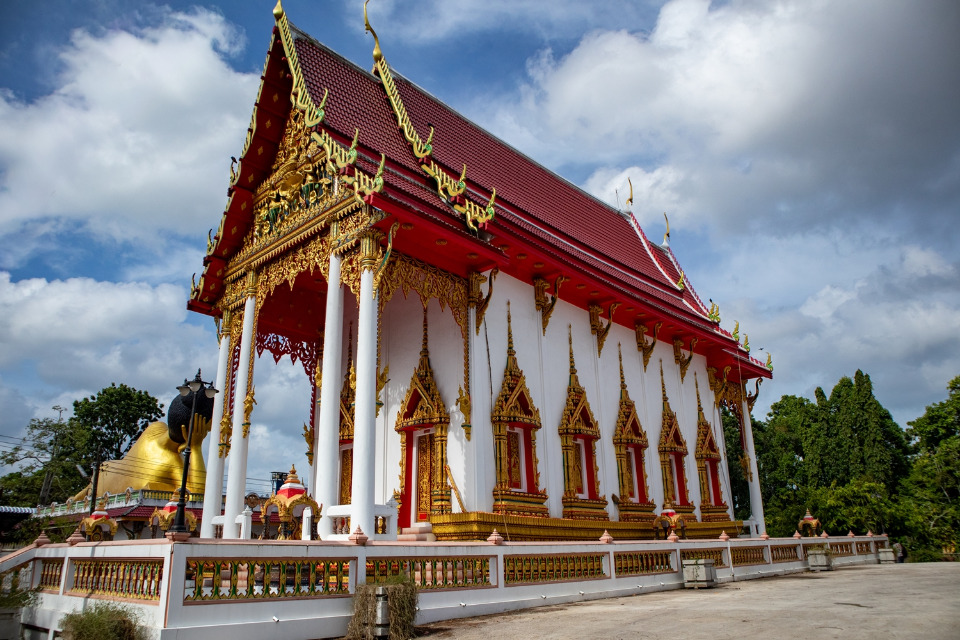
To photograph Phuket’s temples is to document more than gilded roofs and sculpted naga. It is to capture the island’s long negotiation between commerce and contemplation, migration and memory.
In cracked plaster and restored chedi tiles, one sees adaptation. In incense smoke drifting through open doors, one sees repetition. In monks sweeping courtyards before dawn, one sees discipline without spectacle.
Phuket is often described as a melting pot. A more precise description might be this: a maritime island where different cultures learned to occupy the same geography without erasing one another.
Its Buddhist temples are the clearest expression of that balance, steady, visible and architecturally anchored in time.
As evening light softens across gold surfaces and rooftops cut against a fading sky, the temples remain. Not as relics of the past, but as active frameworks in a living island.
Before the beaches, before the resorts, there were halls of prayer and courtyards of merit.
And at sunrise tomorrow, there will again be the sound of a broom.
by Mads D, Photographer & Explorer
Learn more about Mads D KamalaBeachEstate.com/mads-d




Visit our other website









 GO TO TOP