




Eternal [Kalpa]: How Thailand Biennale Phuket Rewrites Time in the City
 Thailand Biennale Phuket
 Thailand Biennale Phuket
 Thailand Biennale Phuket
 Thailand Biennale Phuket
 Thailand Biennale Phuket
 Thailand Biennale Phuket
 Thailand Biennale Phuket
 Thailand Biennale Phuket
Phuket has never operated on a single clock.
Trade, migration, monsoon cycles, ritual calendars, extraction economies and tourism seasons have each imposed their own tempo on the island, layering time rather than replacing it. In 2025, Thailand Biennale returns to Phuket not to resolve these rhythms into a unified narrative, but to make them visible.
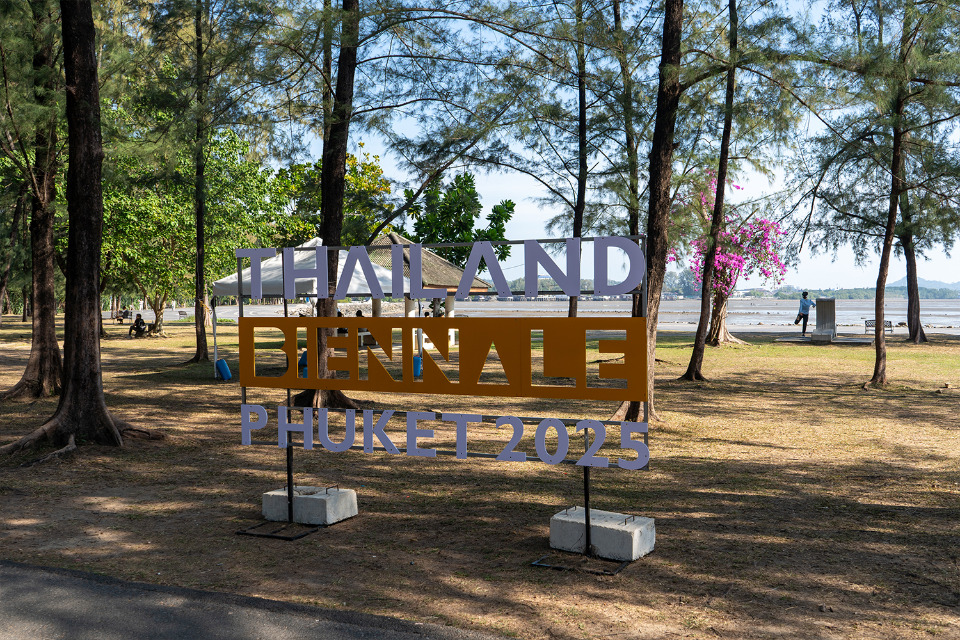
Thailand Biennale Phuket 2025 is open daily through 30 April across more than 19 venues in Phuket Town and surrounding areas, with free entry at most sites and complimentary shuttle services connecting key locations.
Under the theme Eternal [Kalpa], the Biennale unfolds across Phuket Town through a constellation of indoor venues and outdoor sites that treat time not as a linear progression, but as something cyclical, repetitive, and uneven – lived rather than measured.
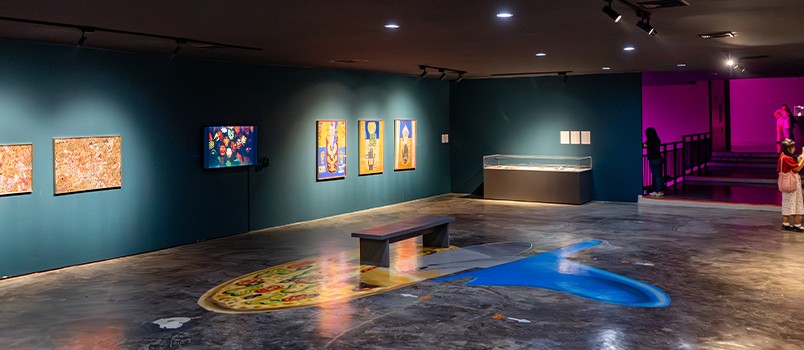
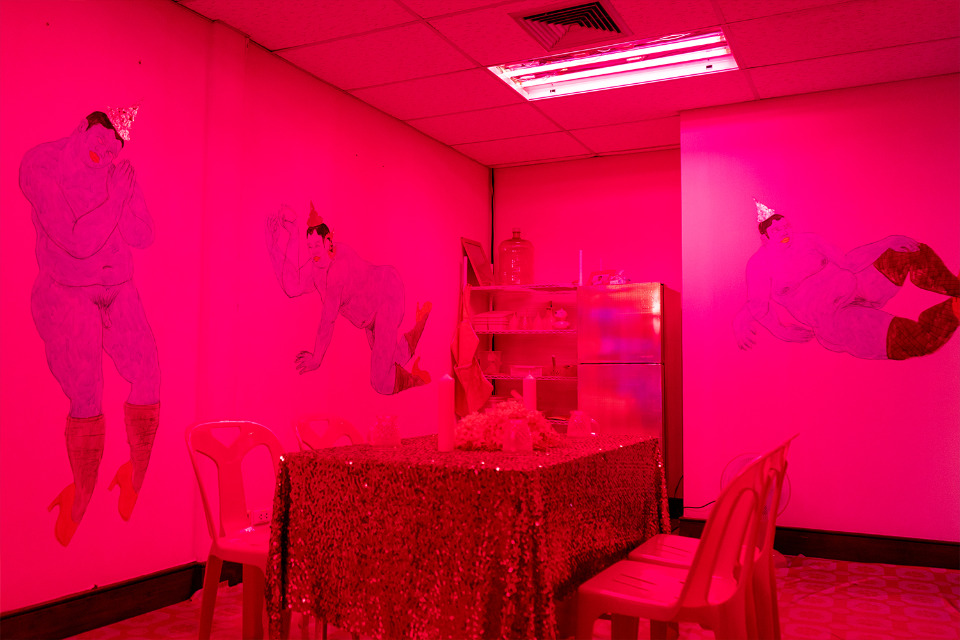
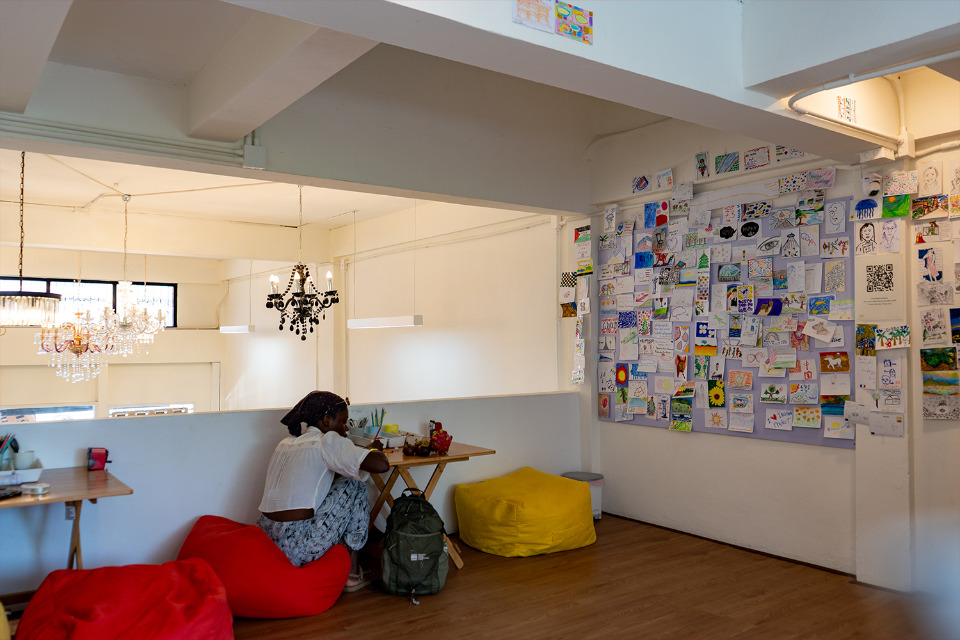
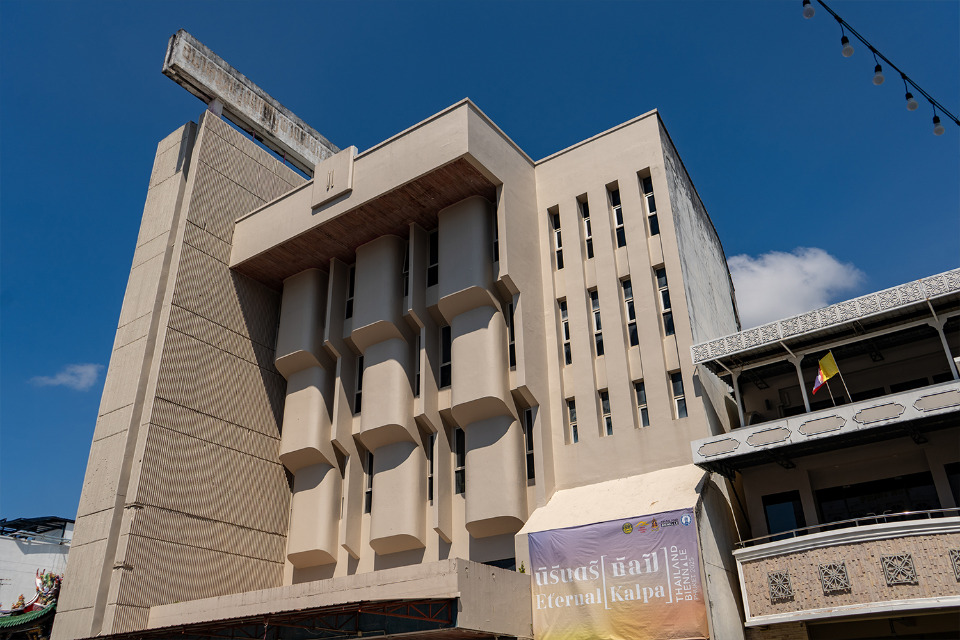
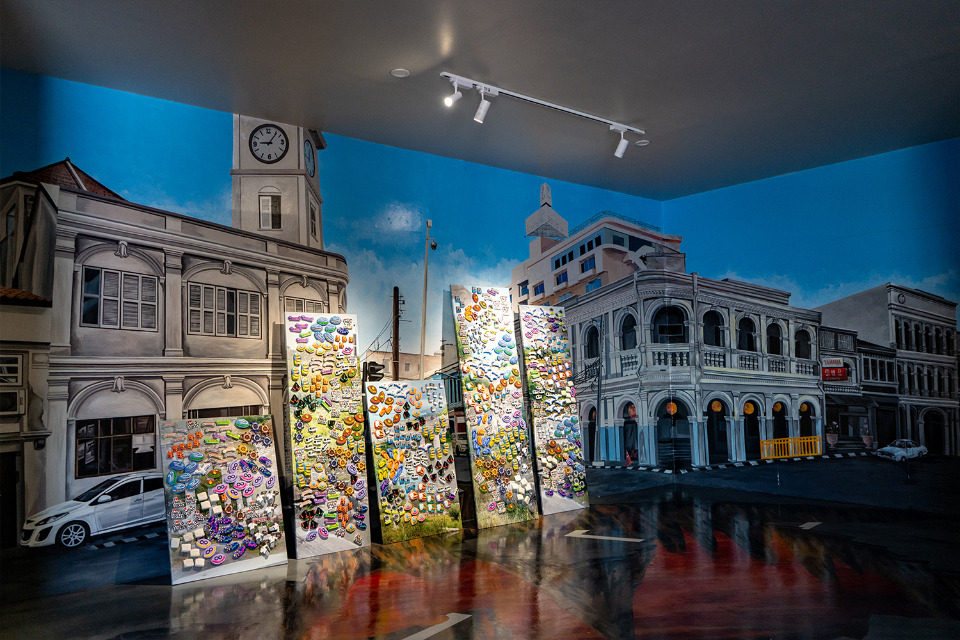
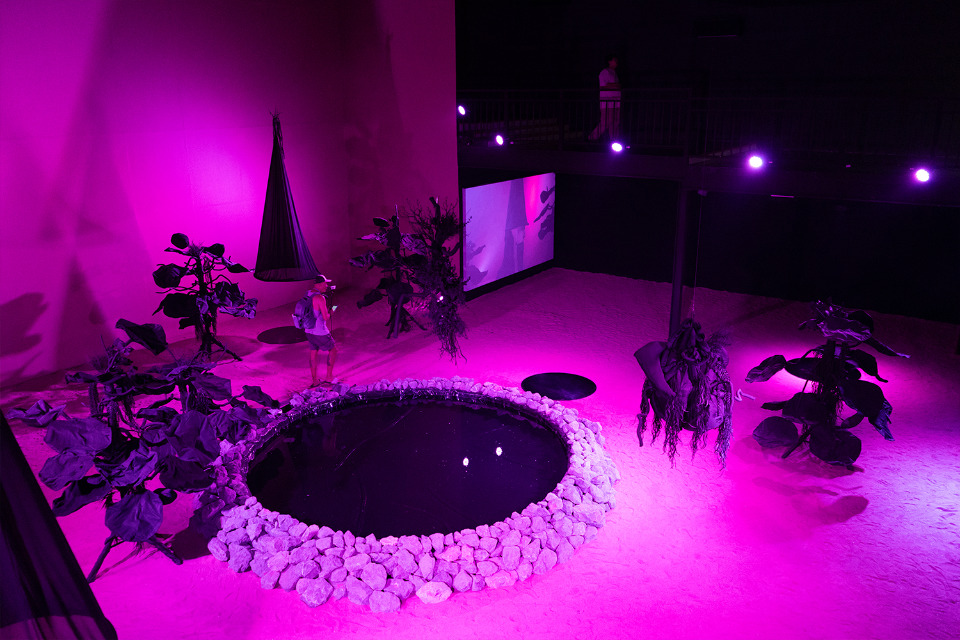
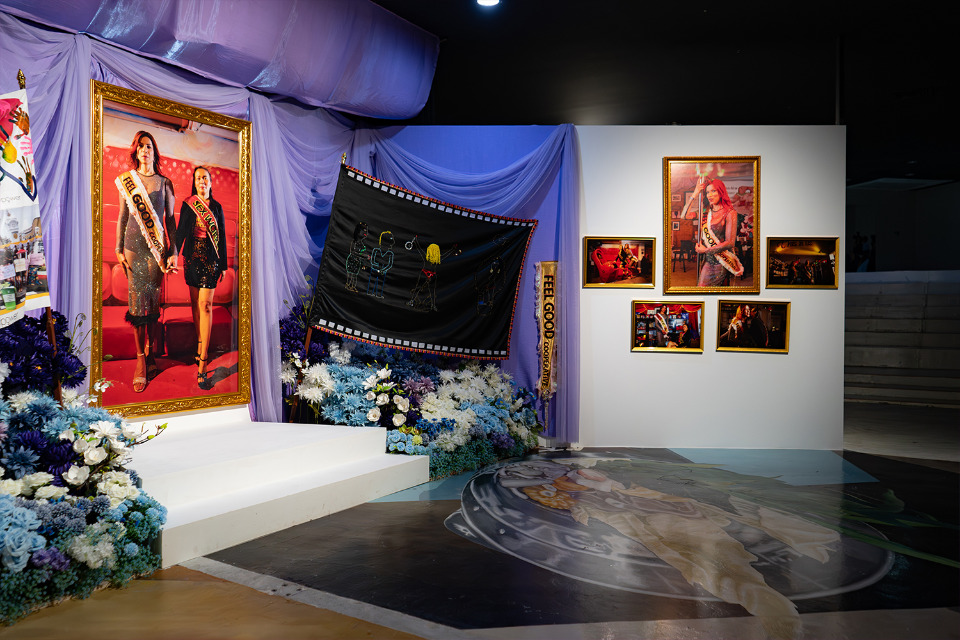
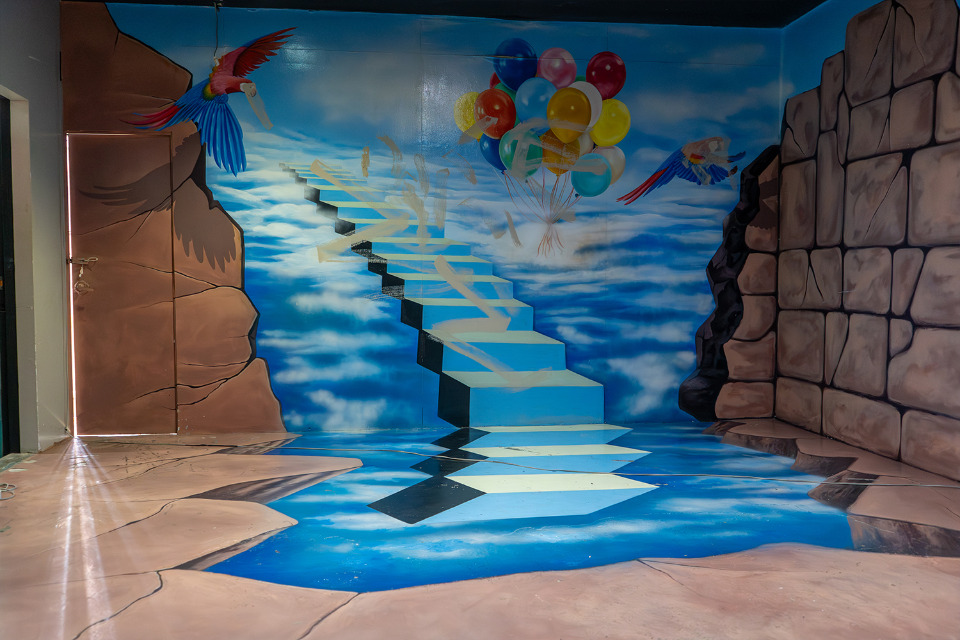
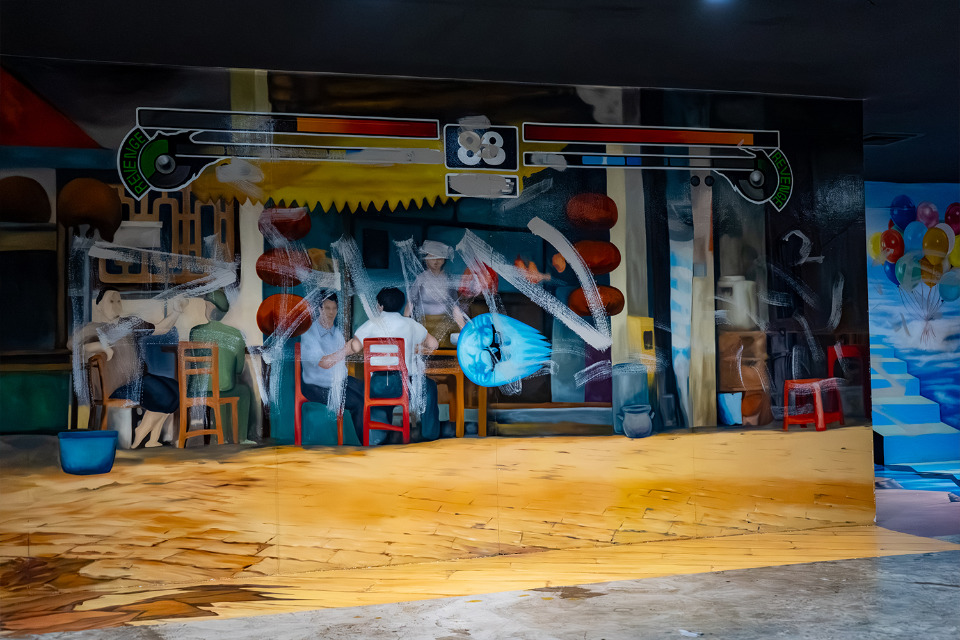
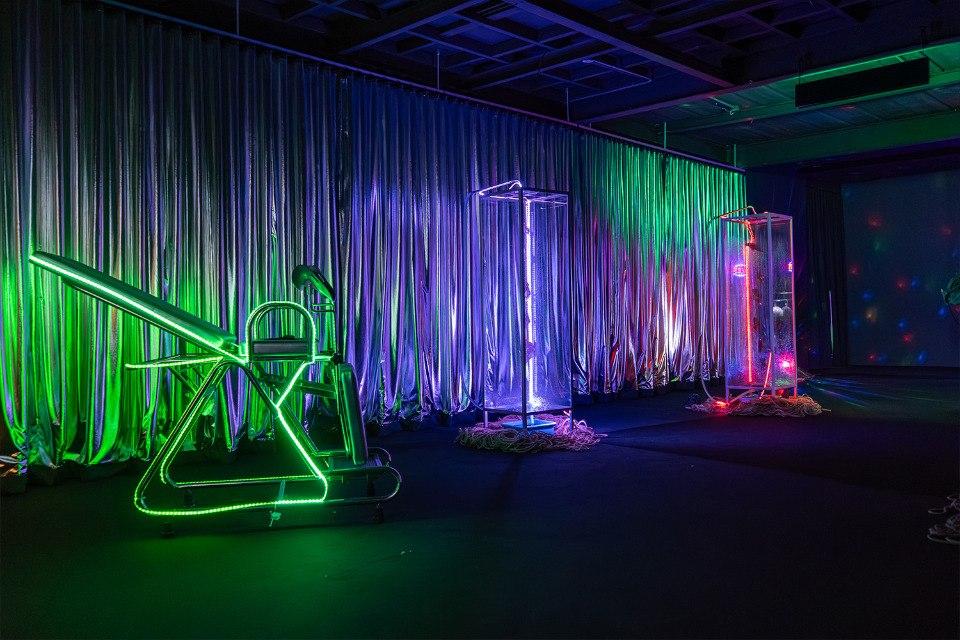
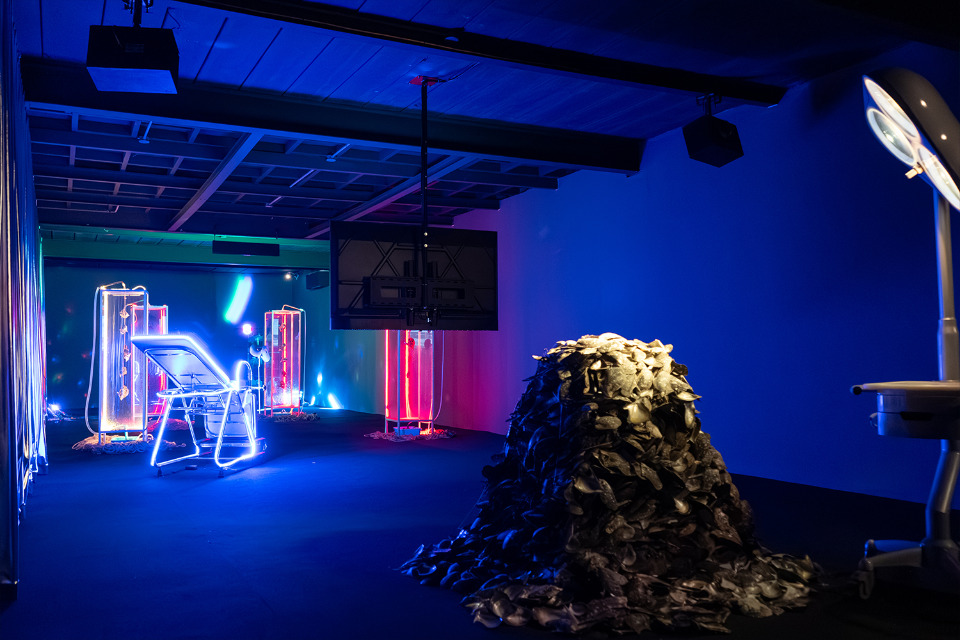
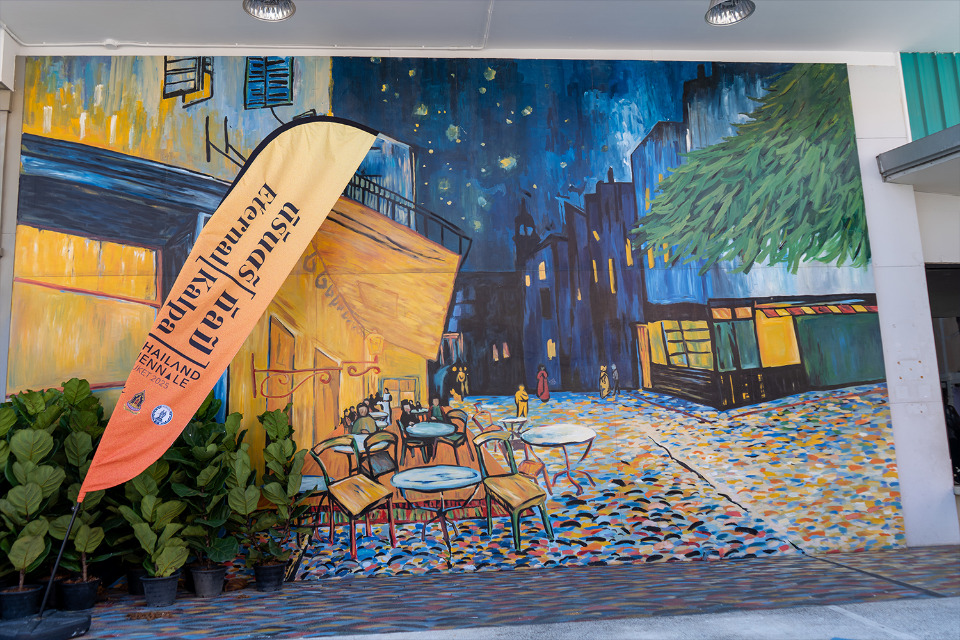
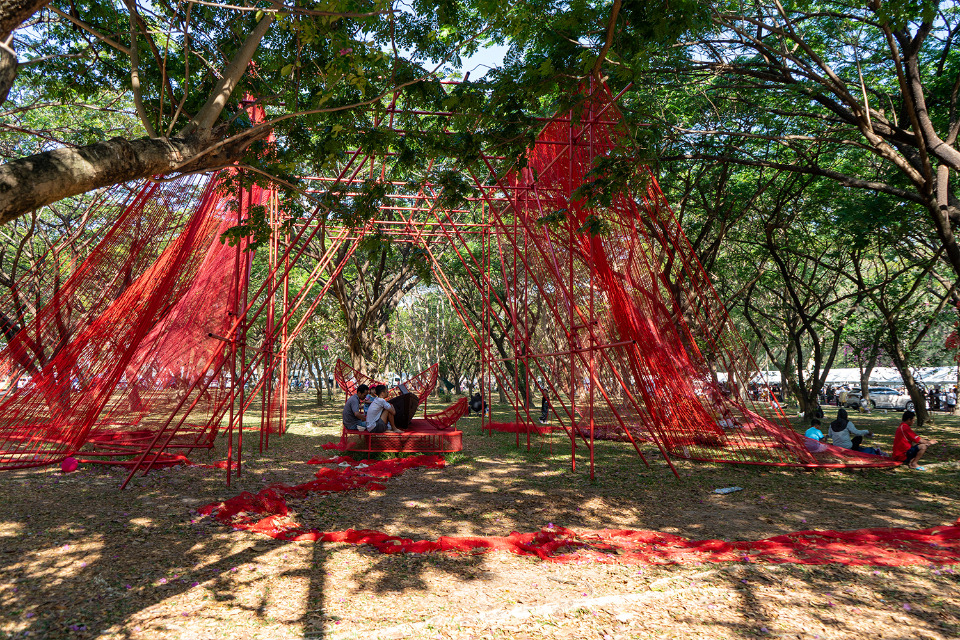
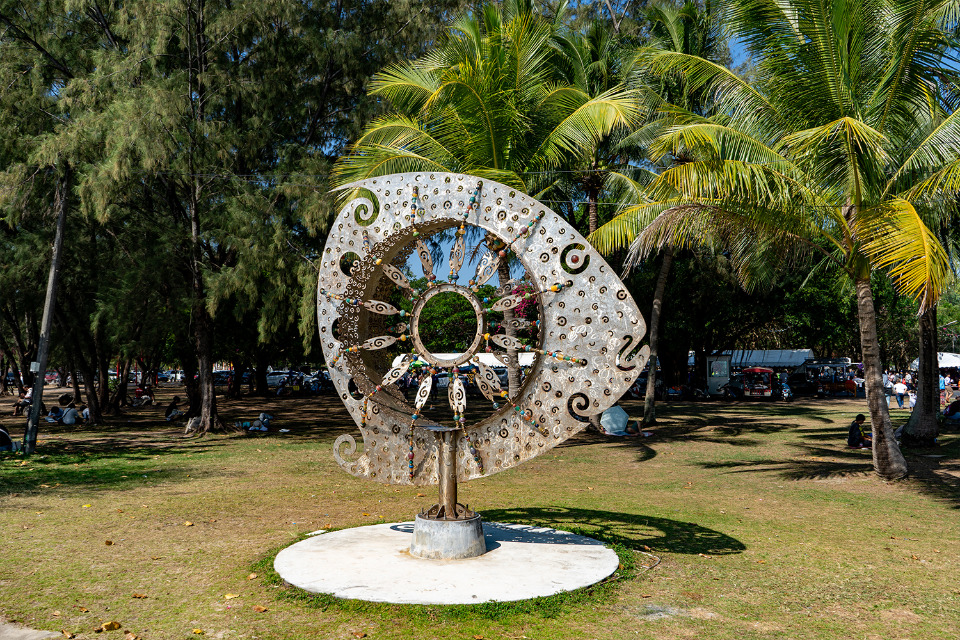
Instead of isolating contemporary art inside neutral white cubes, the Biennale embeds it within the city’s existing fabric. Former banks, cinemas, hotels, industrial spaces, parks, walkways and viewpoints become active components of the exhibition. The city does not merely host the Biennale; it becomes its medium.
While the Biennale’s wider scope engages ecological timescales, human nature entanglements, and long-term cosmic duration, in Phuket Town these concerns manifest most vividly through the city’s built environments and lived, urban rhythms.
Phuket Town as a Working Palimpsest
Phuket Town is not chosen for atmosphere alone. It is chosen because it refuses closure.
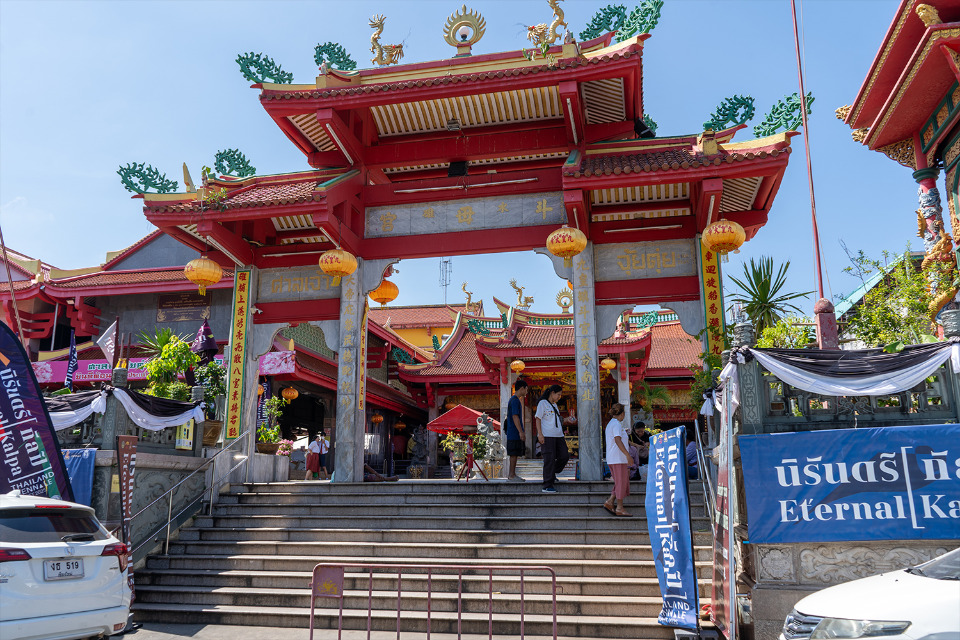
Sino-Portuguese façades coexist with later commercial interventions. Buildings originally designed for finance, entertainment, or accommodation continue to operate, adapt, or decay, often simultaneously. Streets carry the residue of past uses while remaining fully embedded in everyday life. Time here is not preserved – it is negotiated.
This makes Phuket Town an ideal site for Eternal [Kalpa], a Biennale that is less concerned with spectacle than with duration. Moving between venues is not a logistical necessity but a curatorial gesture. Walking through the city becomes part of the exhibition, allowing daily life to fill the intervals between artworks.
Institutions in States of Becoming
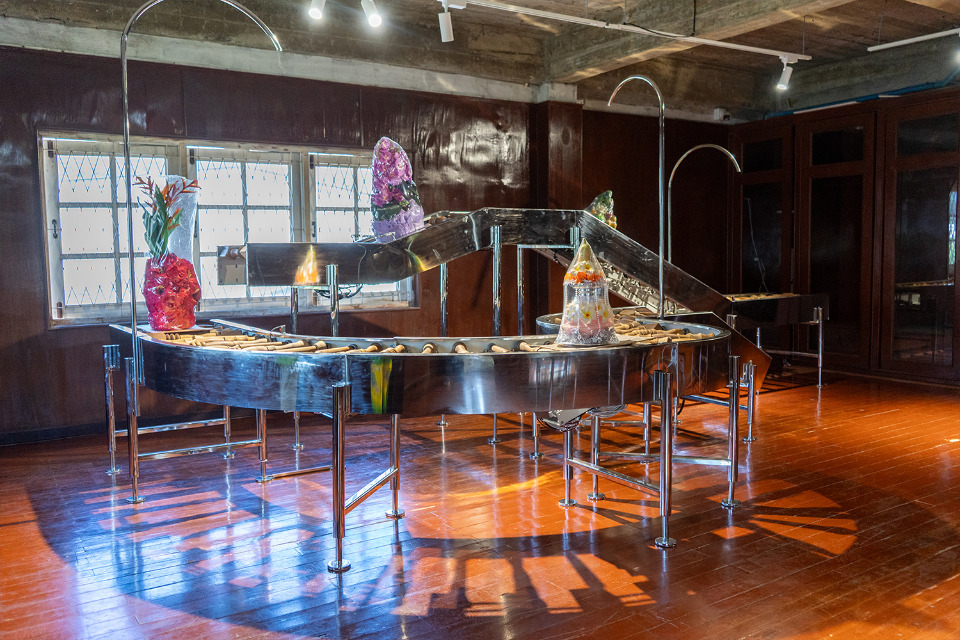
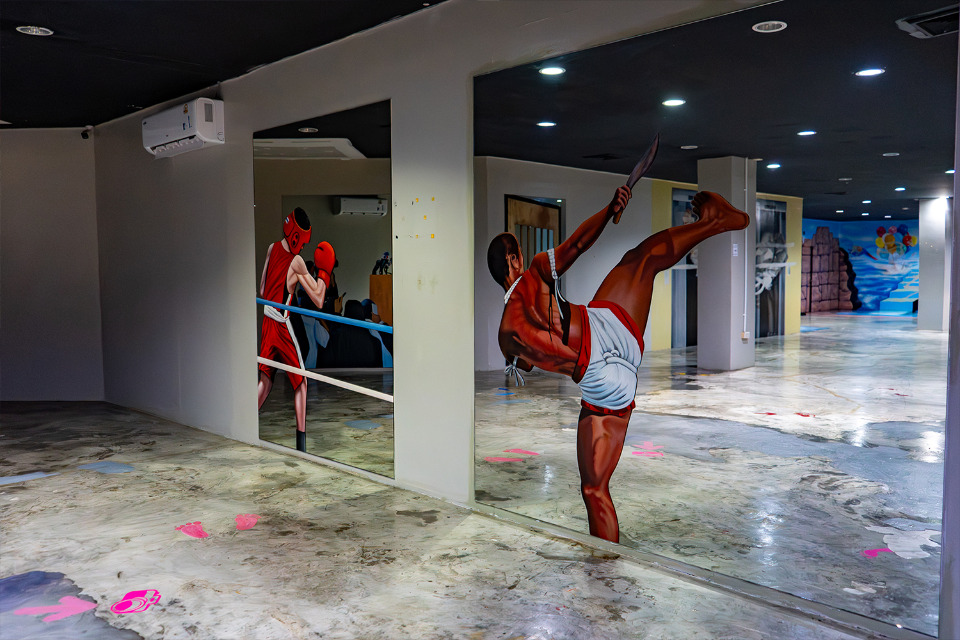
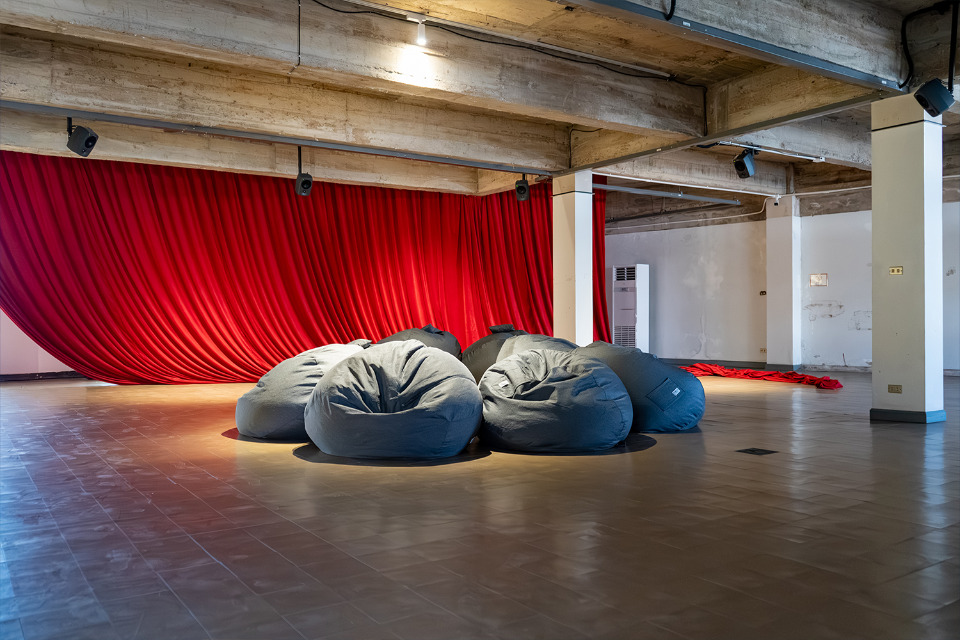
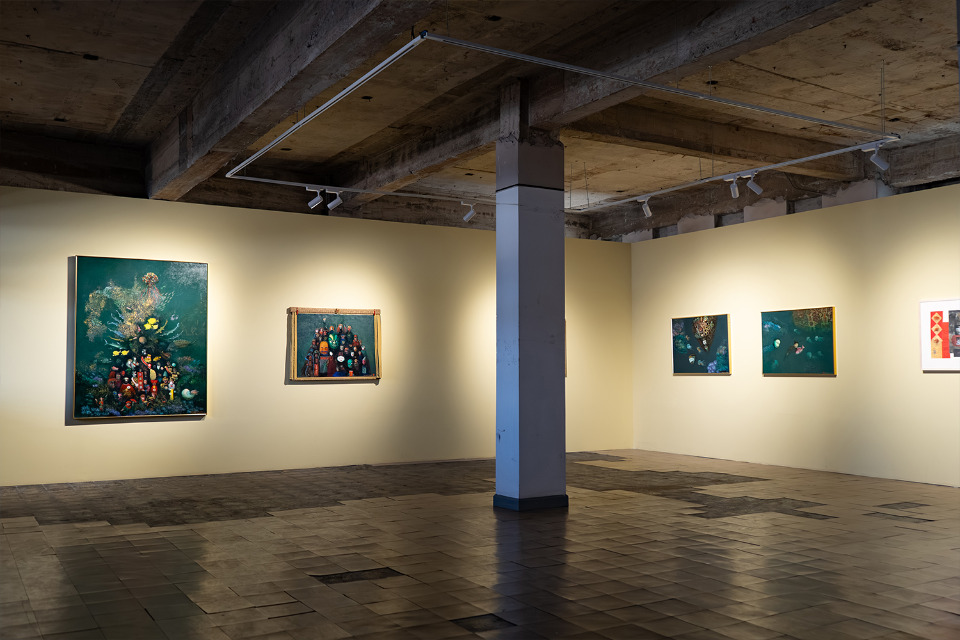
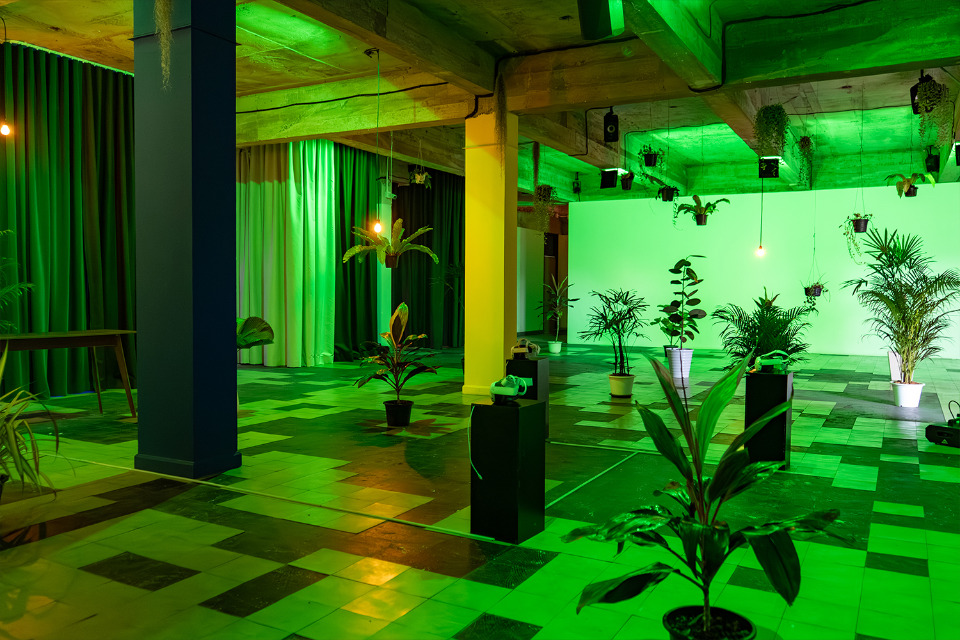
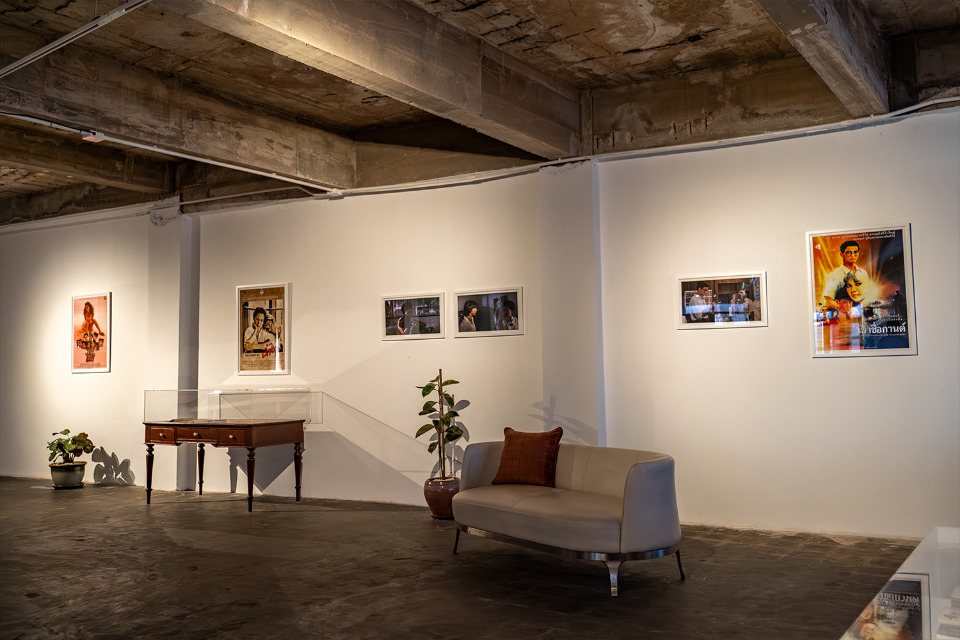
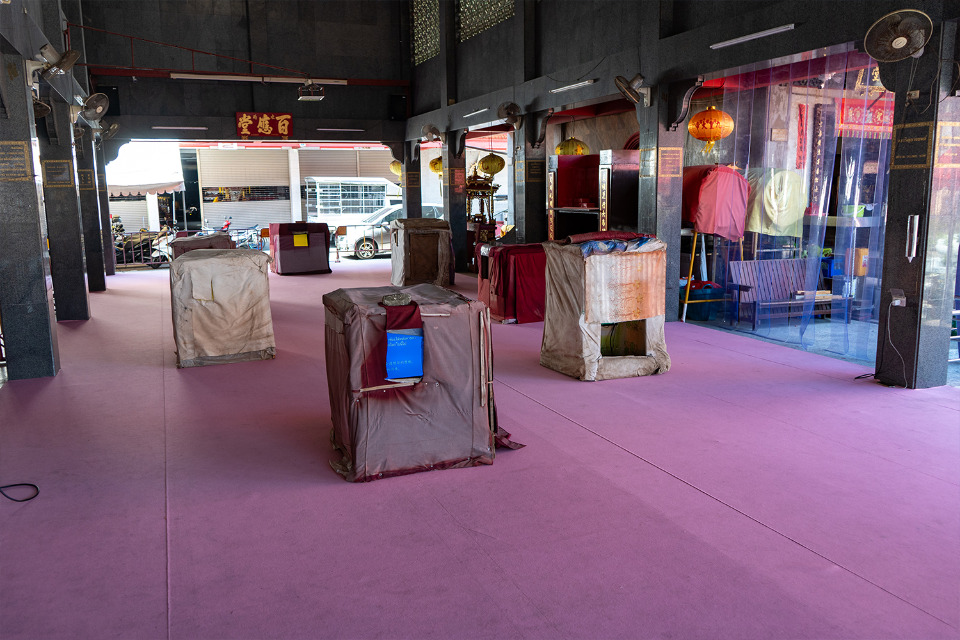
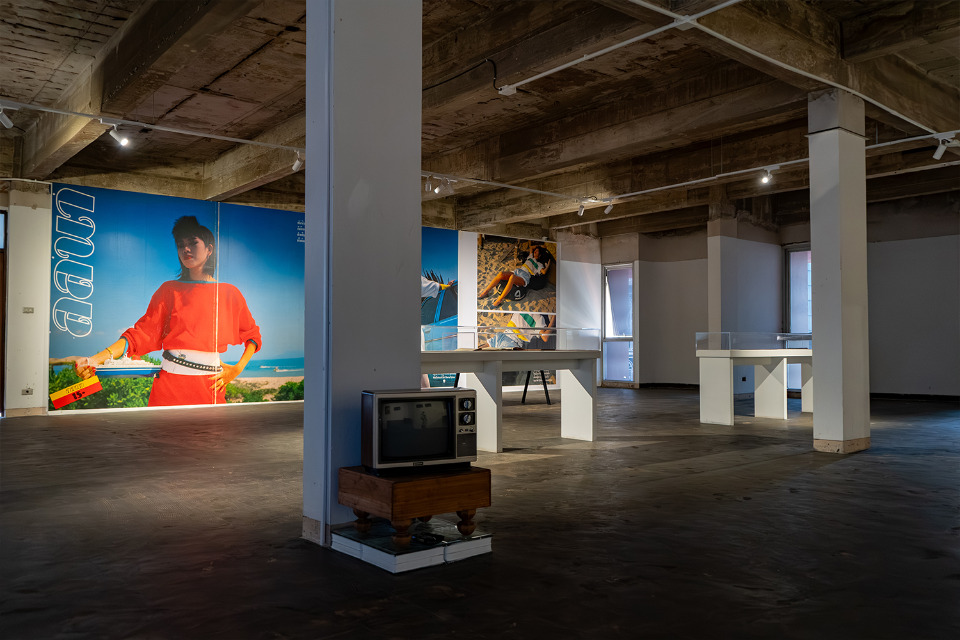
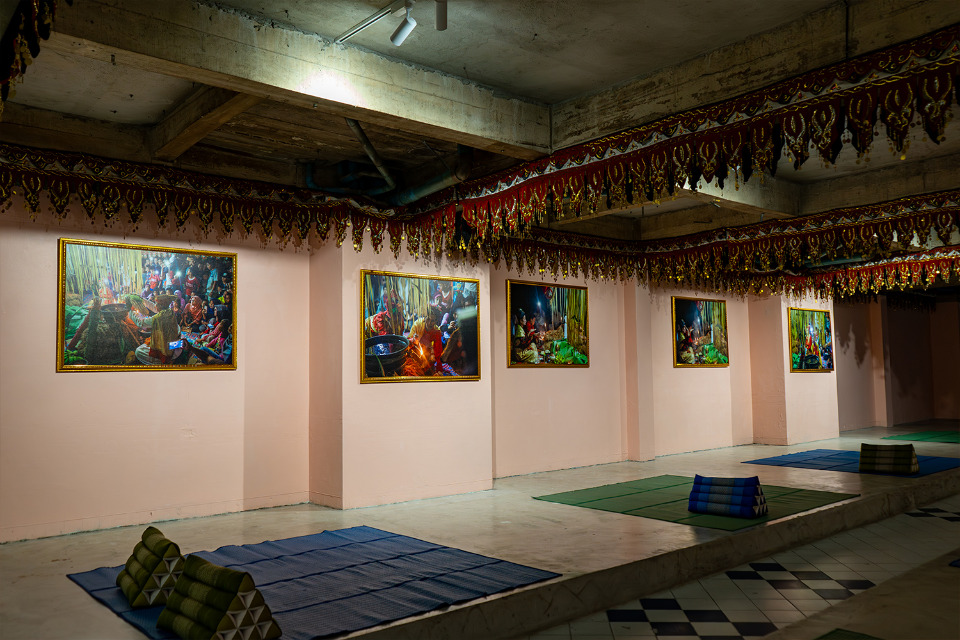
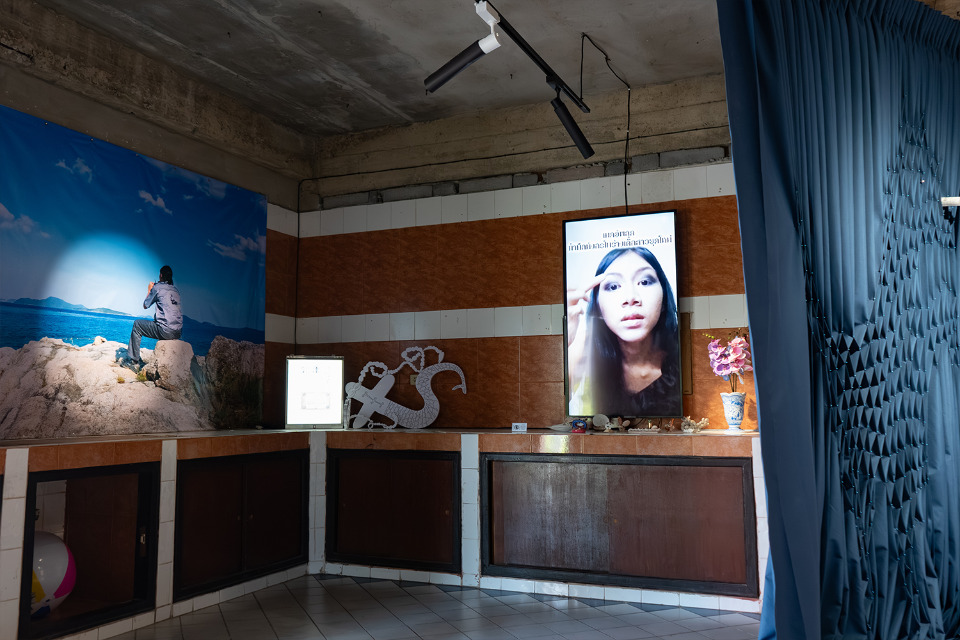
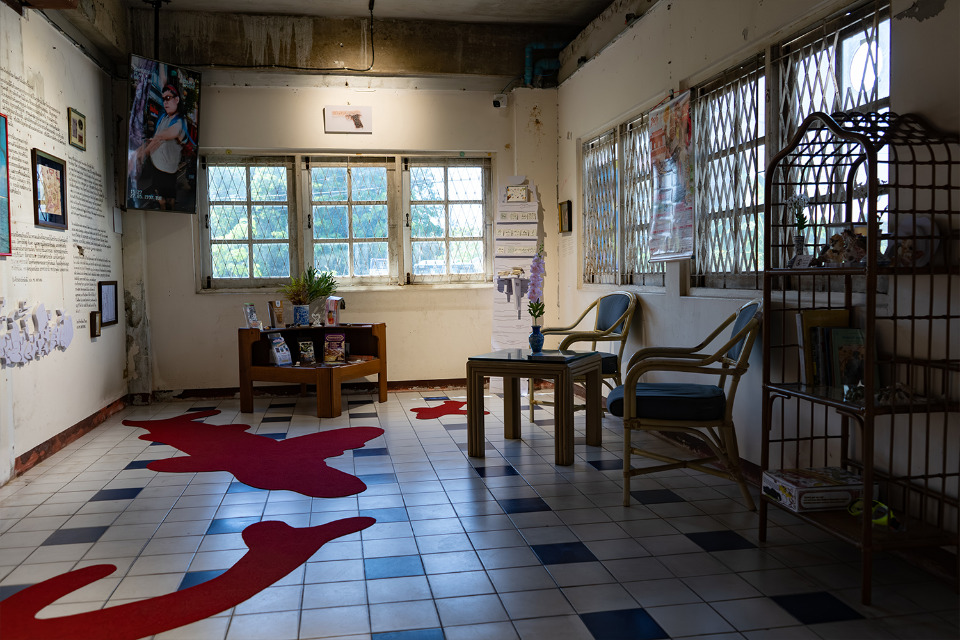
Many of the Biennale’s primary venues occupy former institutional buildings: banks, cinemas, hotels and industrial spaces whose original functions have faded, shifted, or partially survived. These structures are not restored or sanitised for exhibition. Their surfaces remain marked by use – patched floors, exposed ceilings, uneven renovations, traces of former occupants.
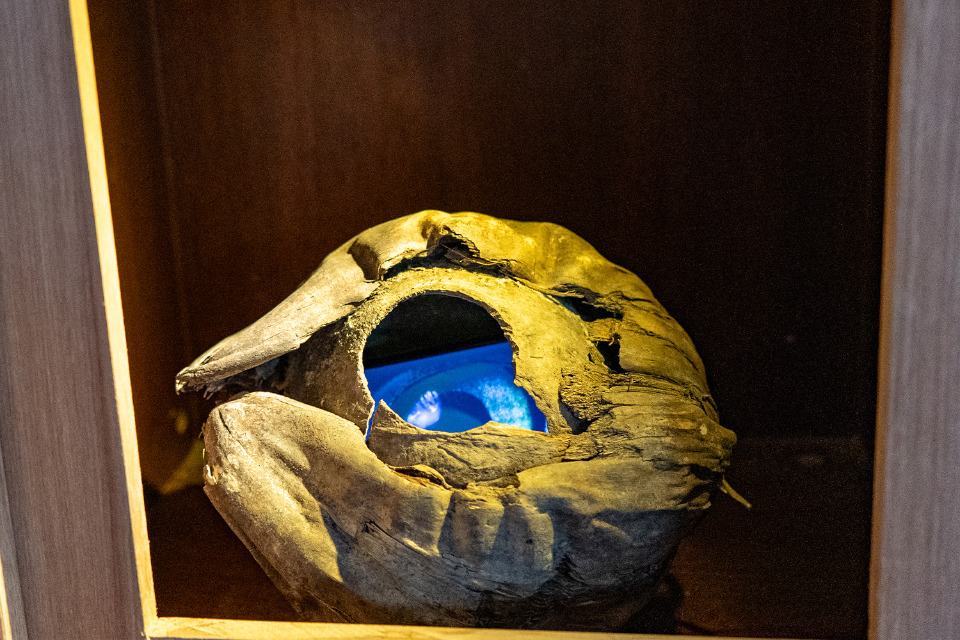
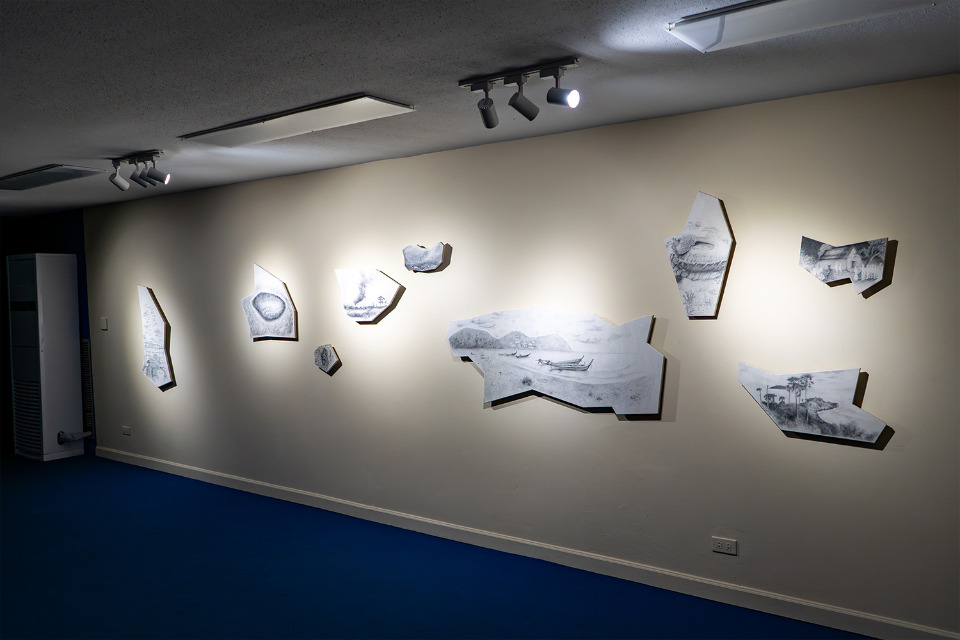
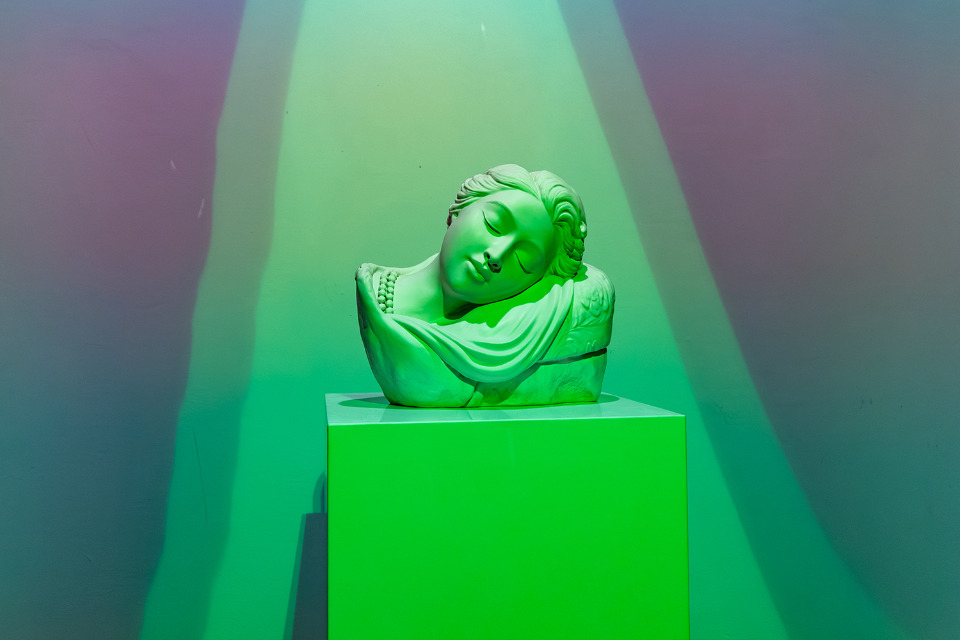
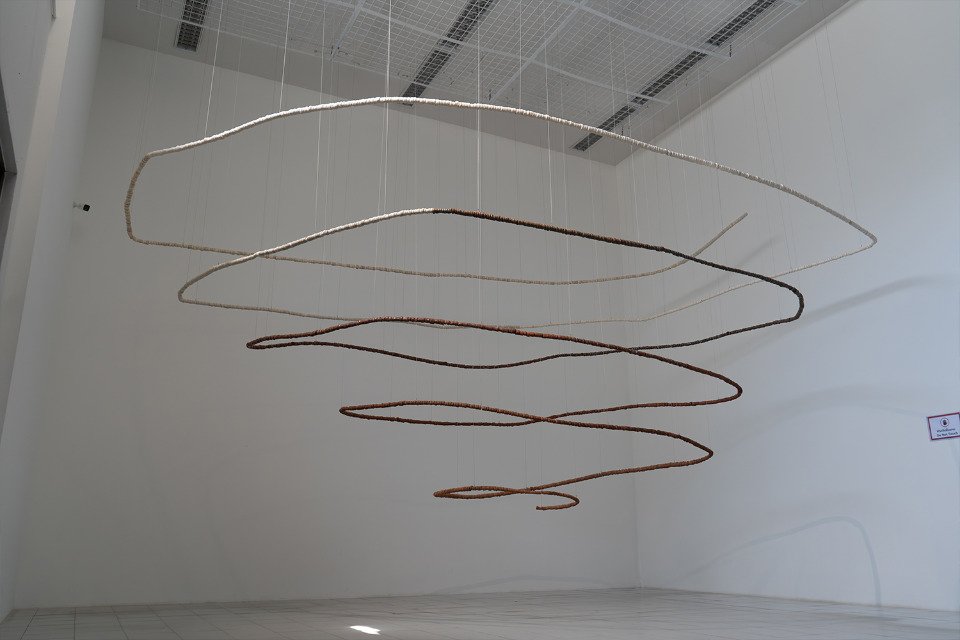
Rather than masking these conditions, the Biennale allows artworks to coexist with them. Art does not dominate the architecture; it negotiates with it. Time becomes materially legible – not as historical distance, but as an ongoing process.
Here, decay is not aestheticised. It is operational. It signals buildings still in use, still adapting, still uncertain about their future. The Biennale does not freeze them in a moment of heritage preservation. It works inside their instability.
Memory Without Nostalgia
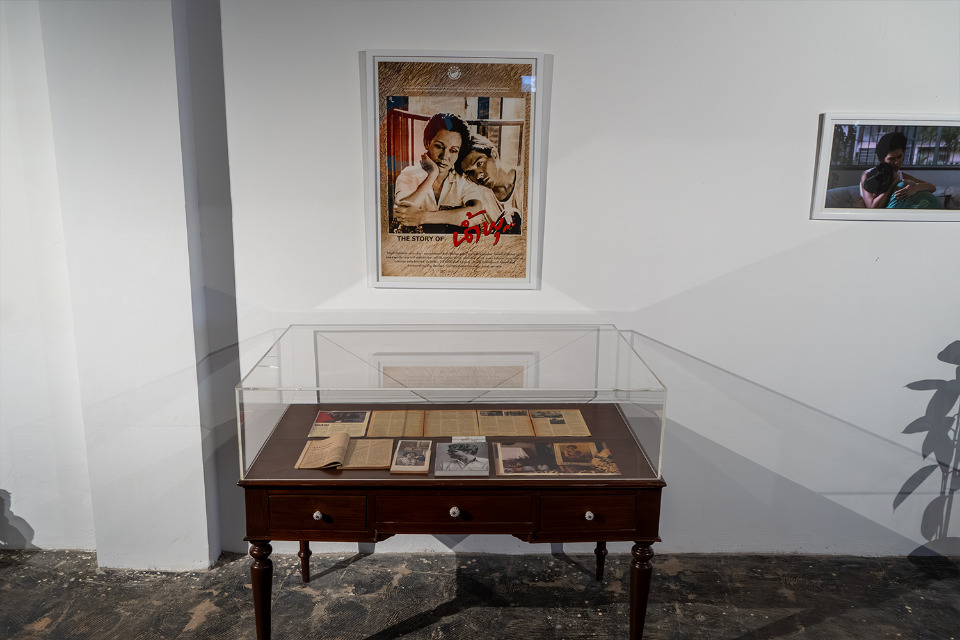
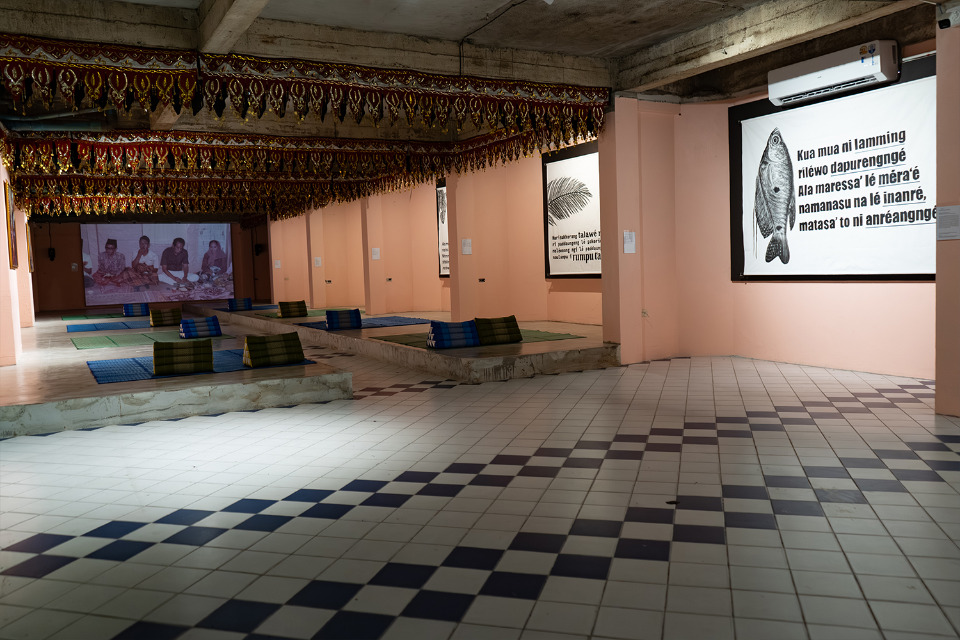
At the Pearl Theatre complex, the Biennale occupies a former cinema and entertainment venue whose layered history remains unmistakable. The architecture carries the residue of collective spectatorship, now repurposed for contemporary forms of attention.
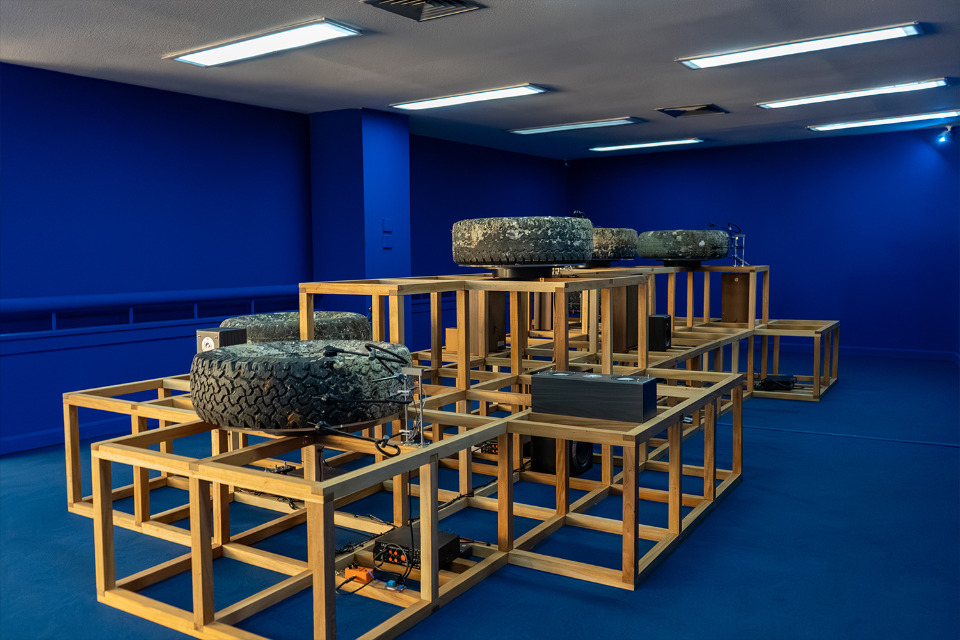
Video and sound works inhabit darkened rooms where seating, circulation and scale resist easy neutralisation. Rather than erasing the building’s past, the exhibition allows it to frame the encounter. Viewers become acutely aware of how modes of looking change over time, how attention itself is historical.
The effect is neither nostalgic nor ironic. It is matter-of-fact, allowing memory to persist without being romanticised.
Banks Without Capital
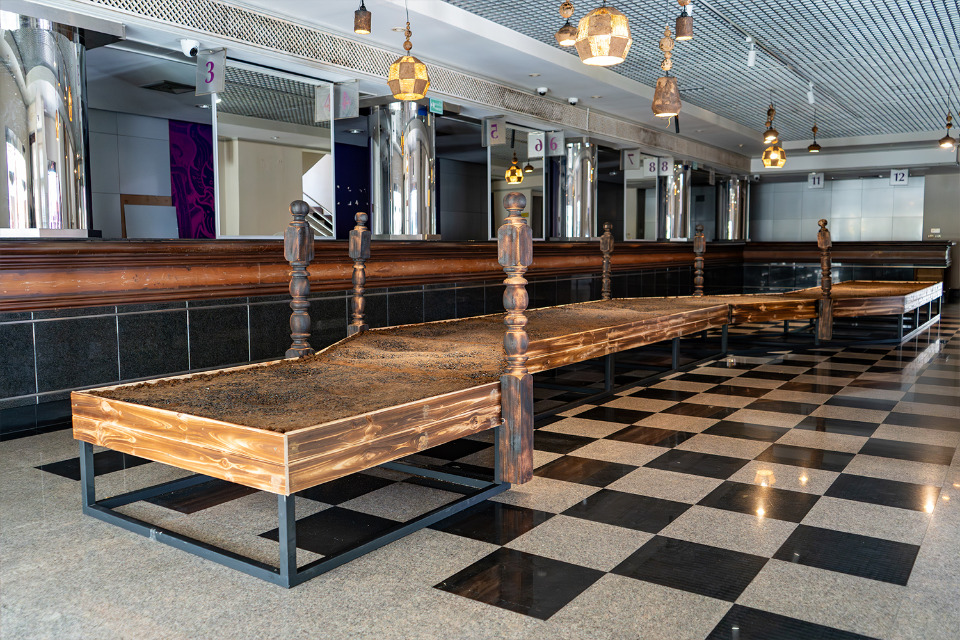
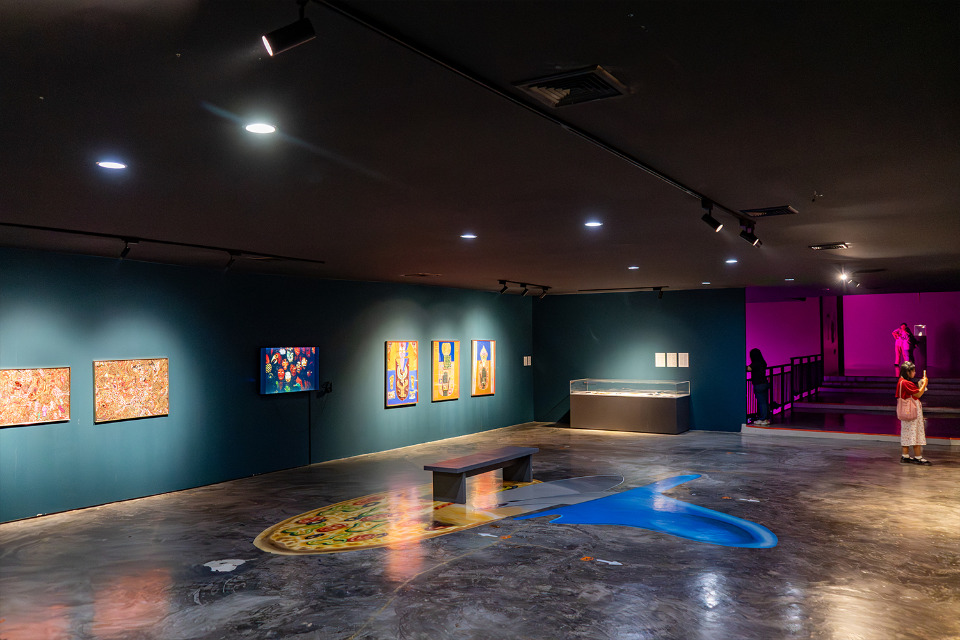
Nearby, a former bank building, once designed to embody order, security and financial authority, hosts artworks that quietly unsettle those associations. Vault-like interiors, marble surfaces and institutional proportions remain intact, even as their original function has evaporated.
Here, the Biennale exposes the afterlife of financial architecture. The space no longer regulates capital, yet it continues to shape behaviour and perception. Artworks do not overwrite this legacy; they sit within it, making visible the temporal gap between purpose and present use.
Time is experienced not as loss, but as residue.

Temporary Dwelling
At sites such as former hotels and hybrid accommodation spaces, the Biennale intersects with buildings designed for transience. These structures were never meant to endure unchanged; they were built to host movement.
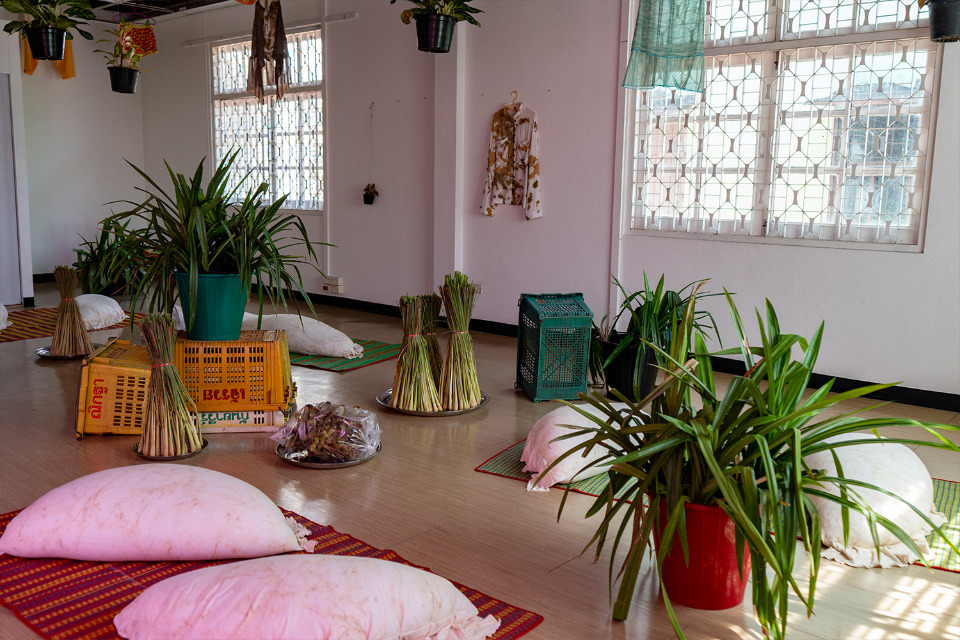
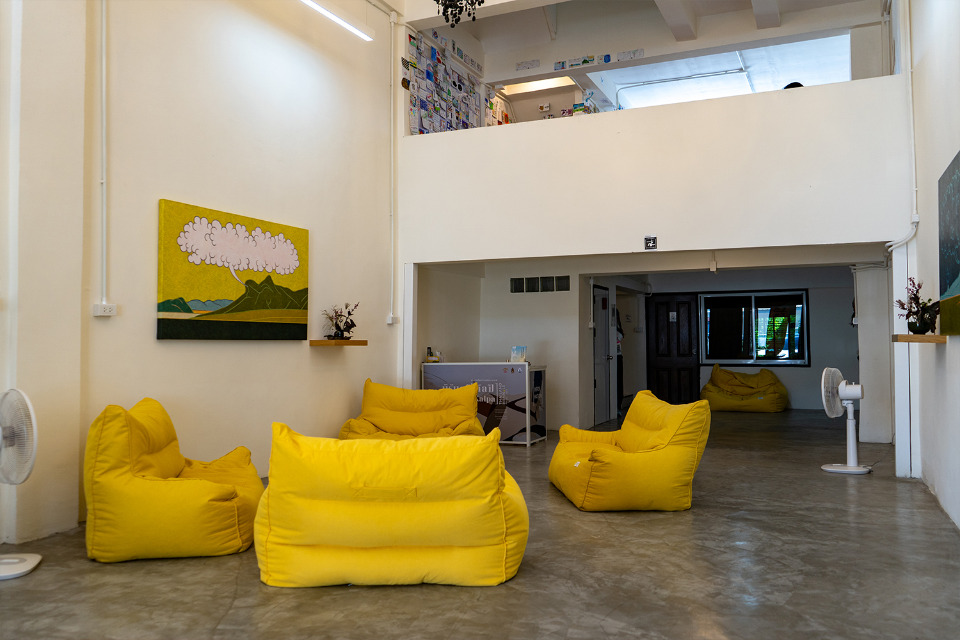
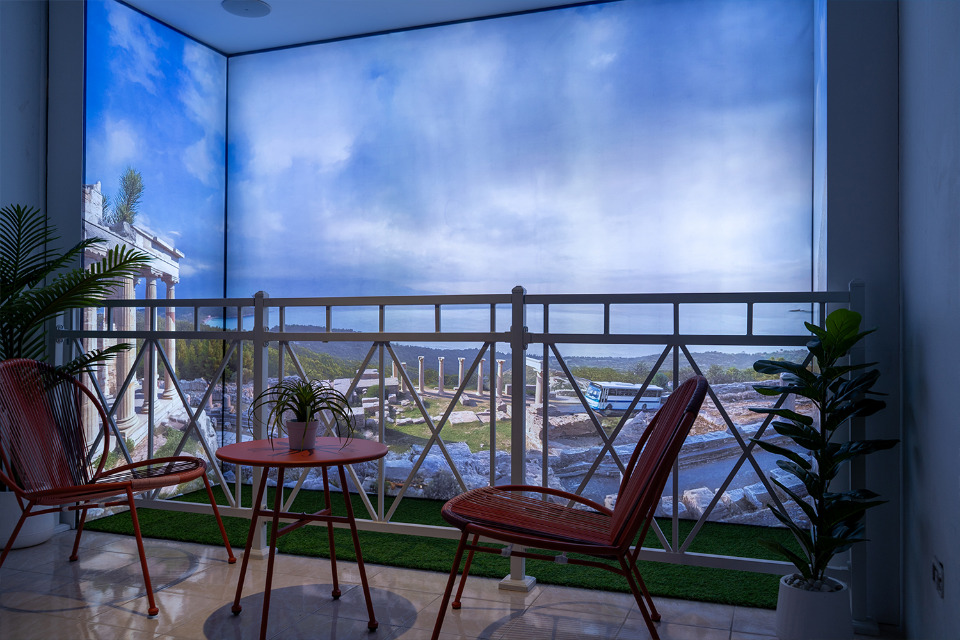
Exhibitions staged within them feel provisional by design. Floors show wear, walls bear the marks of repeated adaptation and circulation remains functional rather than ceremonial. Art enters as another temporary inhabitant, reinforcing the sense that nothing here is final.
This refusal of permanence resonates strongly with the Biennale’s central premise: that time is not something to be mastered, but something to be inhabited.
Timepieces: Observation as Exhibition
Alongside its indoor venues, Thailand Biennale Phuket introduces a series of sites designated as Timepieces. These are not conventional exhibition spaces. They contain no central object, no clear focal point and no prescribed viewing sequence.
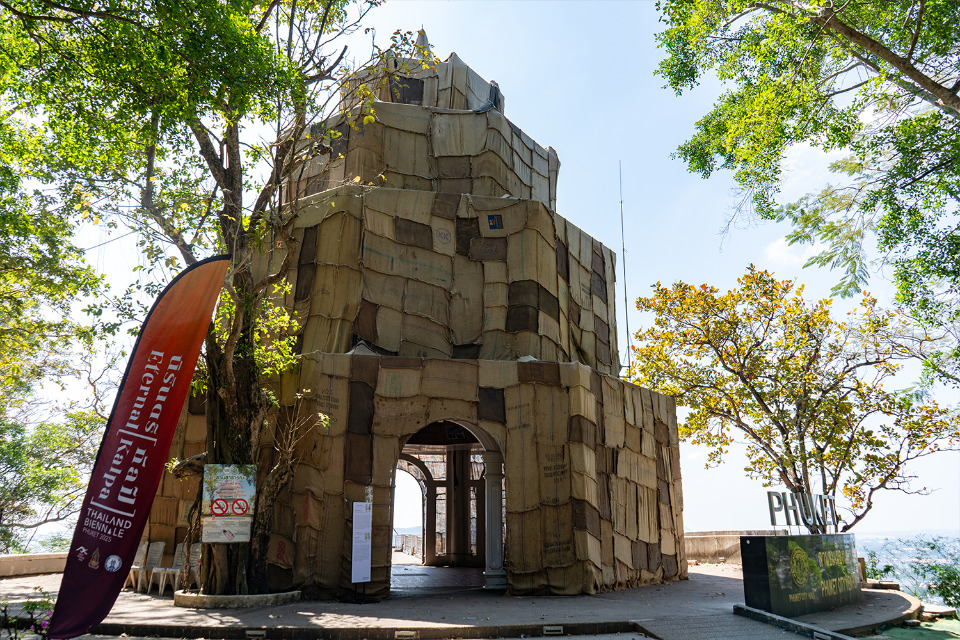
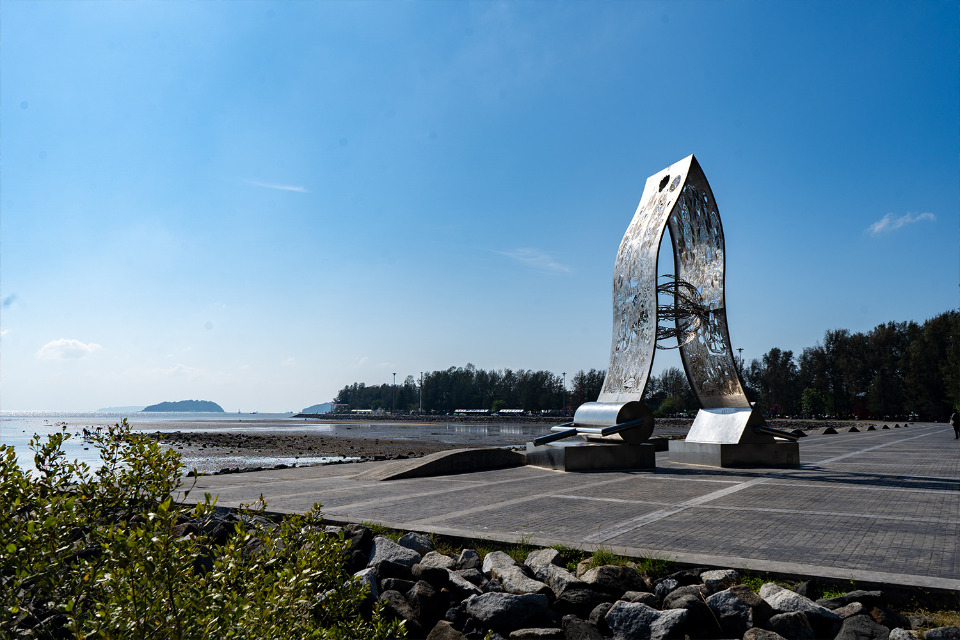
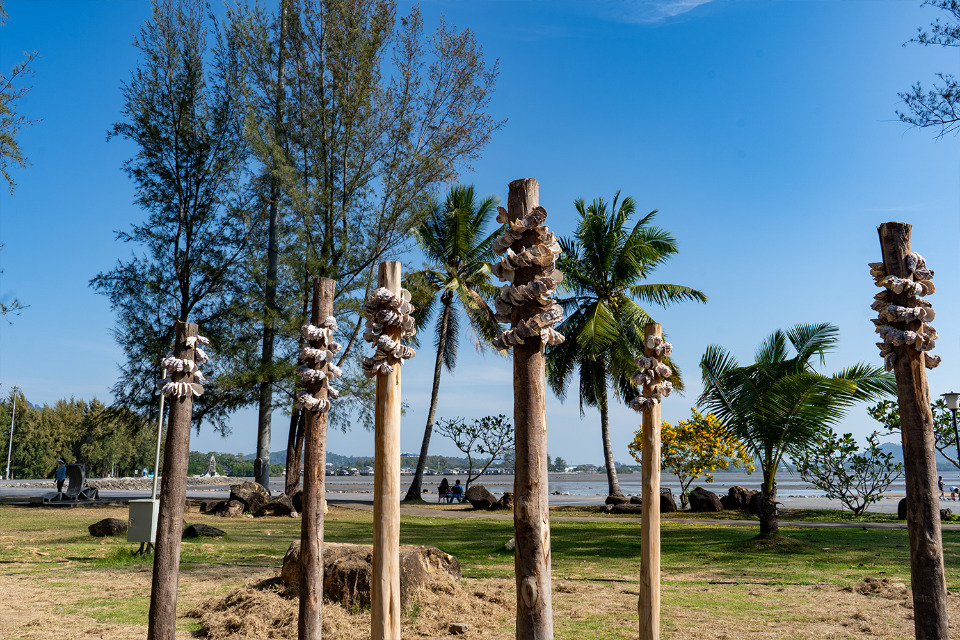
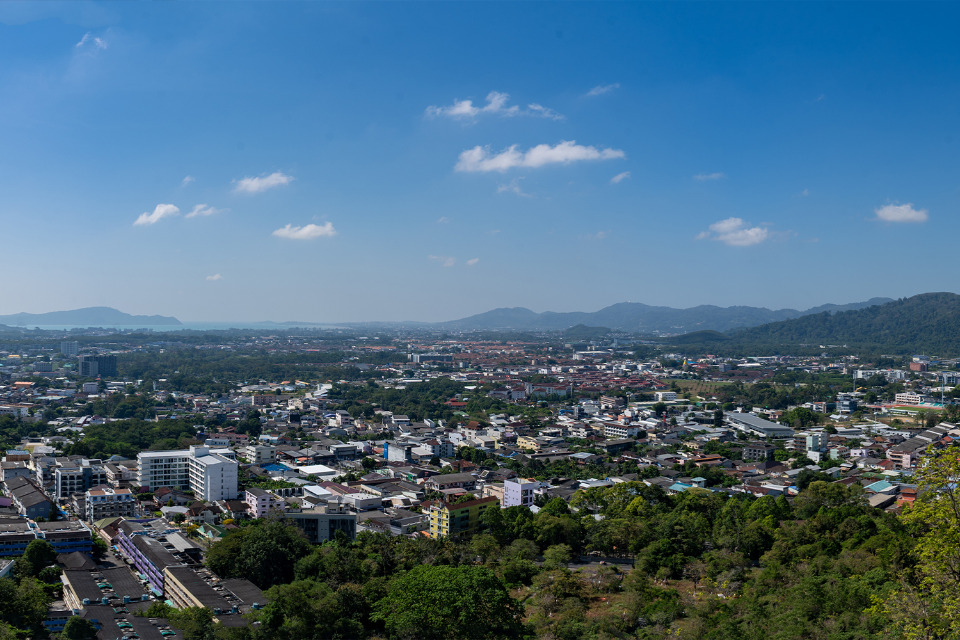
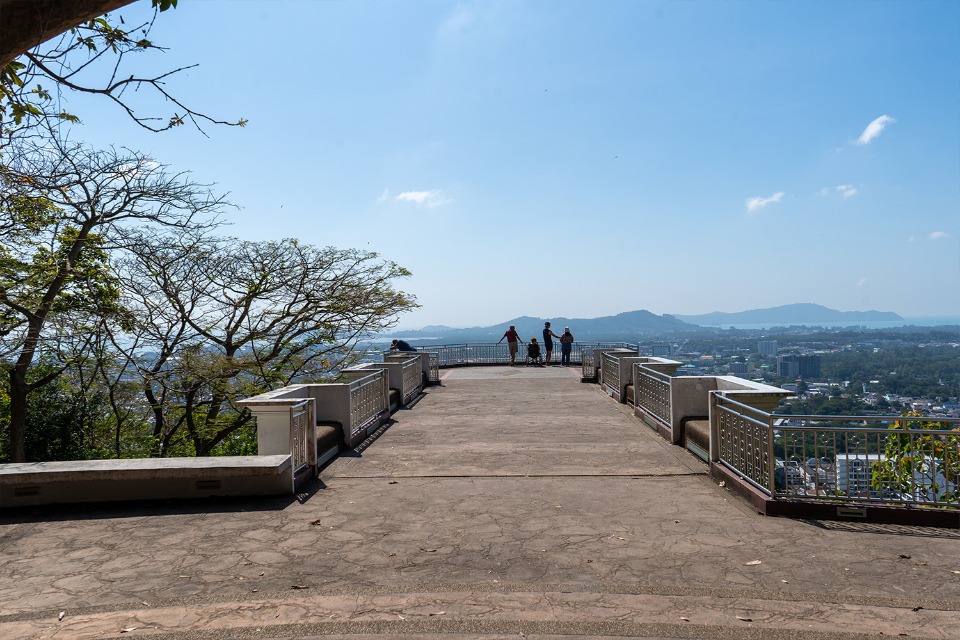
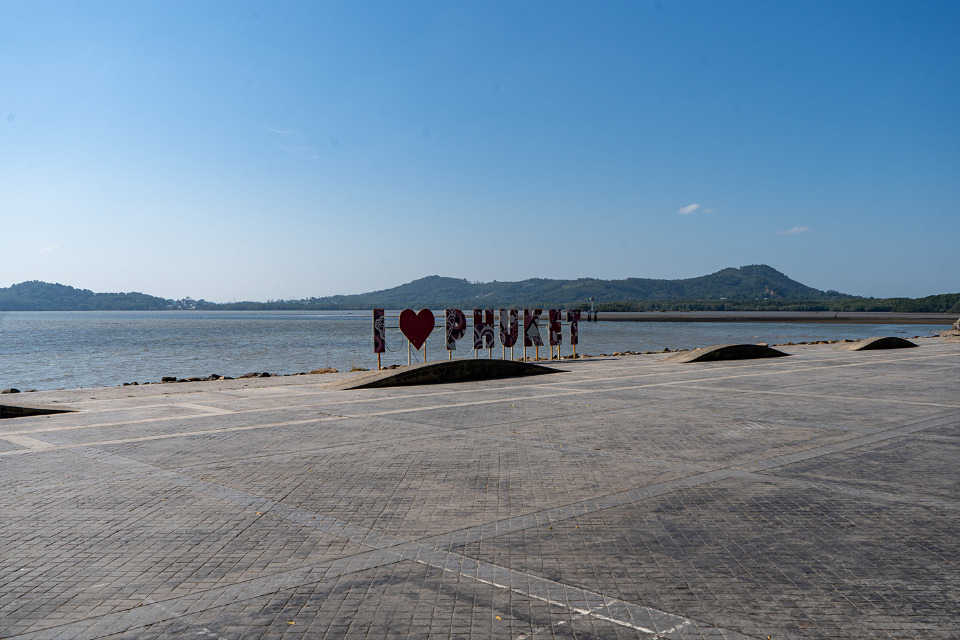
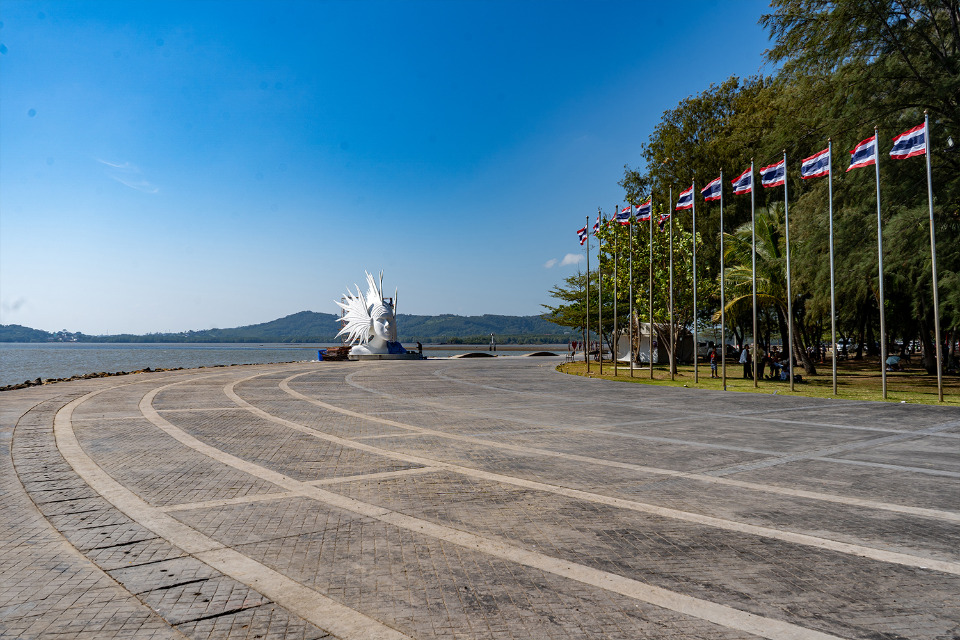
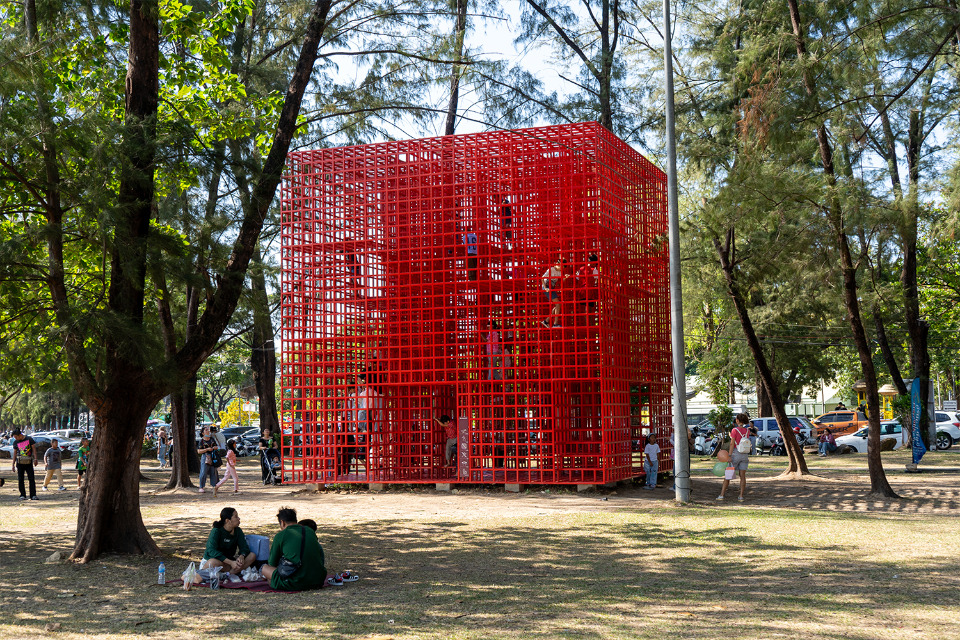
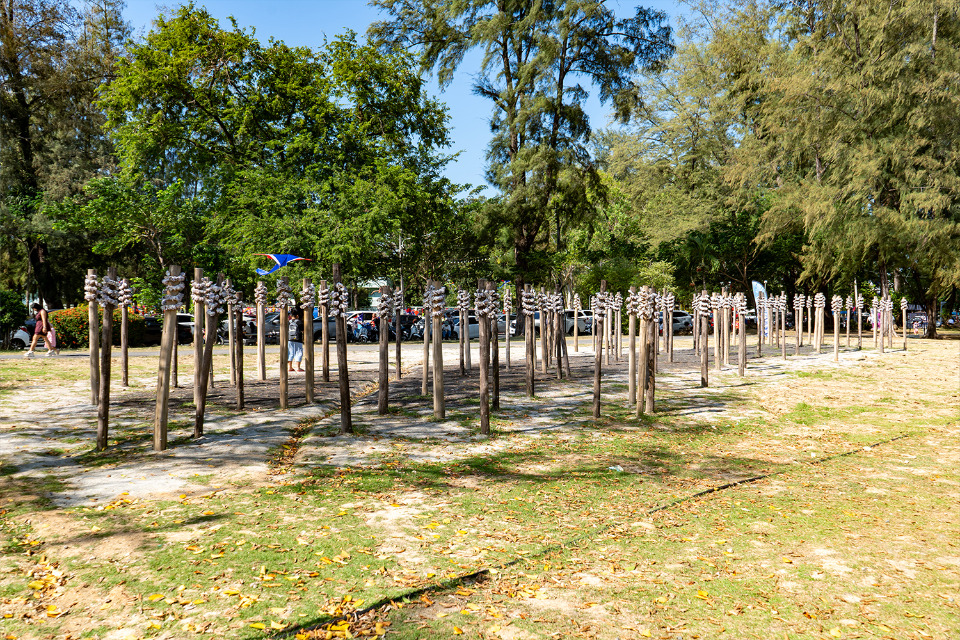
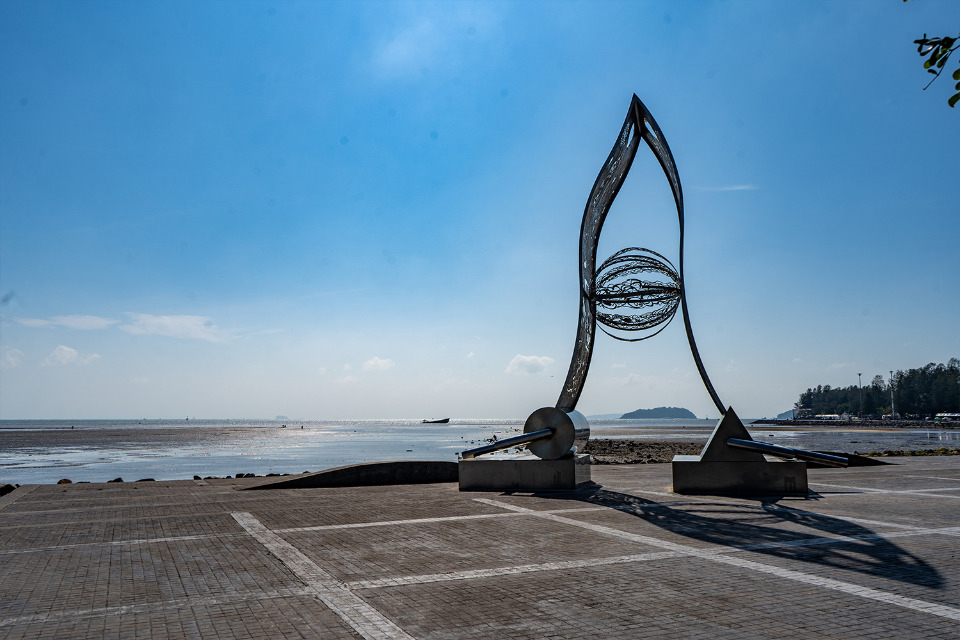
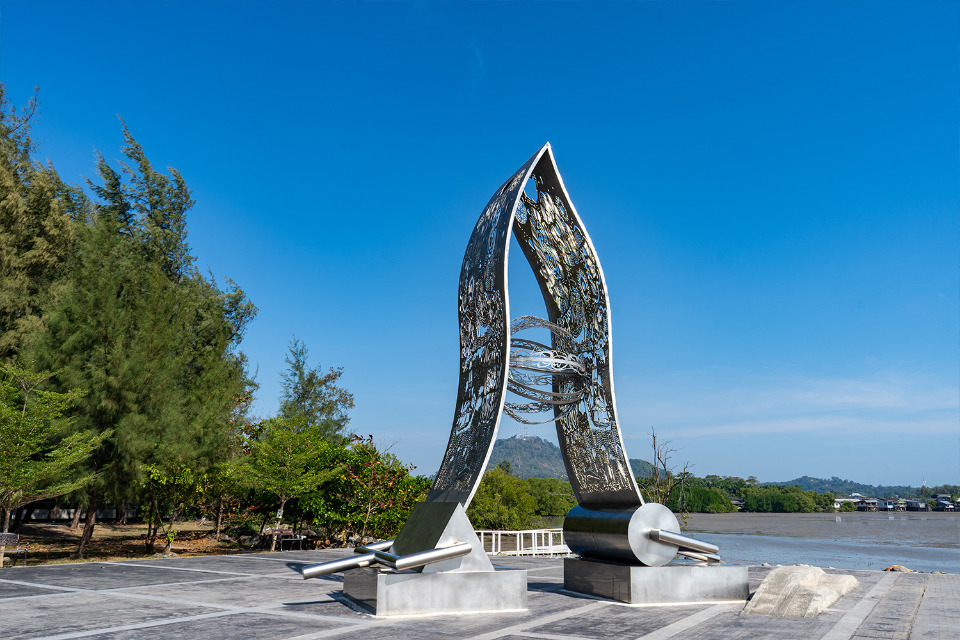
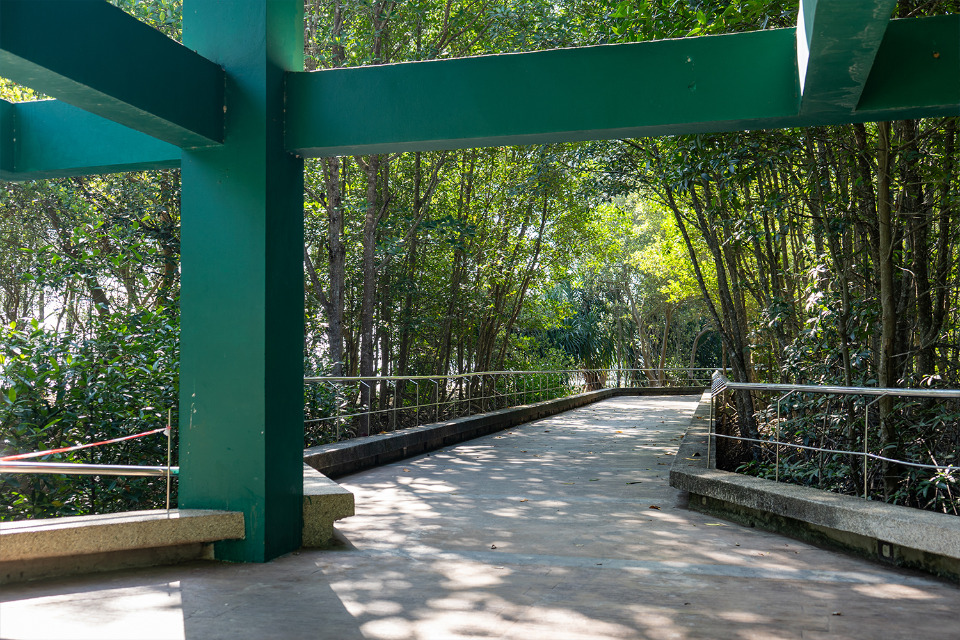
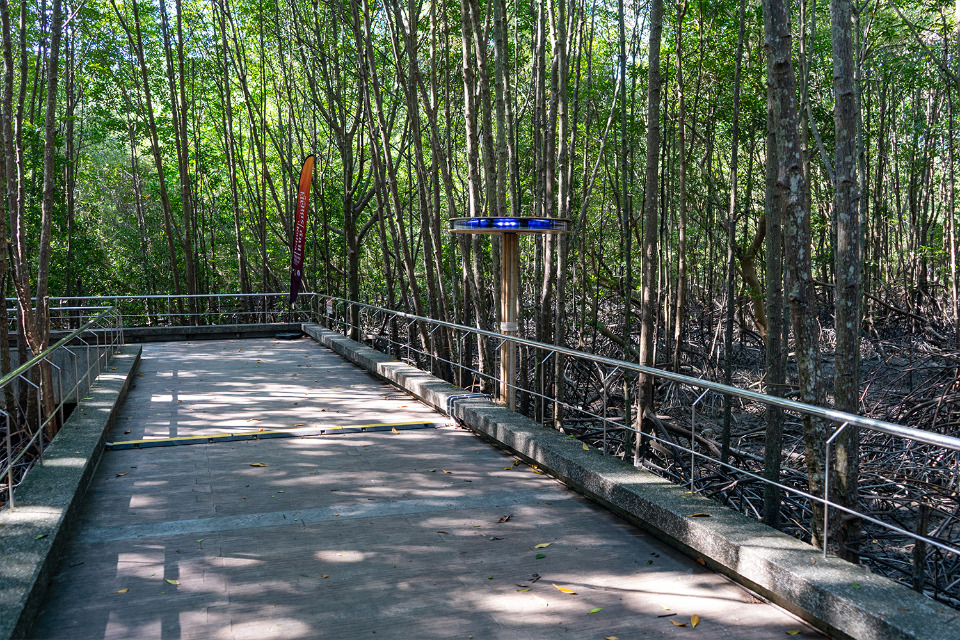
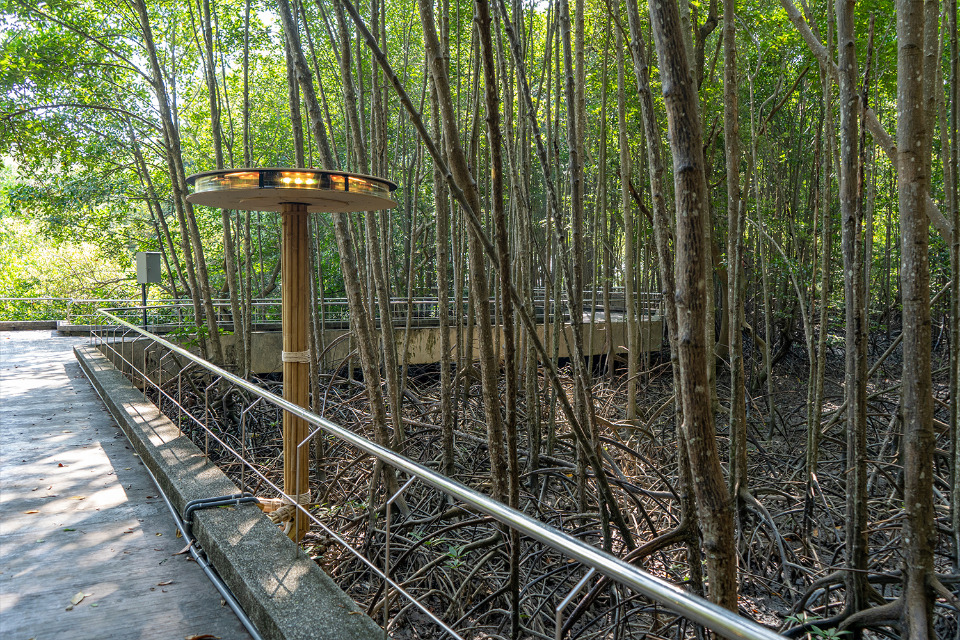
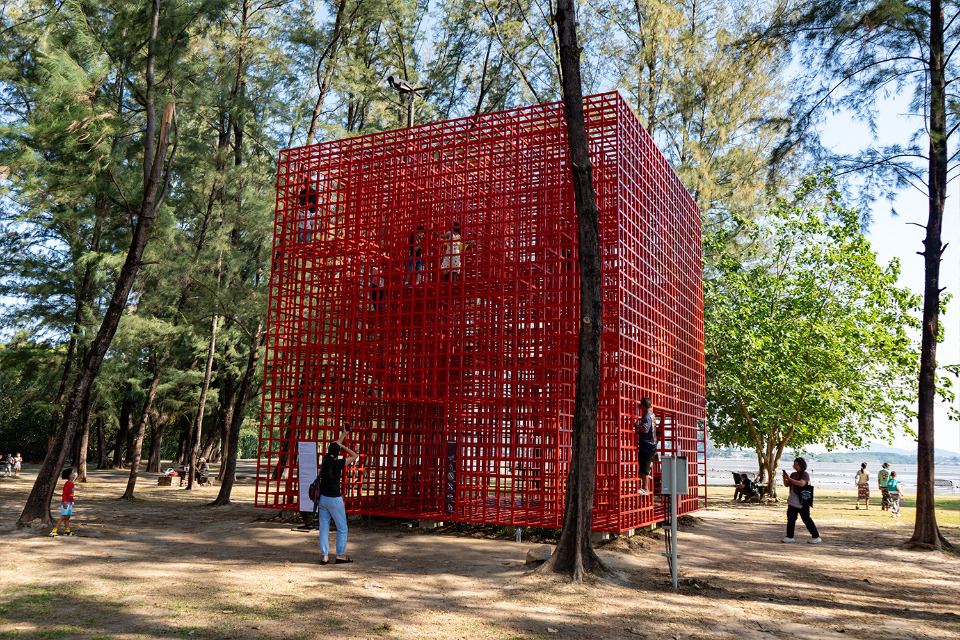
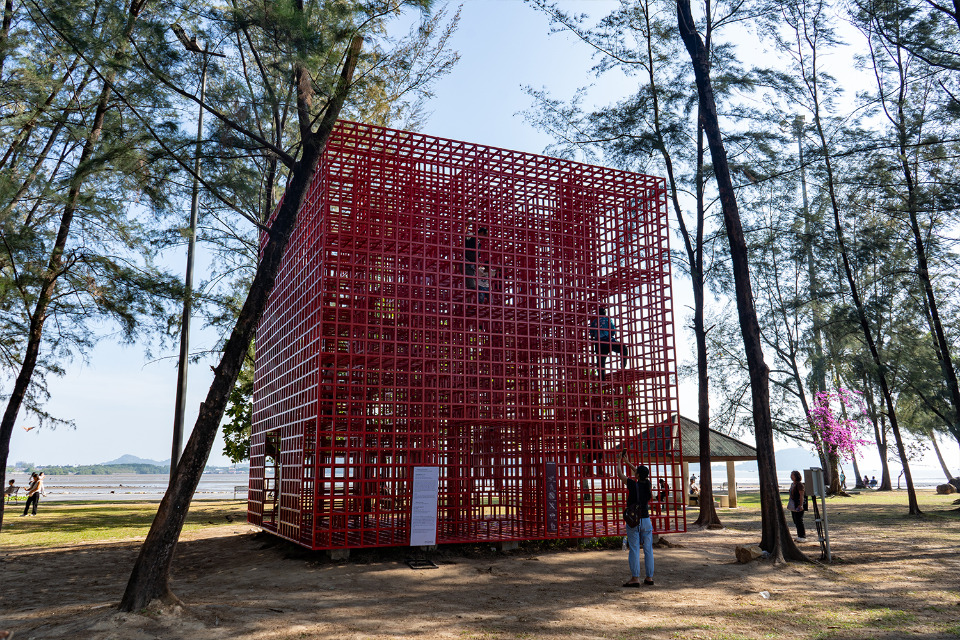
At places such as Saphan Hin Park and Rang Hill Viewpoint, the act of looking itself becomes the work. Visitors are invited to observe alignment, repetition, distance and duration of how bodies move through space, how light shifts and how the city reveals itself over time.
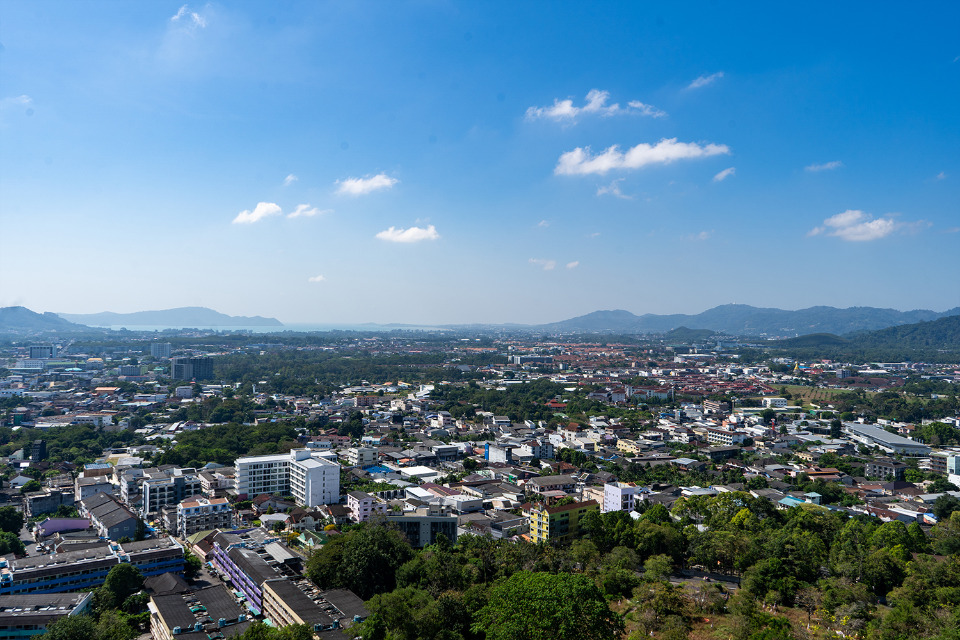
These sites function as temporal instruments. They recalibrate attention away from consumption and toward orientation. From Rang Hill, the panorama is not spectacle but context: a vantage point from which the rest of the Biennale becomes legible as a dispersed urban condition rather than a series of isolated destinations.
Holding the City Open
What distinguishes Thailand Biennale Phuket is its refusal to impose a singular narrative onto the city. The exhibition does not attempt to brand Phuket or resolve its contradictions. Instead, it listens to architecture, geography, material wear and everyday use.
Artworks appear as temporary occupants within systems already in motion. They do not halt time; they reveal it.
Eternal [Kalpa] does not offer conclusions. It offers conditions.
In Phuket Town, time does not advance cleanly. It accumulates, erodes, repeats and lingers. The Biennale does not seek to correct this. It makes it visible.
And in doing so, it suggests that the most radical gesture today may not be innovation, but attention.
If You Go: Thailand Biennale Phuket 2025
Dates: Now open through 30 April 2026
Admission: Free entry at most venues
Location: Phuket Town and surrounding public sites, including parks, walkways and viewpoints
Getting Around: Phuket Town is compact and walkable. Several Biennale venues are clustered within short walking distance of each other, particularly along Phang Nga Road and nearby streets. Outdoor sites such as Saphan Hin Park and Rang Hill Viewpoint are best reached by car or taxi. Complimentary shuttle services operate between select venues during peak hours.
Time Needed: Allow half a day for Phuket Town venues, or a full day if you include outdoor Timepiece sites.
Phuket Town Venues at a Glance
Indoor Venues
Outdoor & Public Sites (Timepieces)
Note: Venues are not designed to be experienced in a fixed order. Walking between them is part of the curatorial logic.
Timepieces: How to Look
Unlike conventional exhibition venues, Timepieces contain no single artwork to “see.”
Instead, these sites invite visitors to slow down and observe:
At Saphan Hin, the coastline becomes a measuring device.
At Rang Hill, distance and scale reorganise perception.
The instruction is simple: stay longer than feels necessary.
Where to Stay: Biennale-Friendly Bases
For visitors who want to remain close to the Biennale’s rhythm, Phuket Town offers several small hotels and heritage properties within walking distance of key venues. Look for places that favour adaptive reuse, minimal renovation and proximity to Phang Nga Road and Old Town rather than beachfront resorts.
Staying in town allows the Biennale to unfold gradually – morning walks, afternoon pauses and evening returns.
by Mads D, Photographer & Explorer
Learn more about Mads D KamalaBeachEstate.com/mads-d





Visit our other website











 GO TO TOP