


Phuket isn’t a checklist of beaches and shrines.
 Phuket Old Town – The Island’s Cultural Spine
 Phuket Old Town – The Island’s Cultural Spine
 Phuket Old Town – The Island’s Cultural Spine
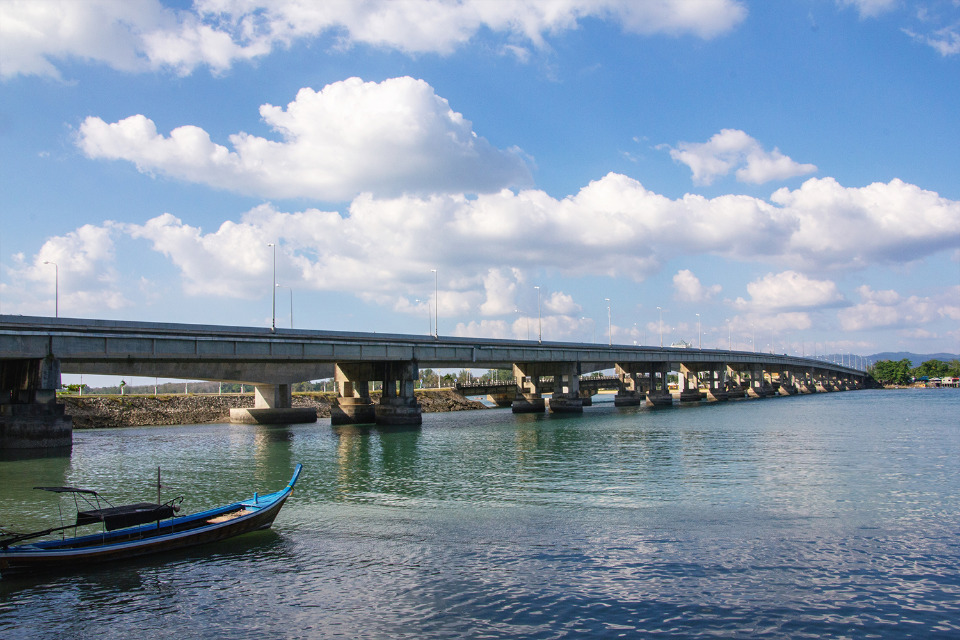
 Sarasin Bridge – Gateway Between Islands and Lives
 Sarasin Bridge – Gateway Between Islands and Lives
 Sarasin Bridge – Gateway Between Islands and Lives
 Ranong Main Market – The Island’s Daily Pulse
 Ranong Main Market – The Island’s Daily Pulse
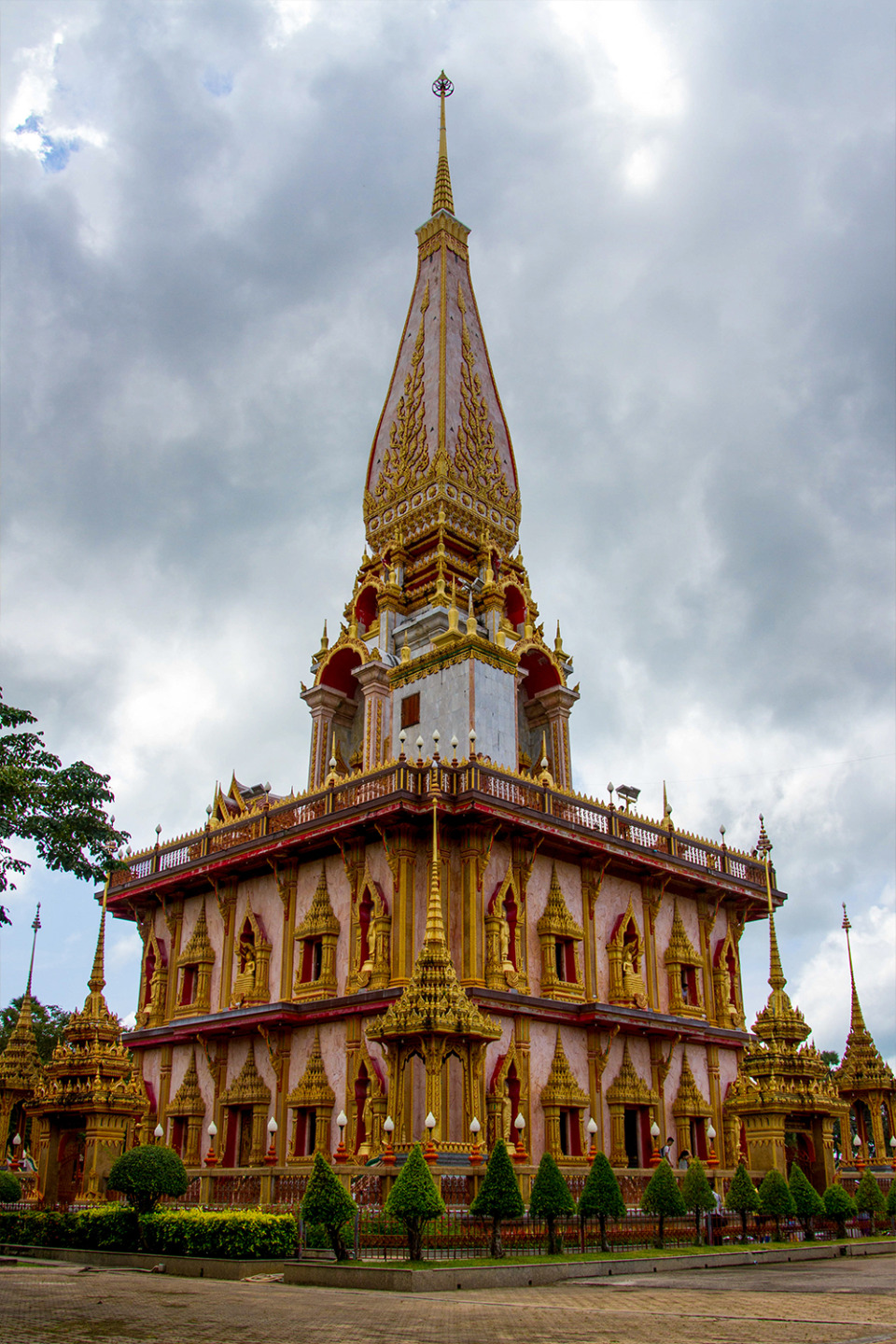
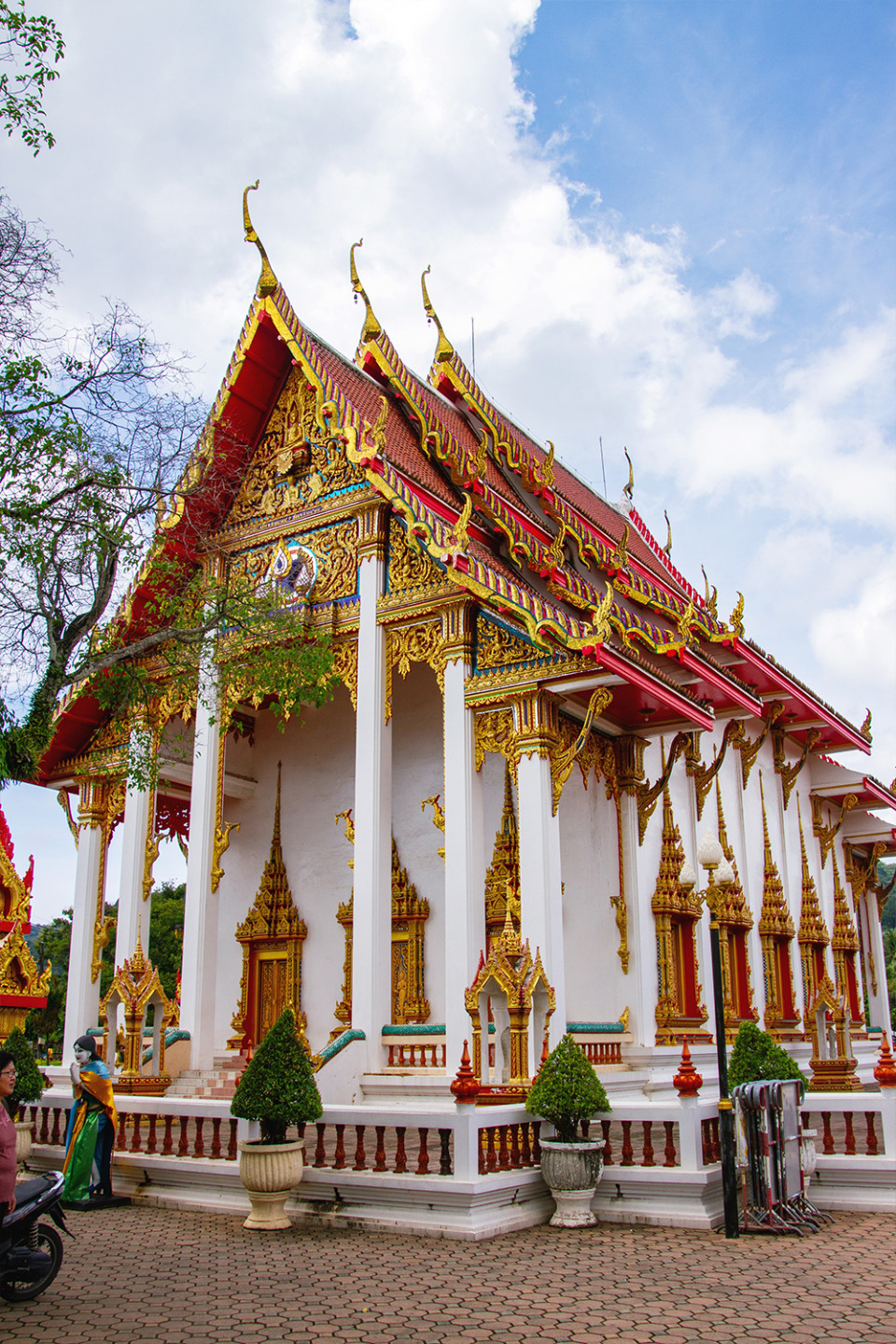
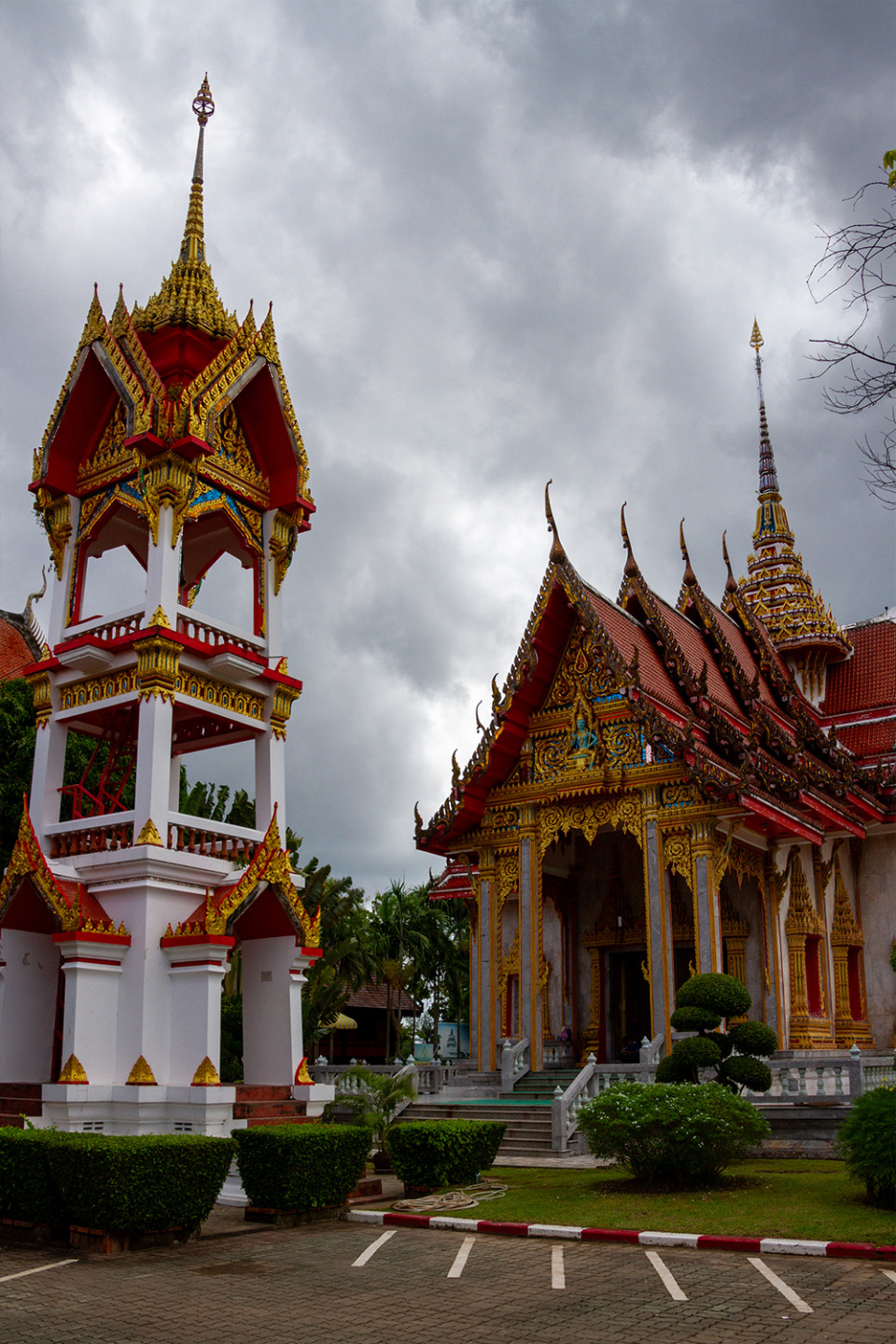
 Wat Chalong – The Island’s Heartbeat
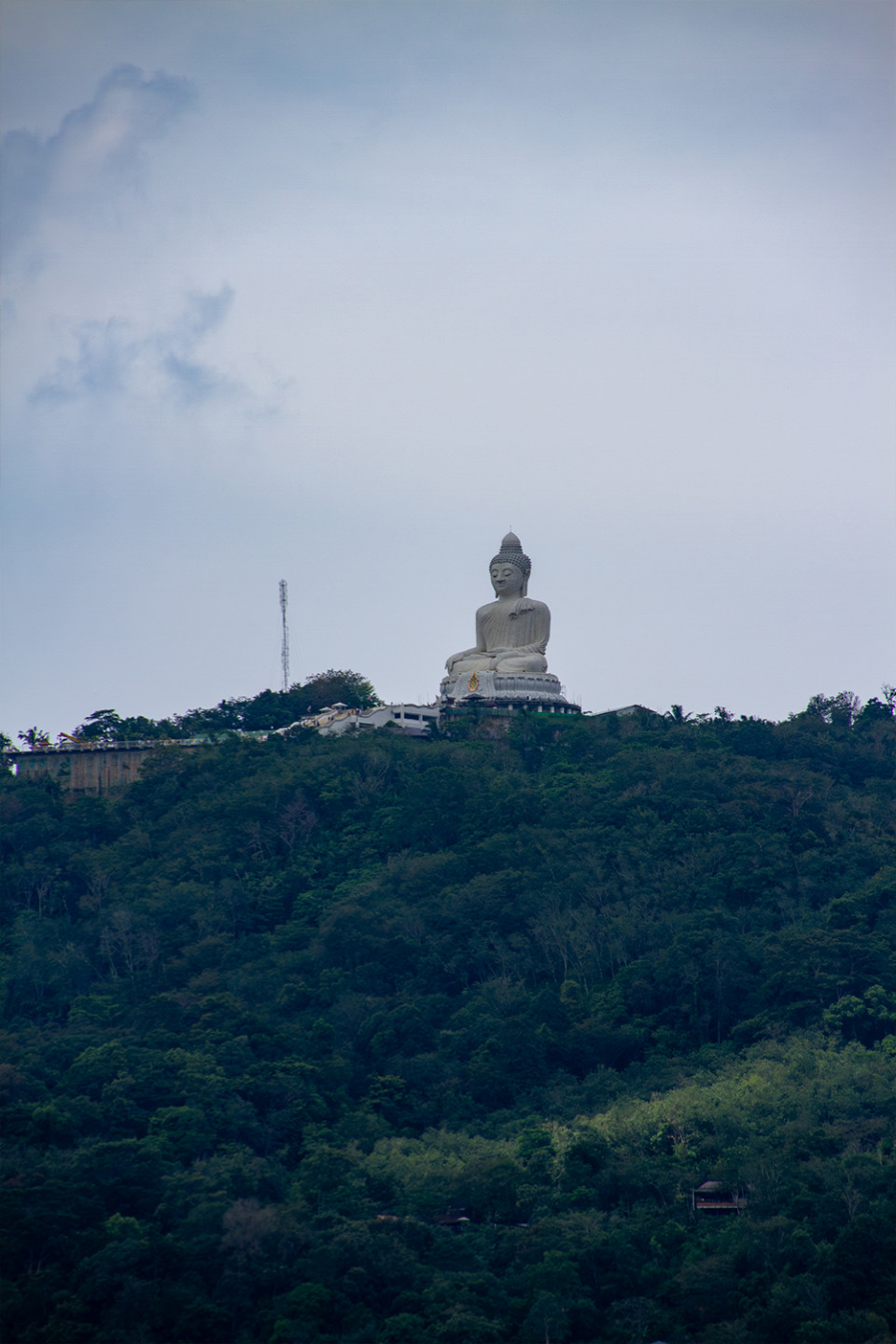
 Khao Khad Viewpoint – Panwa’s Elevated Panorama
 Khao Khad Viewpoint – Panwa’s Elevated Panorama
 Windmill Viewpoint – Between Sky and Sea
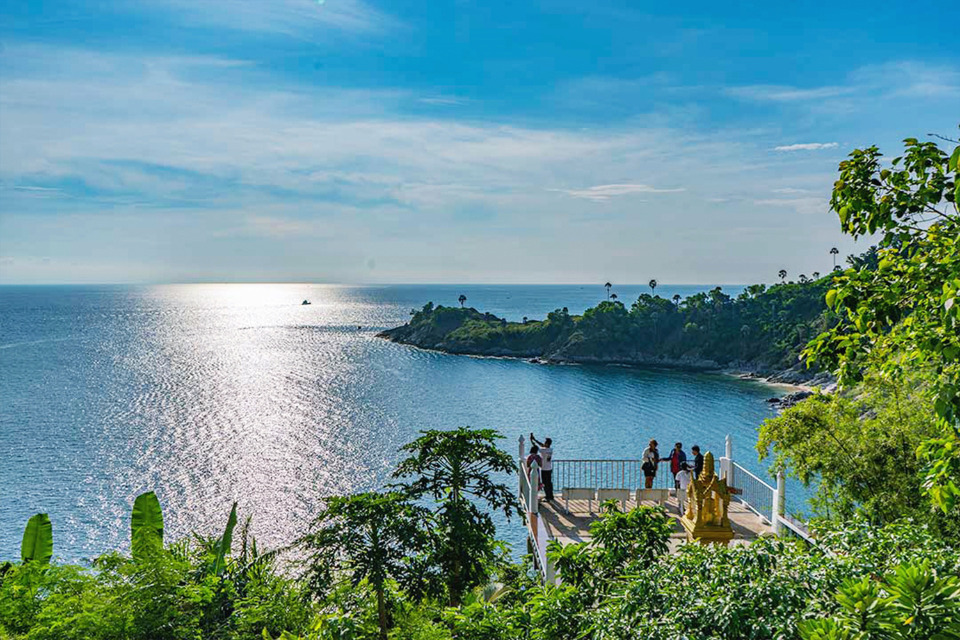
 Promthep Cape – Where Phuket Ends and the Sea Begins
 Promthep Cape – Where Phuket Ends and the Sea Begins
 Promthep Cape – Where Phuket Ends and the Sea Begins
 Promthep Cape – Where Phuket Ends and the Sea Begins
It’s a conversation between land and longing — between the bridge that stitches islands together and the cape that releases them.
This seven-stop route spans roughly 60 km and can be savoured over two or three days by scooter, songthaew, or eco-friendly shared taxi.
The dry season (November to June) brings the best clarity – light, calm seas and time to listen to what the island still remembers.
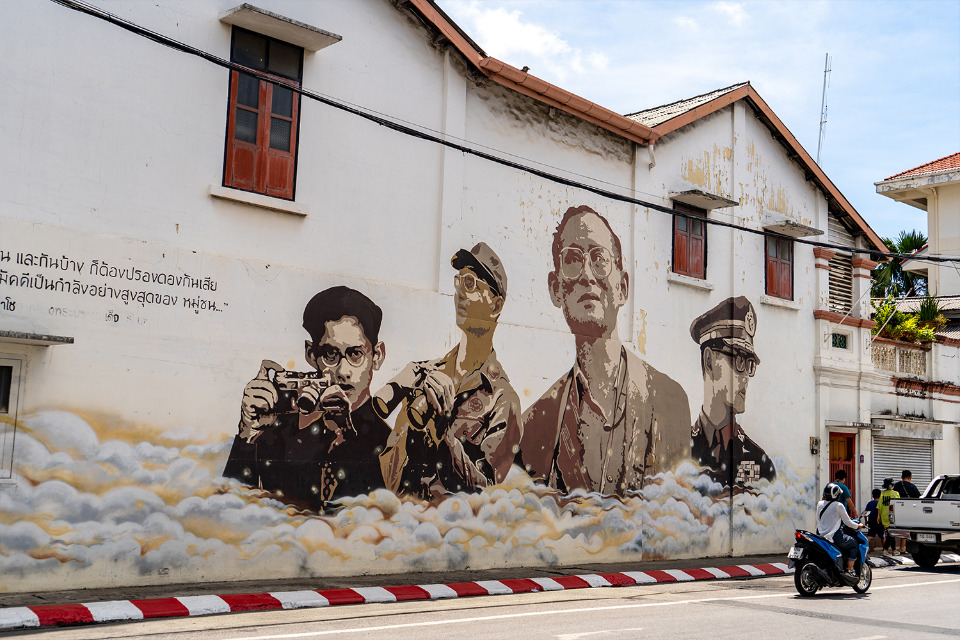
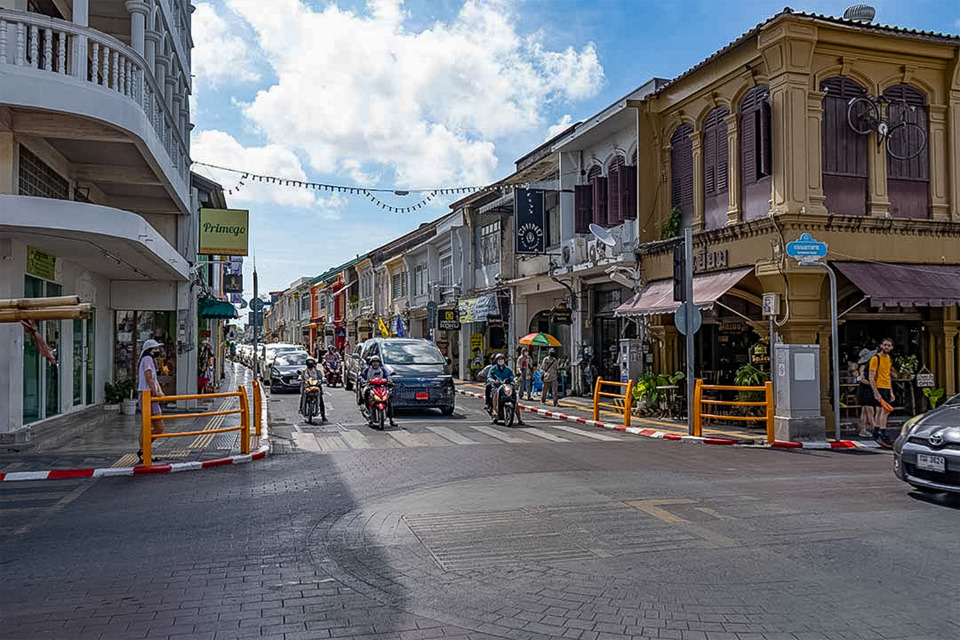
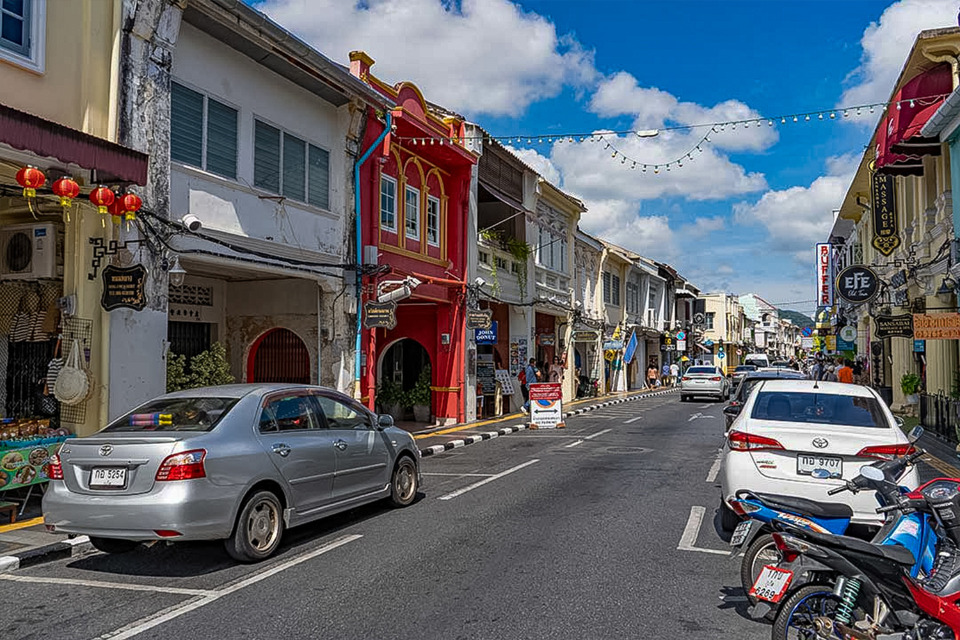
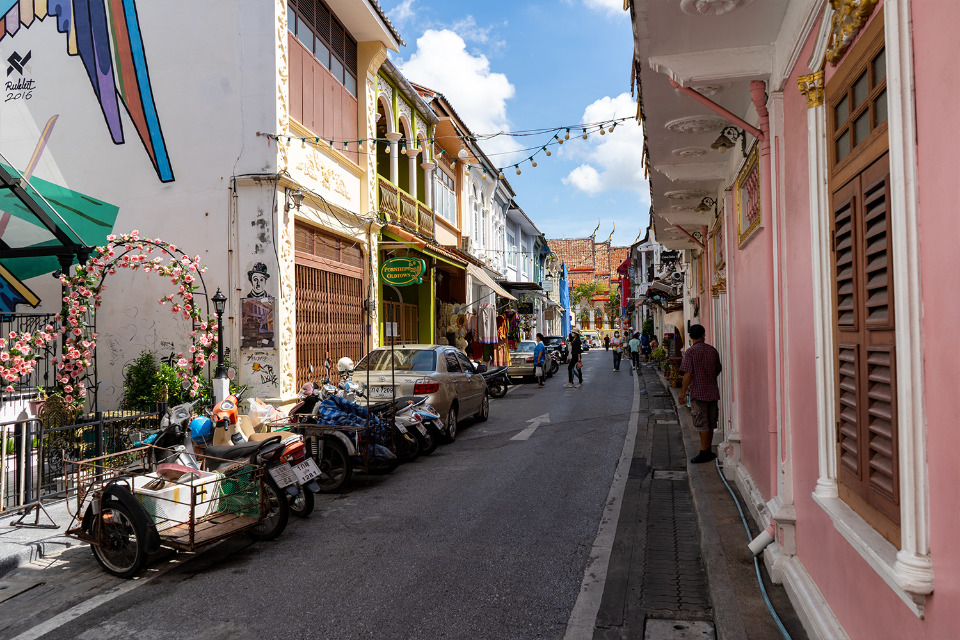
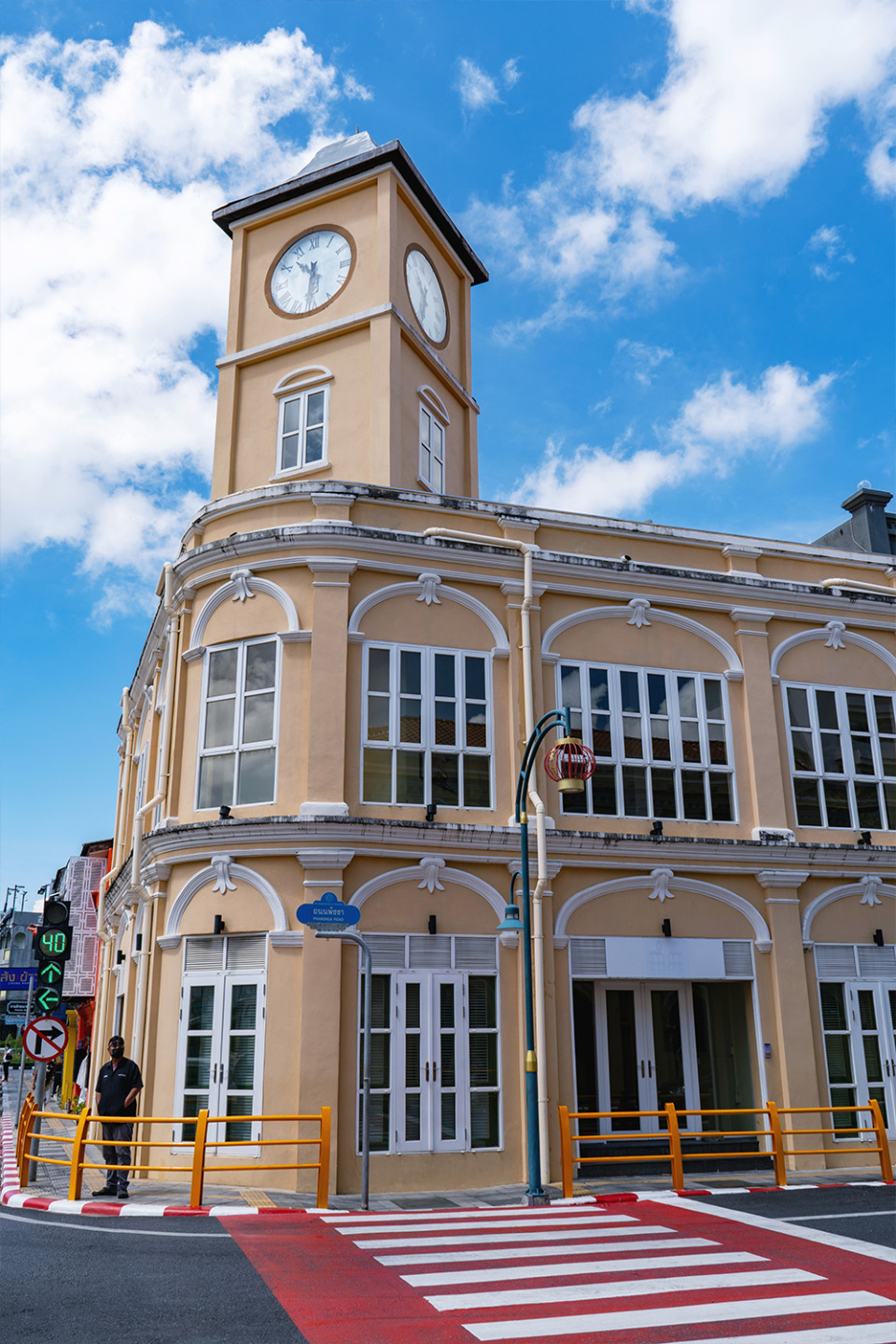
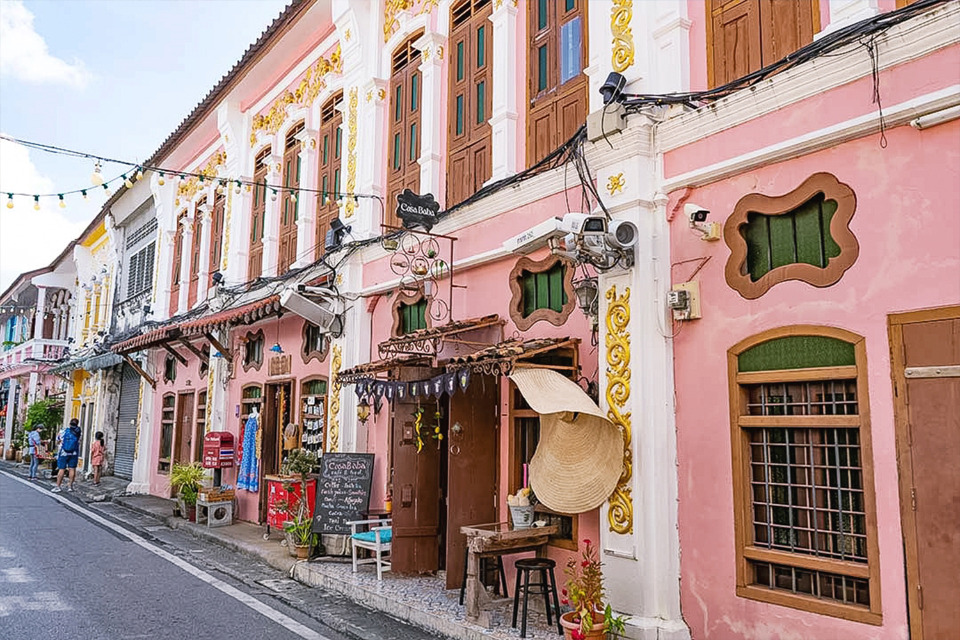
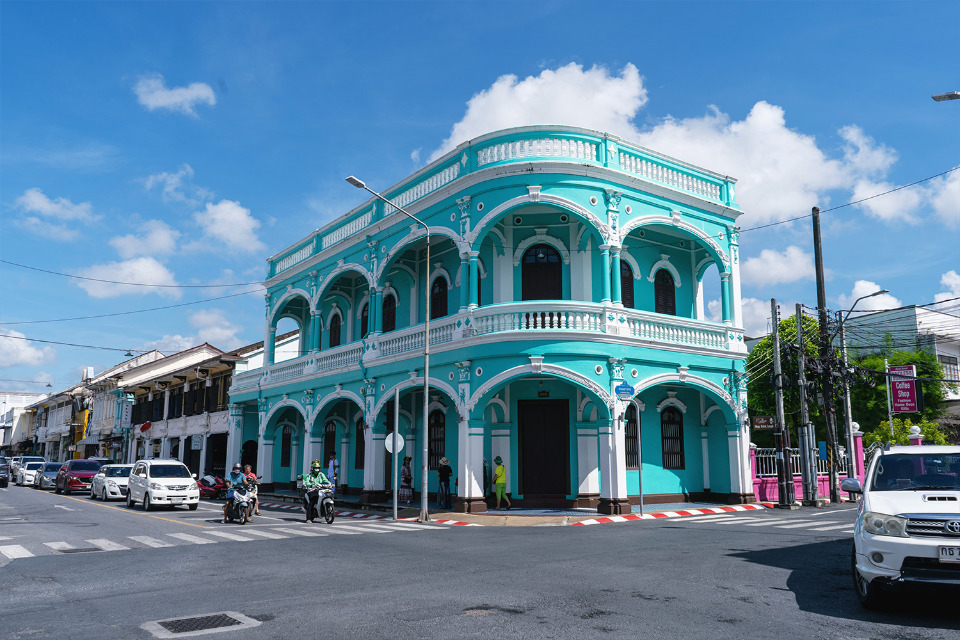
Phuket Old Town – The Island’s Cultural Spine
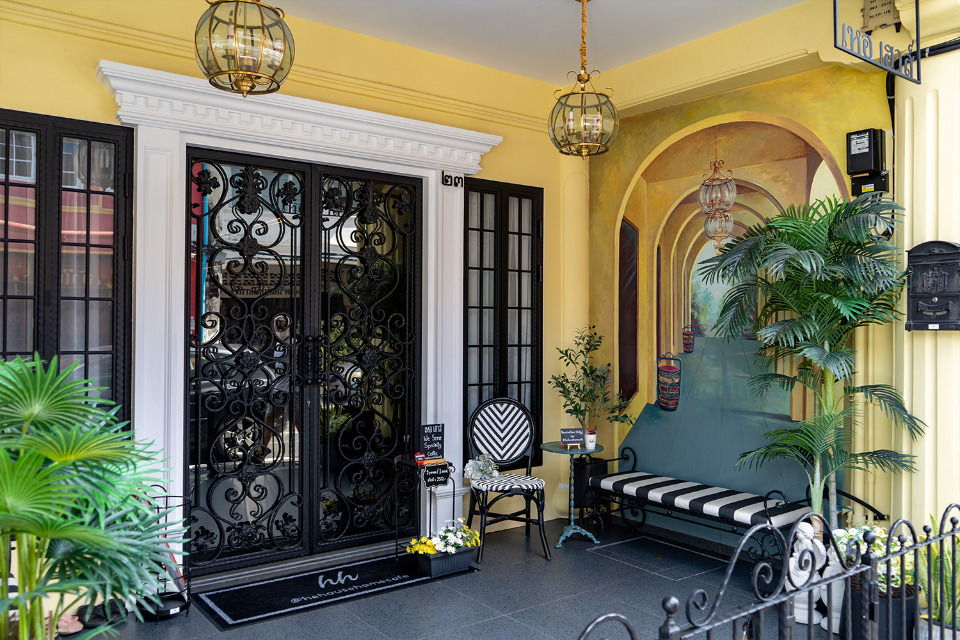
Morning has texture here: shutters creak open, coffee brews behind pastel walls, footsteps echo down centuryold corridors.
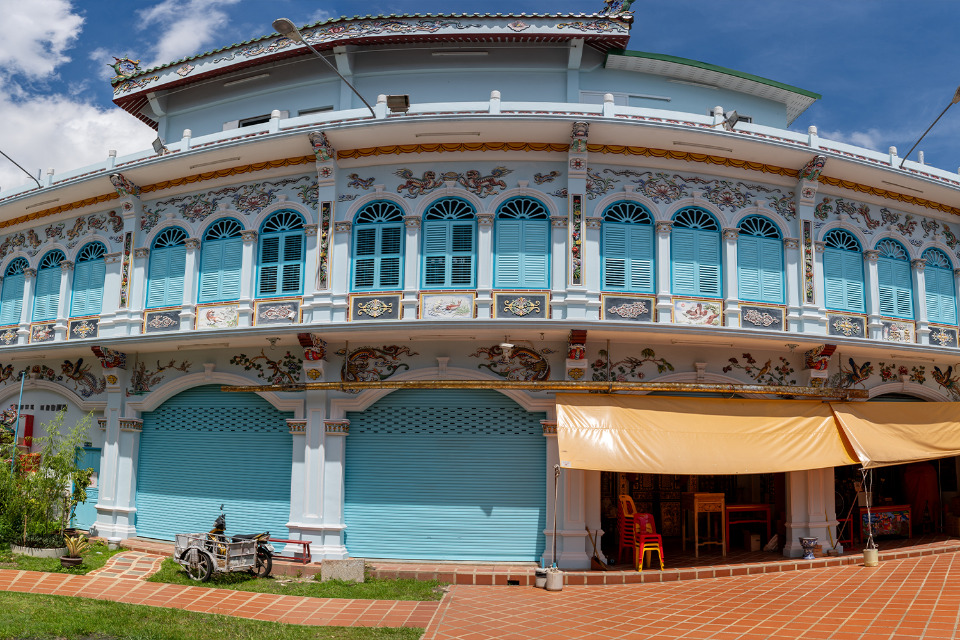
Thalang and Dibuk Roads form the heart of Sino-Portuguese heritage – tiled arcades, carved balconies and shopfronts reborn as cafés and galleries.
A Hokkien-descended shopkeeper says, “These walls still hold our ancestors’ laughter – now they echo with yours“
Phuket Old Town is the island’s memory dressed in colour.
Local Insight: Start at Queen Sirikit Park and follow shaded arcades to Soi Romanee – about one hour on foot.
Photographer’s Note: Capture façades just after 8 a.m., when soft light lifts pastel tones and shutters glow.
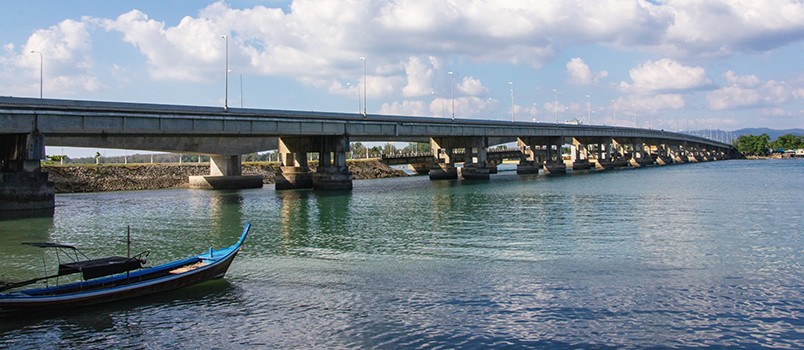
Sarasin Bridge – Gateway Between Islands and Lives
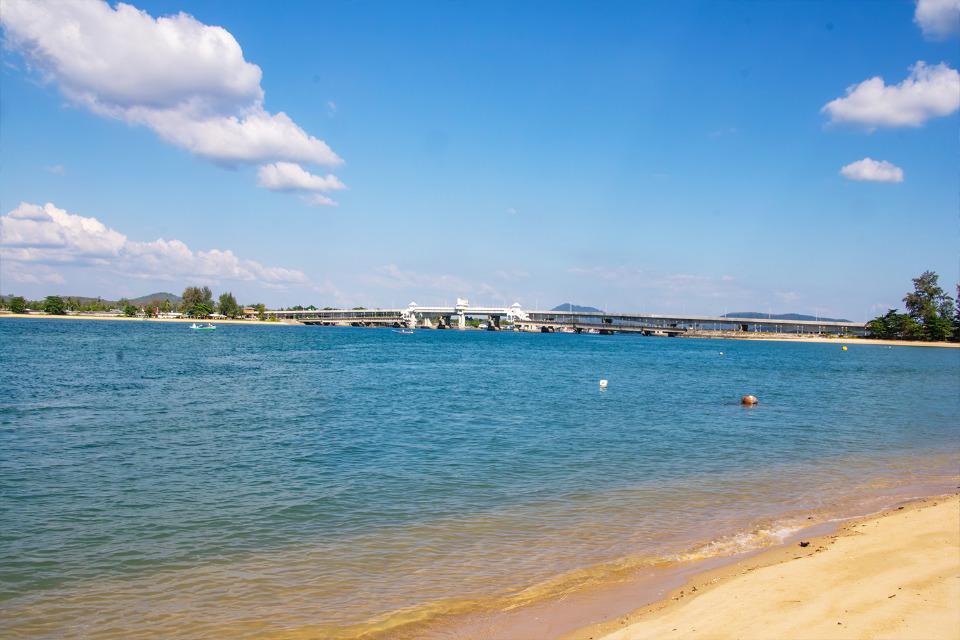
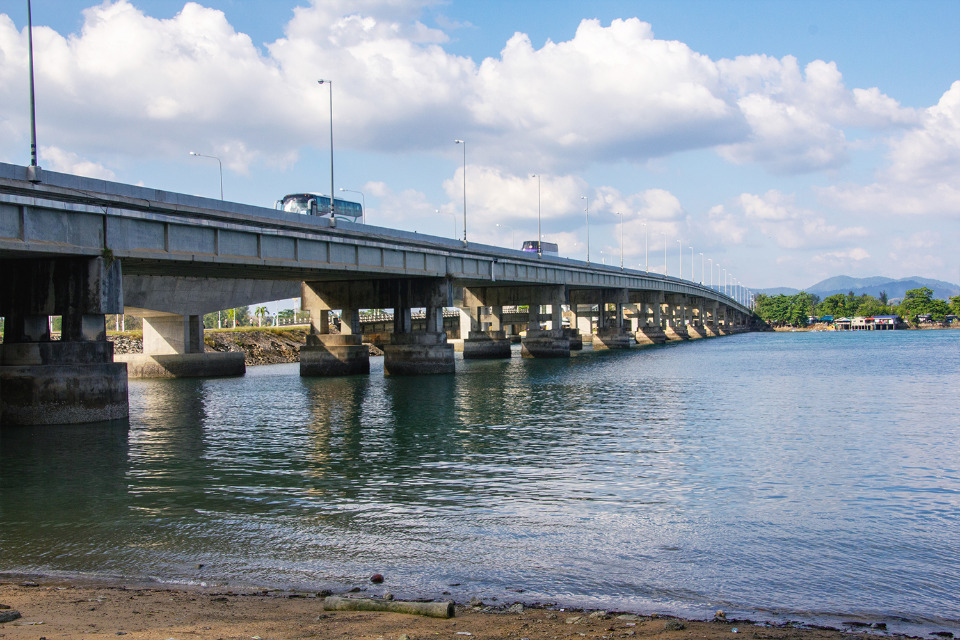
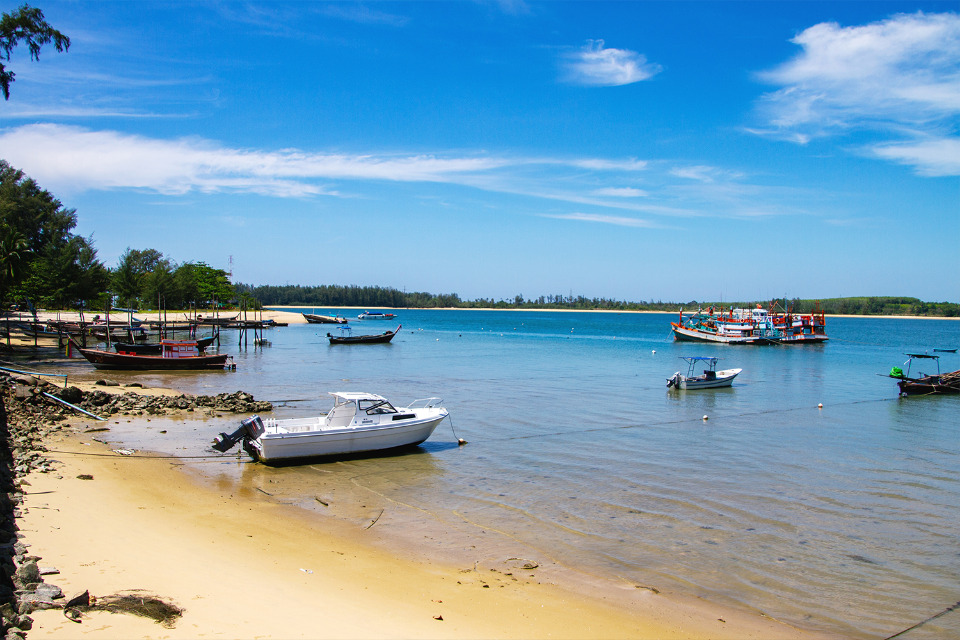
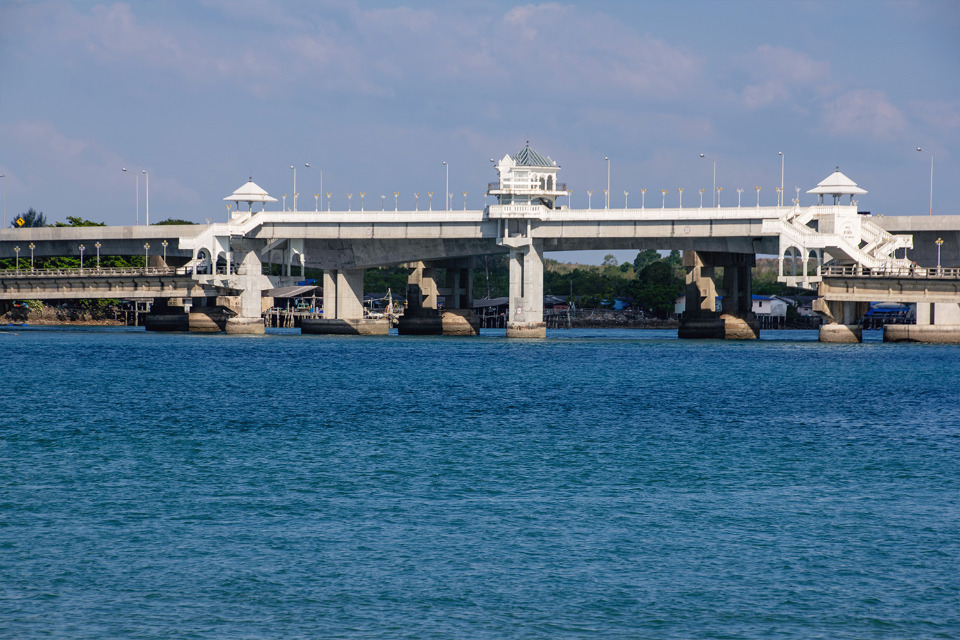
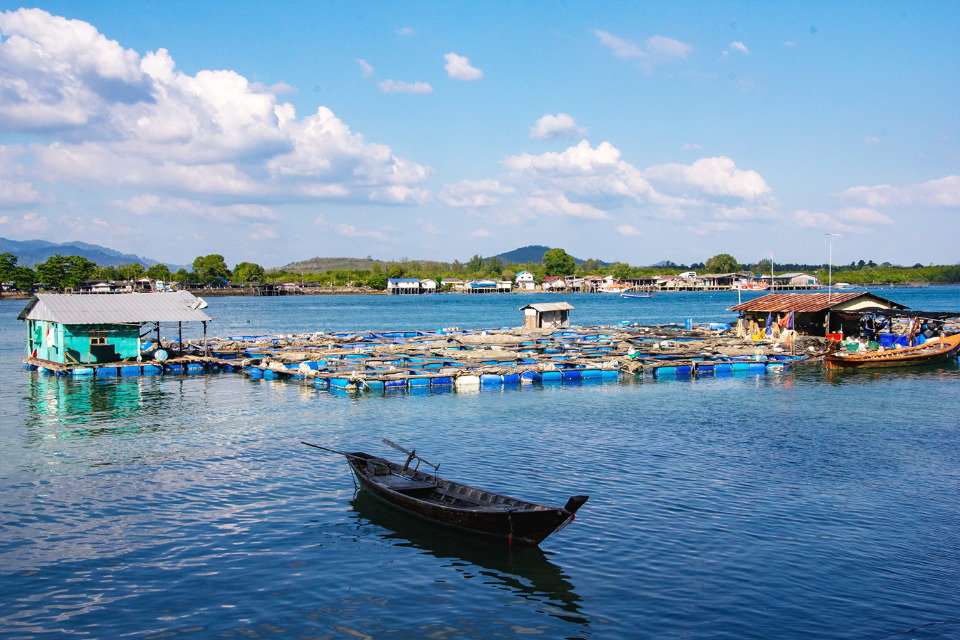
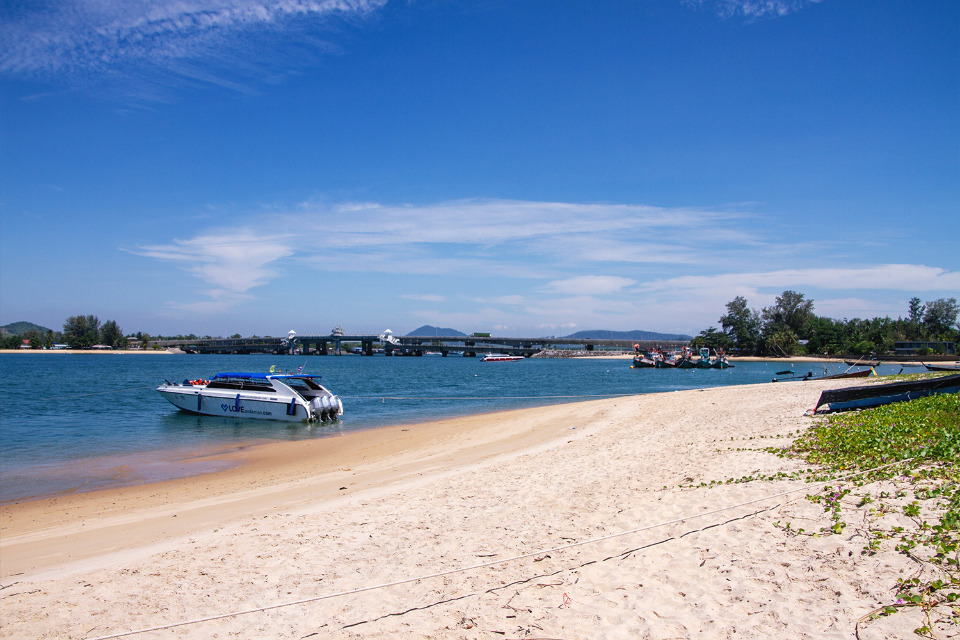
Every arrival begins here. The white arches of Sarasin Bridge rise above the narrow strait separating Phang Nga from Phuket, where saltwater meets sunlight and longtail boats drift beneath the spanning lanes.
At dawn, fishermen pull in their nets while monks collect alms. By midday, travellers stop for coffee and wind – the same breeze that carried traders and tin miners half a century ago.
Bridges shorten distance, but this one connects time – between old Phuket and what comes next.
Local insight: Cross at sunrise, about 20 minutes from the airport, to witness the alms ritual. Keep silent, offer respect and let the light welcome you.
Photographer’s note: Frame from the eastern arch – the strait mirrors the rising sun like liquid gold.
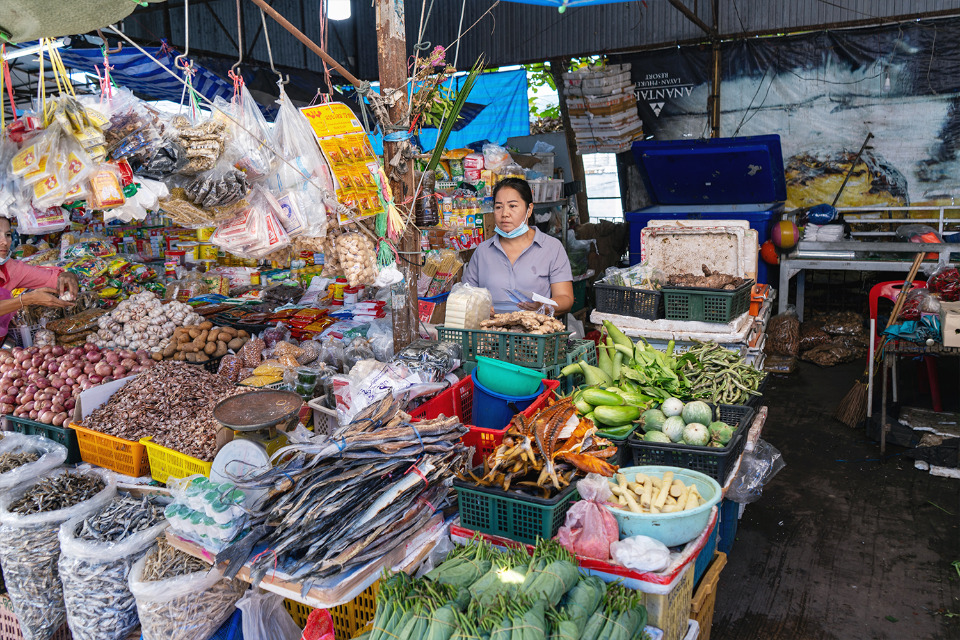
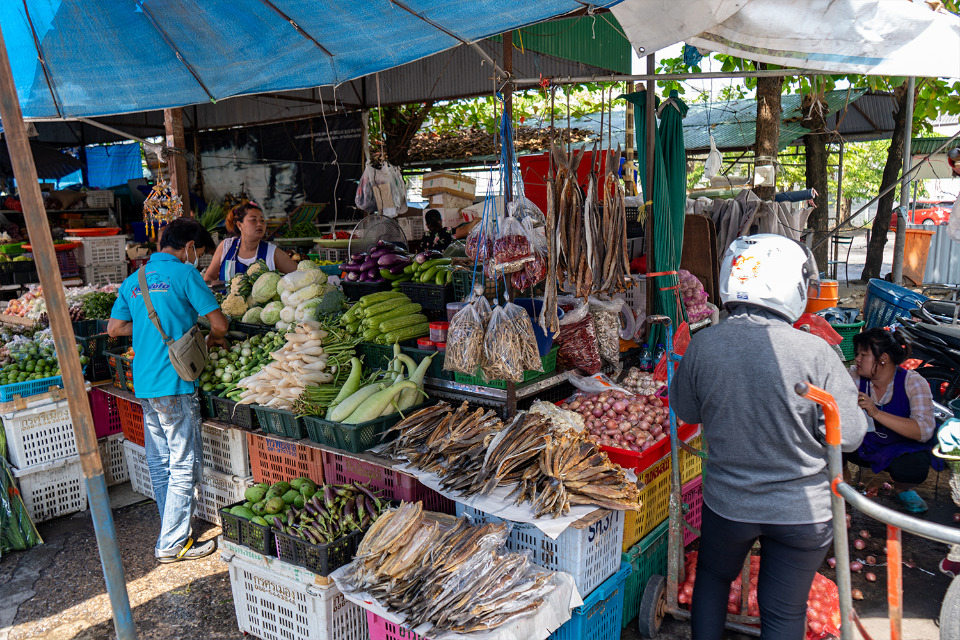
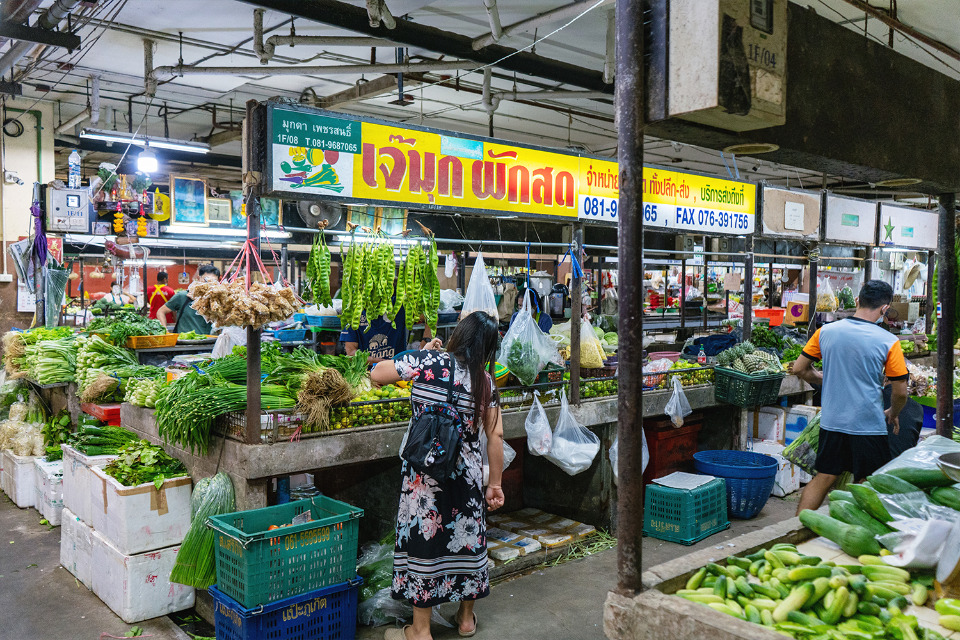
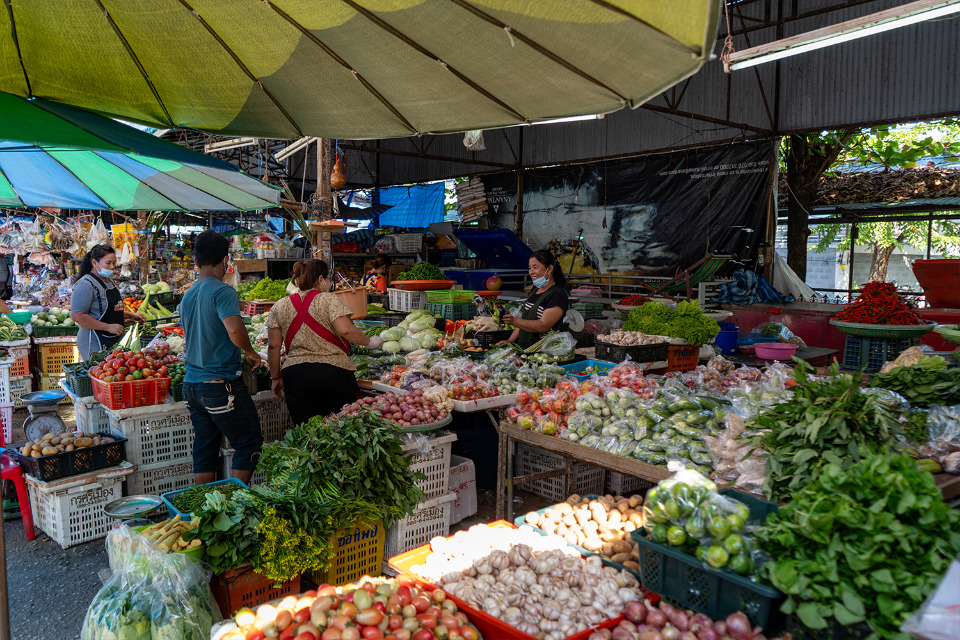
Ranong Main Market – The Island’s Daily Pulse
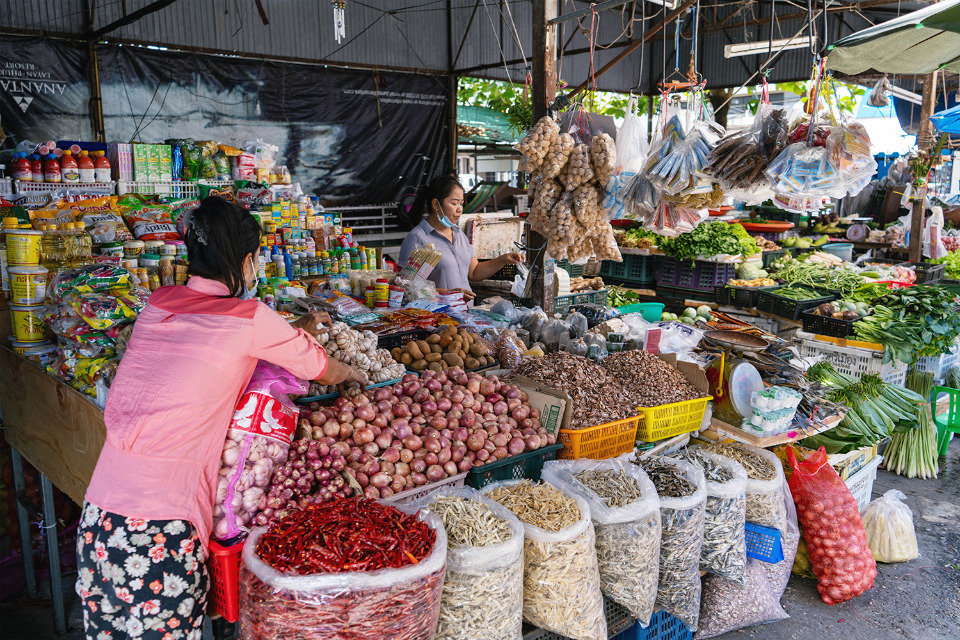
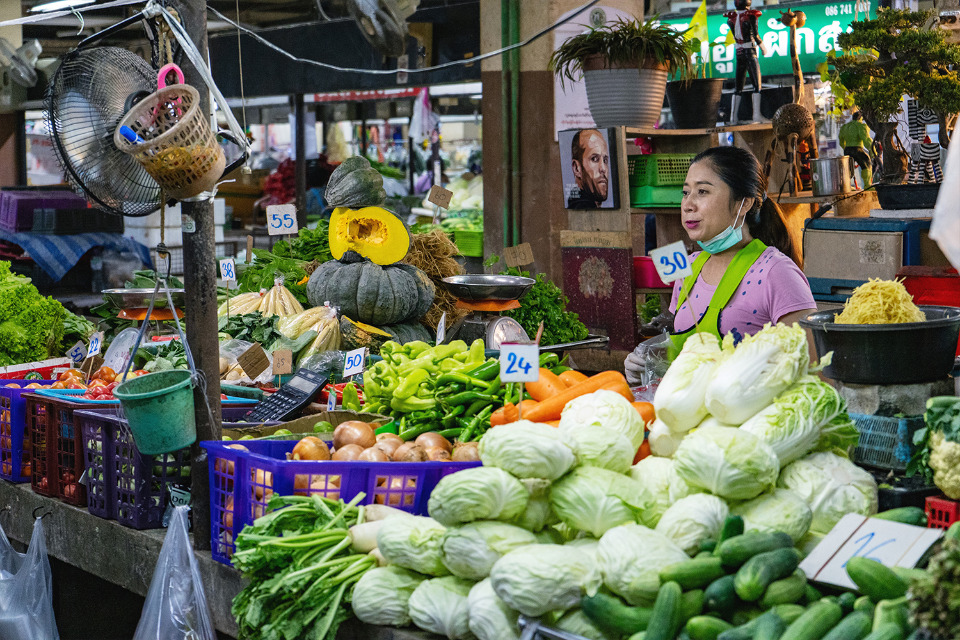
Before sunrise, Ranong Road wakes to the sound of vendors calling prices.
Fish from Phang Nga Bay, curry pastes, green mangoes and wet tiles that shine under neon – this is Phuket’s appetite made visible.
It isn’t postcard-beautiful. It’s better: alive, unfiltered, essential.
An old vendor laughs, “The market doesn’t sleep – every sale is tomorrow’s promise.”
Here, you learn more about how the island feeds and moves itself than any guidebook could show.
Local insight: Visit before 8 a.m. for peak rhythm and local breakfast. Bargain gently – it’s part of the ritual.
Photographer’s note: Use the central aisle for leading lines. Reflections on wet tiles turn morning chaos into a composition.
Wat Chalong – The Island’s Heartbeat
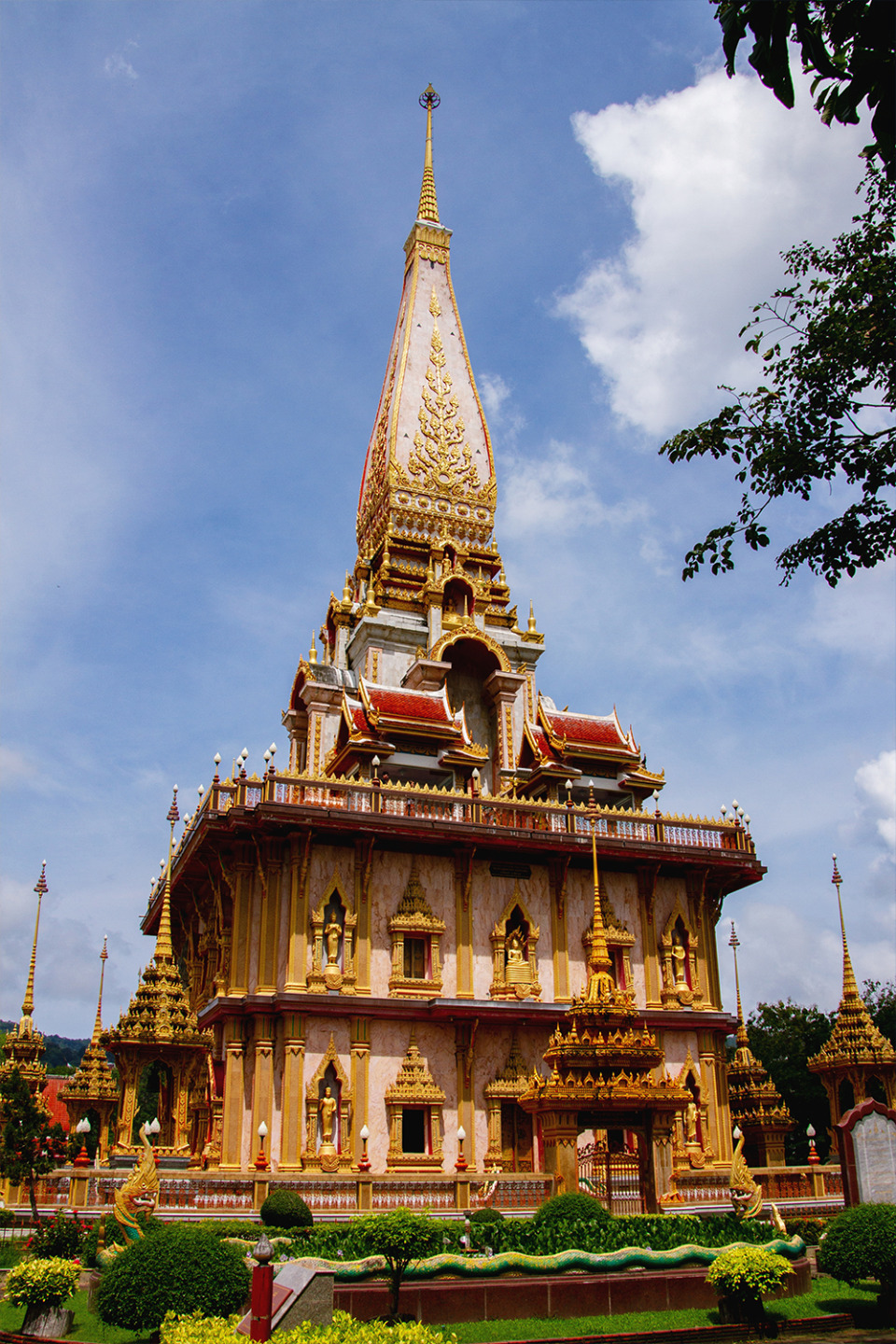
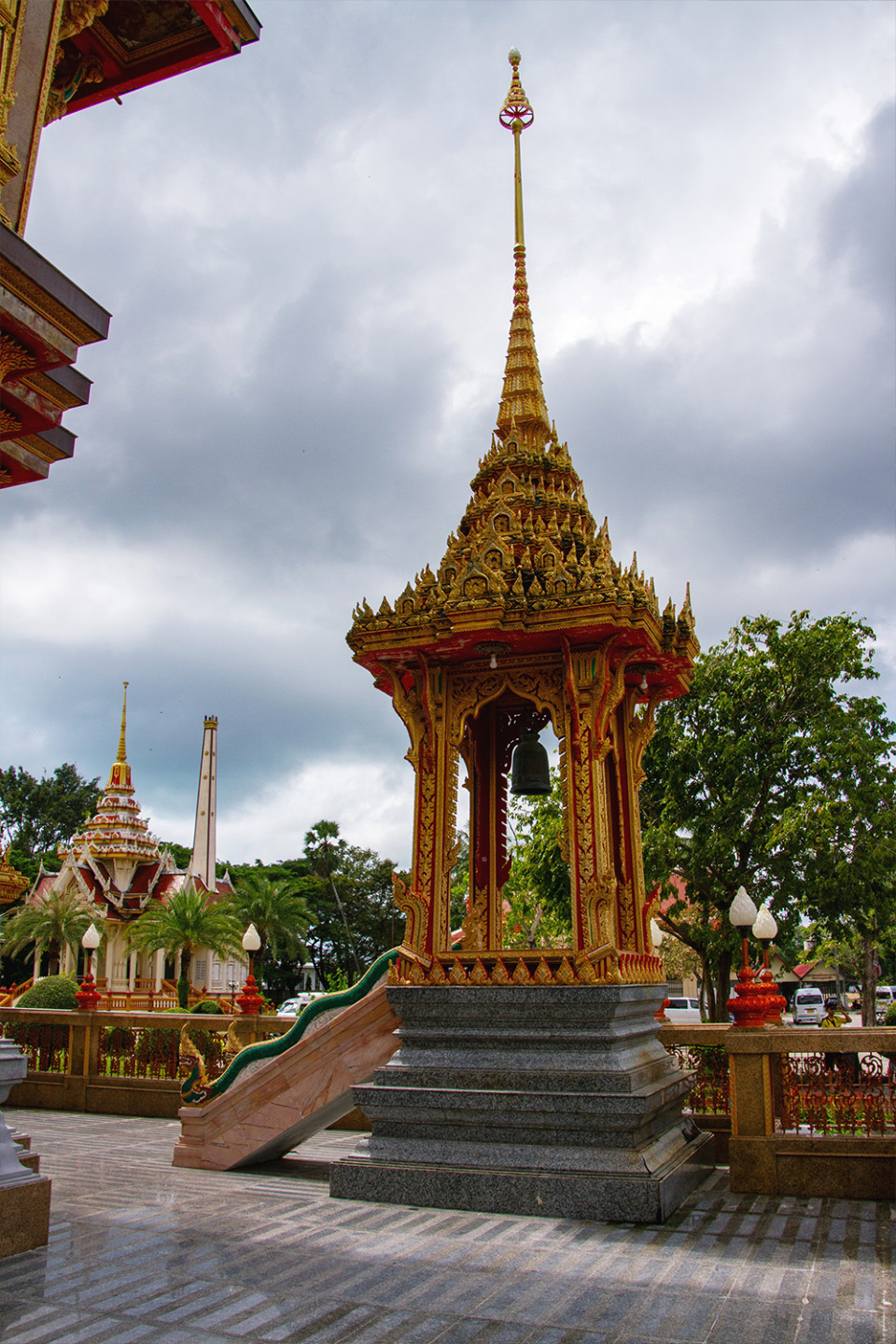
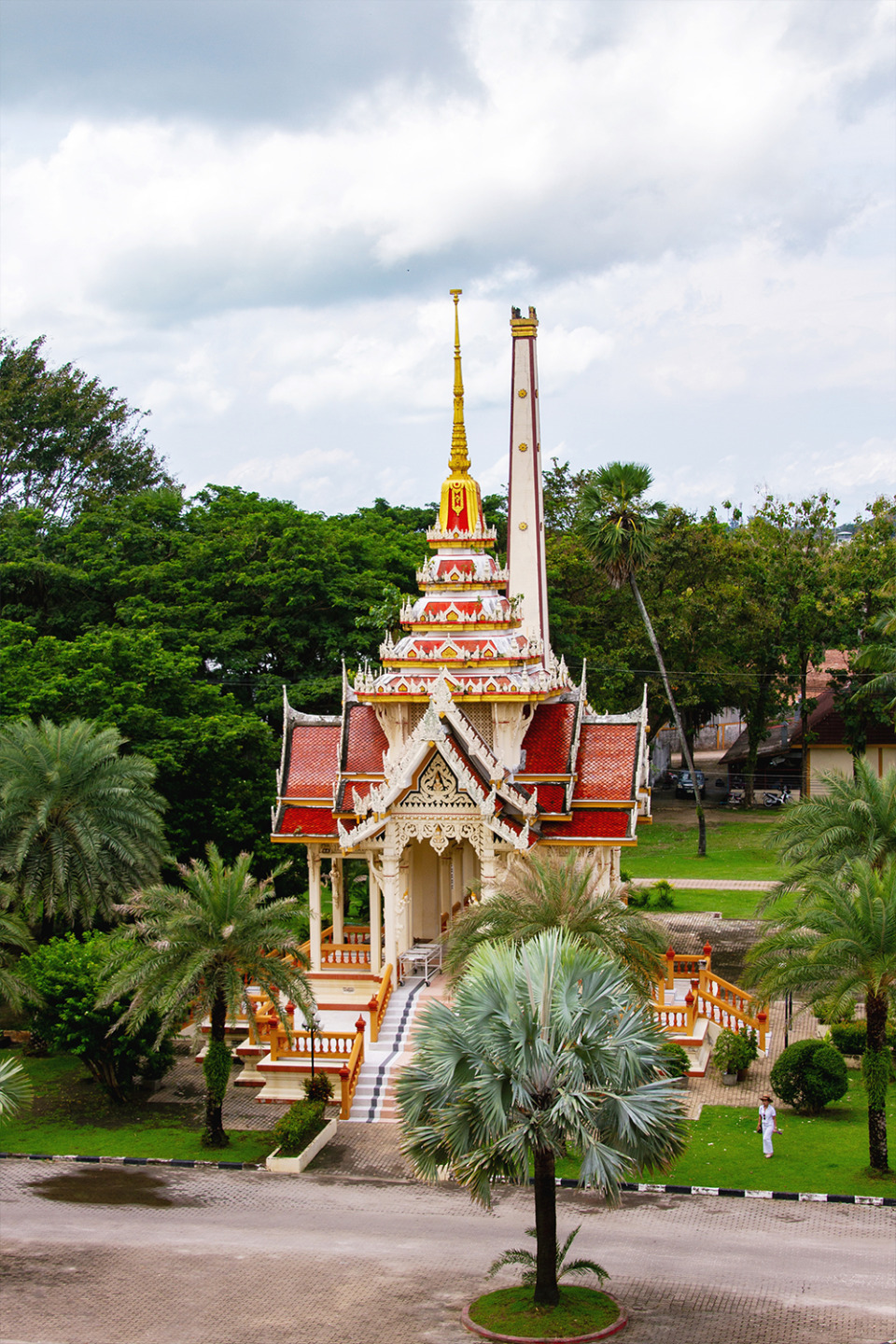
At the island’s center, incense thickens the air. Wat Chalong’s spires catch the sun like something sacred – which, here, it is.
Built in the late 19th century and still alive with prayer, it remains Phuket’s spiritual axis.
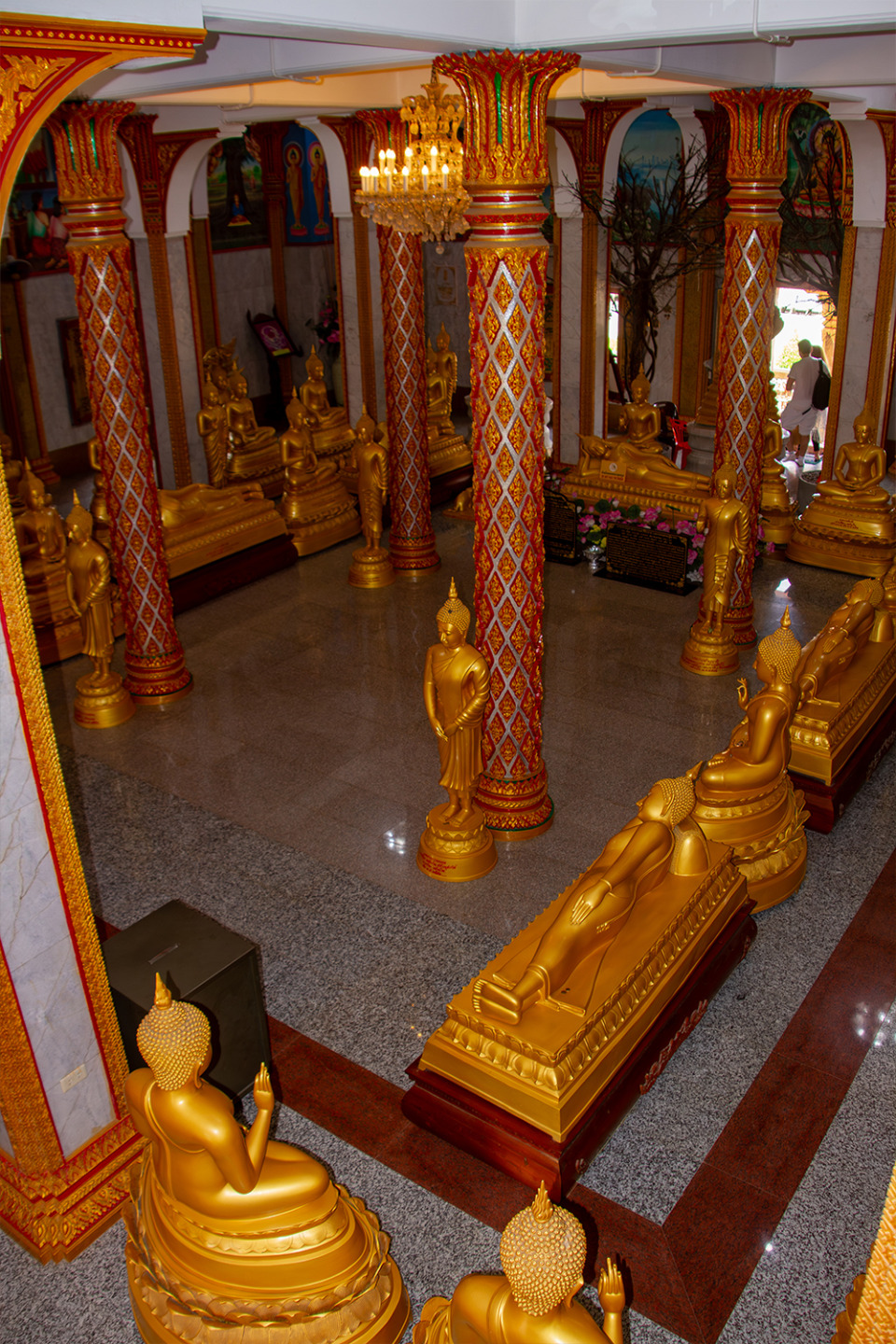
Bells echo through courtyards; murals tell stories of healing and endurance.
A local monk reminds visitors, “We come not to escape the world, but to remember its balance.”
Local insight: Dress modestly and walk softly. Offer a lotus with your candle – a simple act of balance.
Photographer’s note: The golden spire at vespers, blurred through incense haze – bells fading beyond the frame.
Khao Khad Viewpoint – Panwa’s Elevated Panorama
From temple calm to elevation.
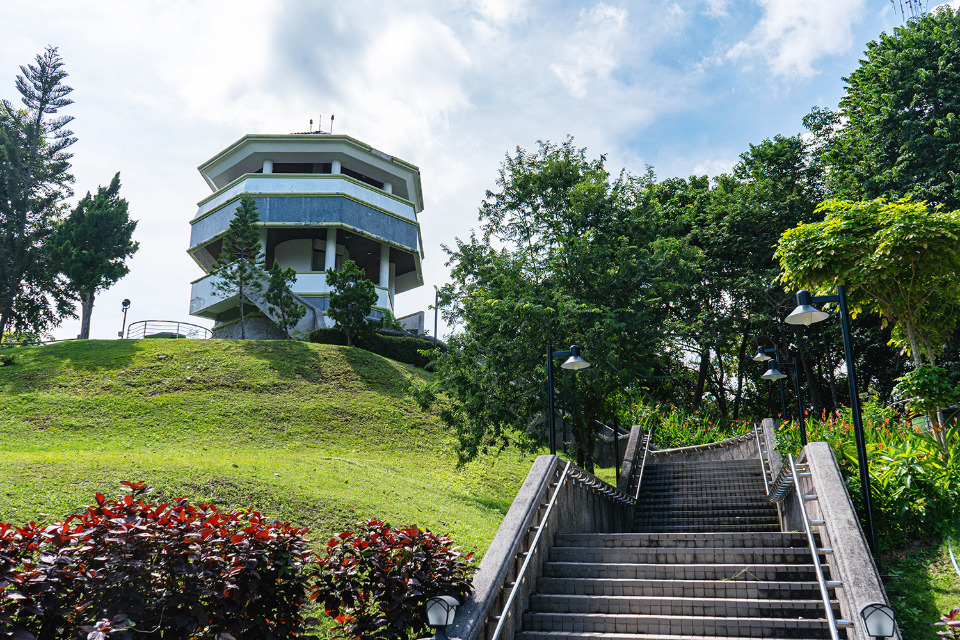
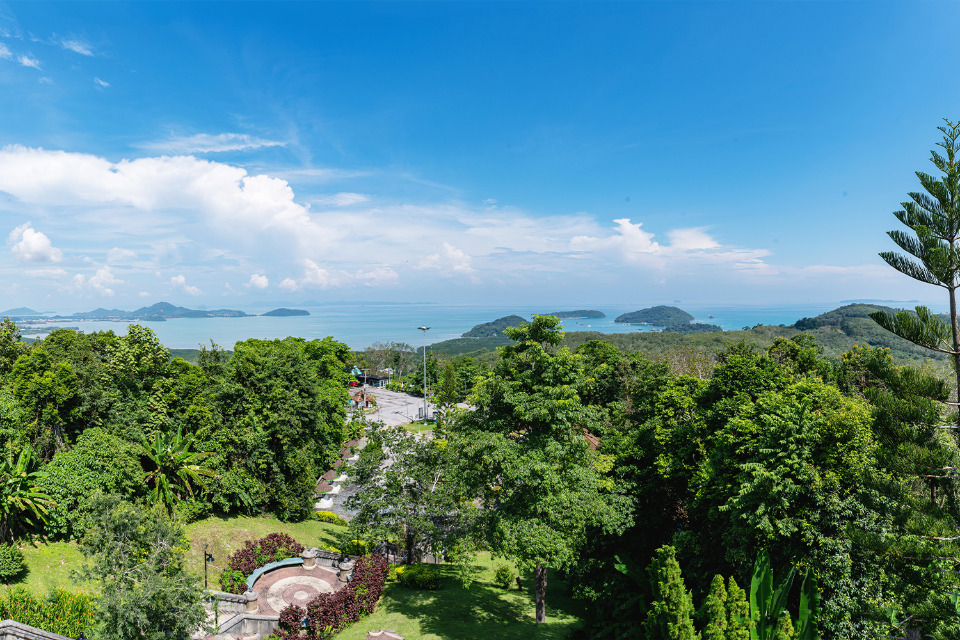
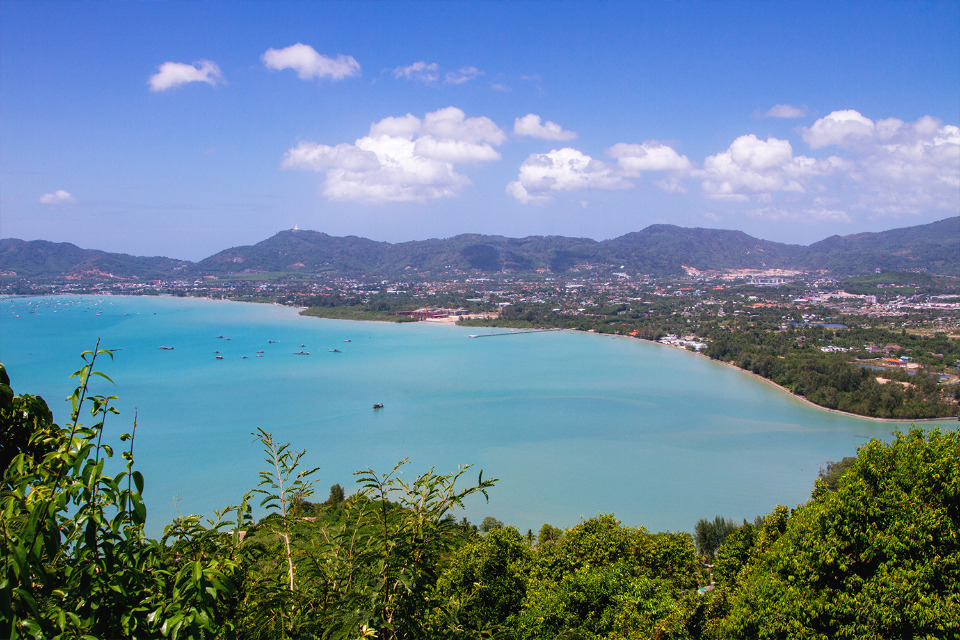
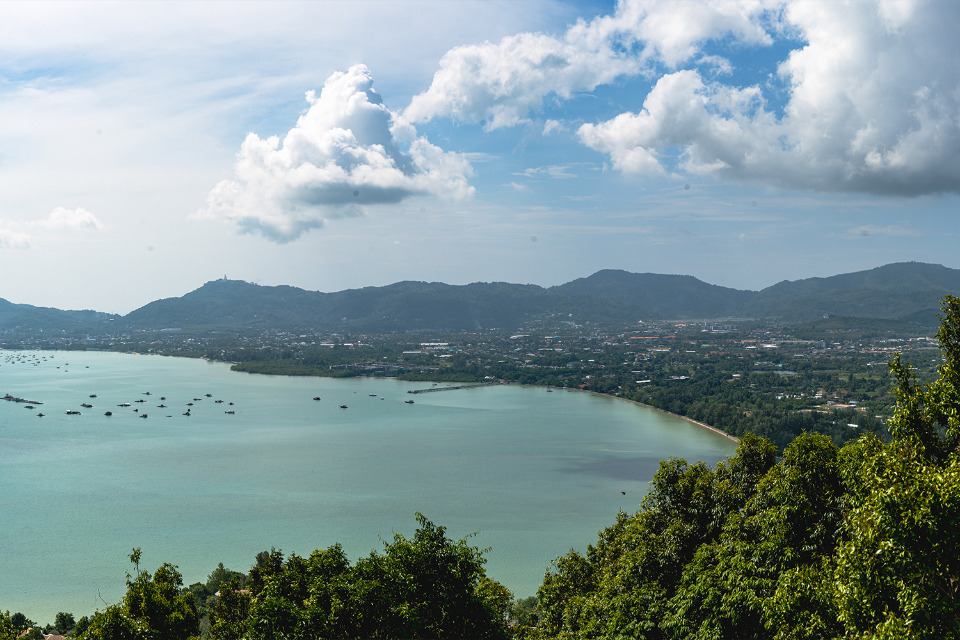
Khao Khad rises above Cape Panwa, its circular tower revealing 360-degree views of Phang Nga Bay and the islands scattered like beads.
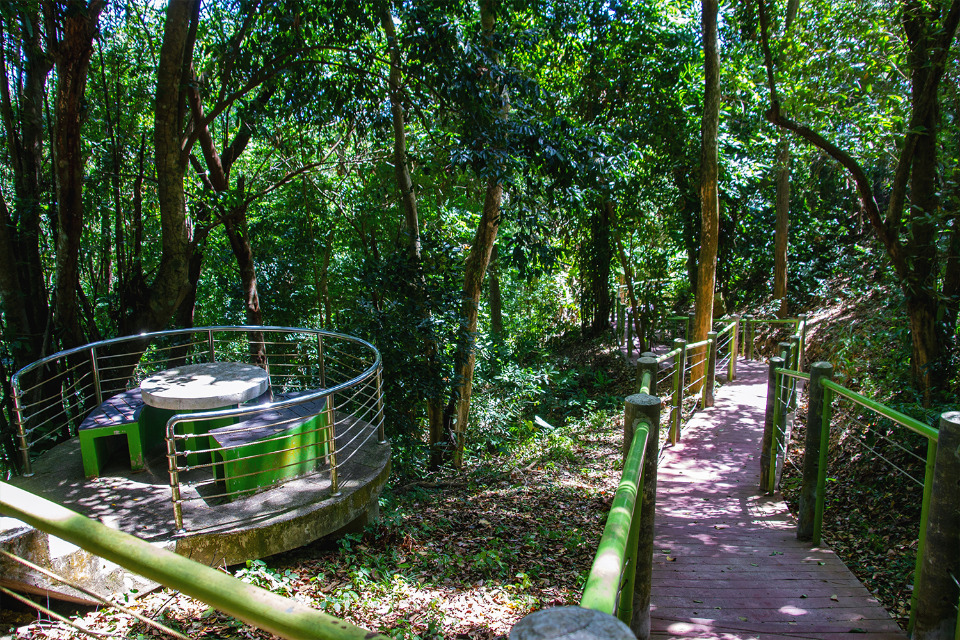
Few visitors climb the 136 shaded steps, yet from the top, Phuket feels whole.
Here, the wind shifts – east to silence, west to light.
Local insight: Take Route 4129 from Phuket Town; the small café near the tower serves local coffee and coconut ice. Carpool or rent an electric to keep it quiet.
Photographer’s note: From 16:30, use a high vantage or drone to frame the tower’s shadow curving across the bay.
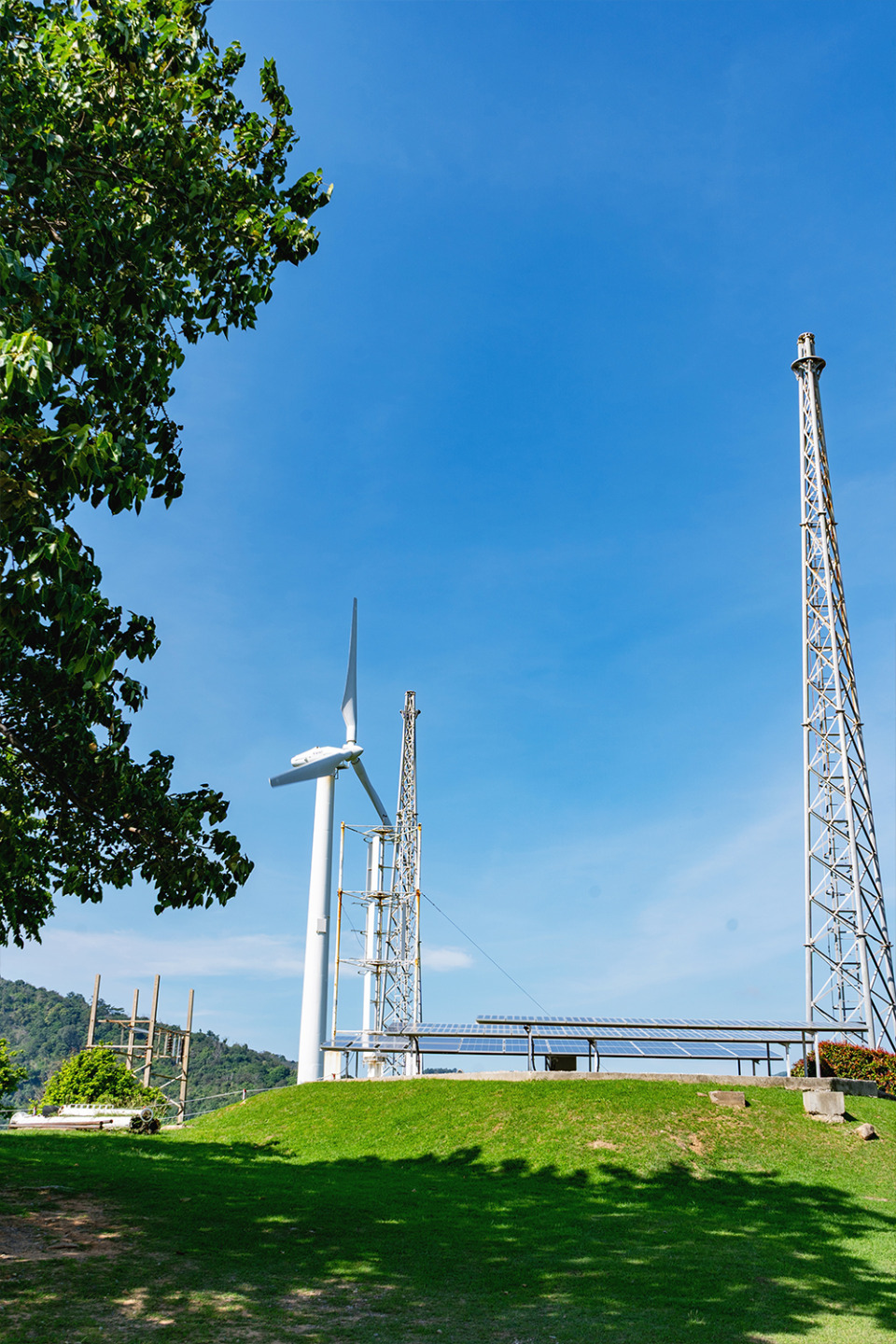
Windmill Viewpoint – Between Sky and Sea
The southern road narrows and the sky opens.
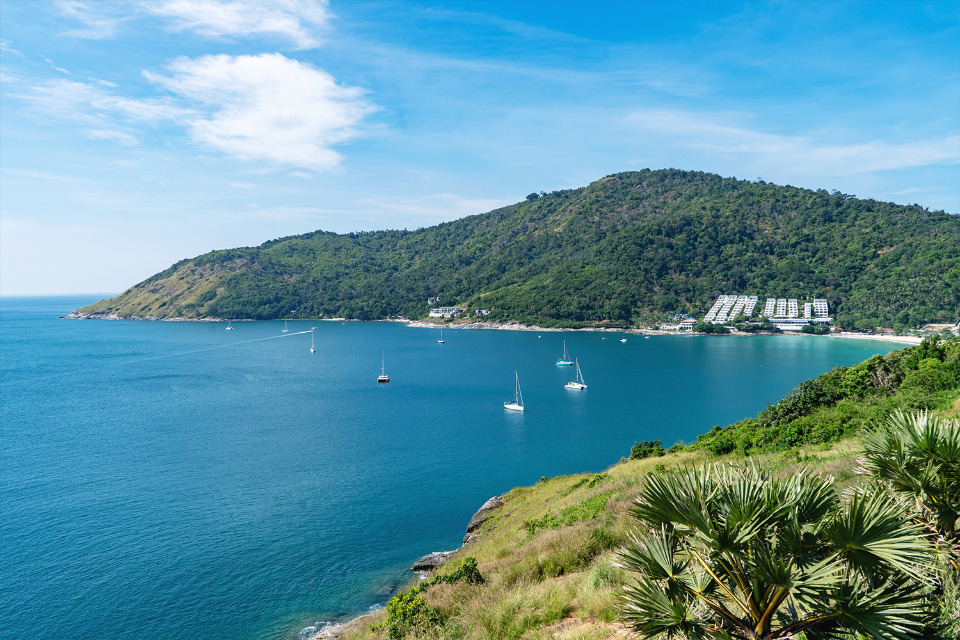
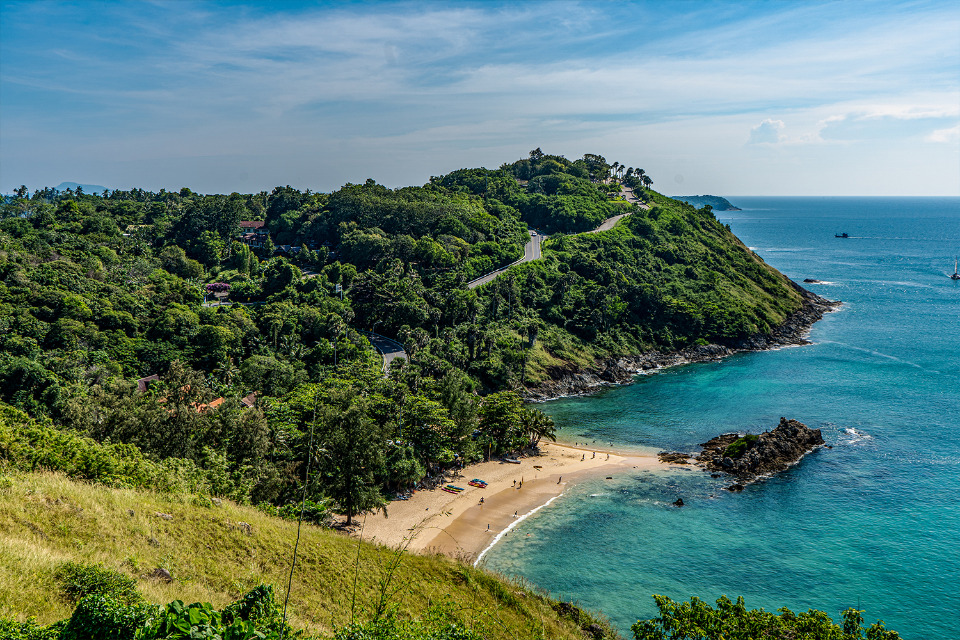
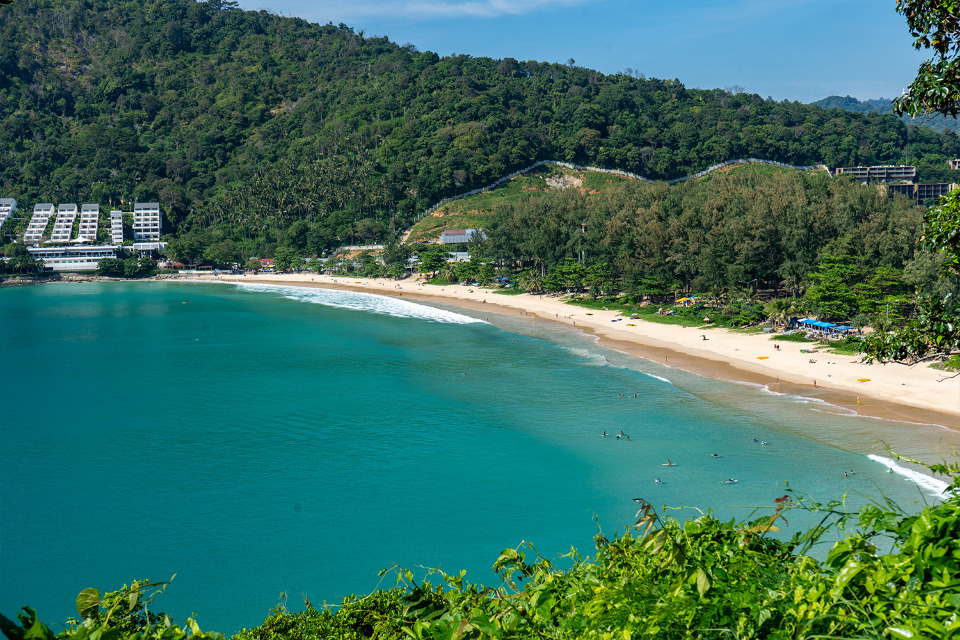
Above Nai Harn Bay, a single white turbine turns slowly in the wind – the island’s quiet emblem of balance.
Below, yachts anchor like pearls and paragliders drift in wide arcs.
It feels like standing in the middle of the island’s breath – between sky and sea, movement and pause.
Local insight: Arrive near golden hour. Walk past the fence for a quiet view; the sound of the wind replaces all else.
Photographer’s note: From the cliff edge, frame Nai Harn’s turquoise curve beneath the turbine; use a polarizer for water contrast.
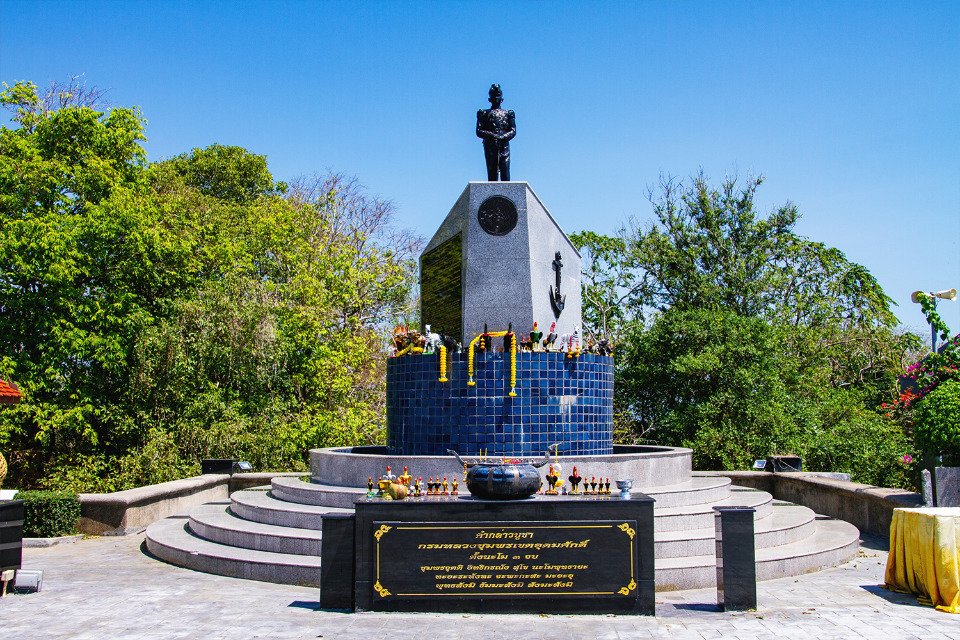
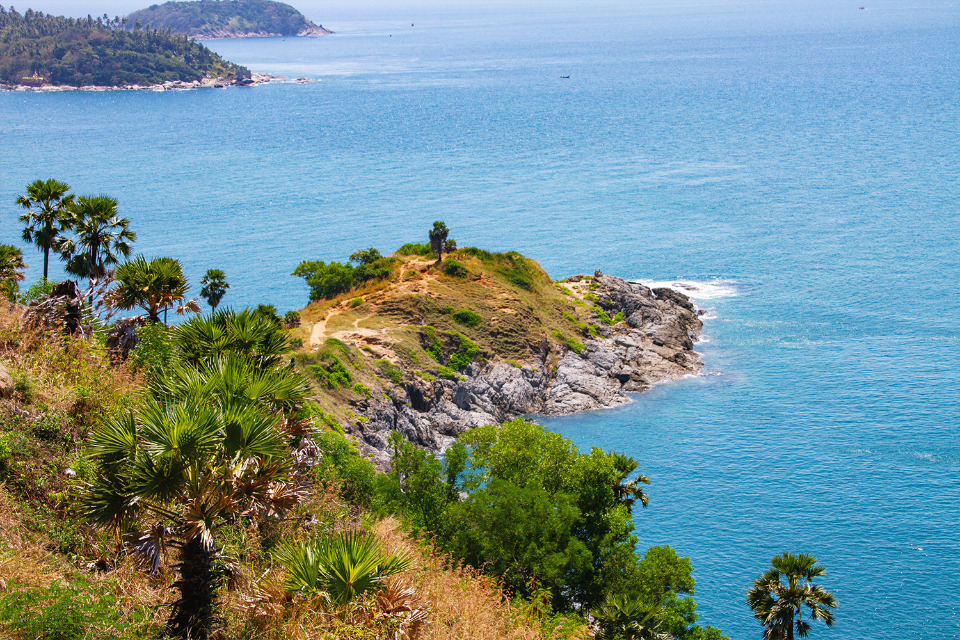
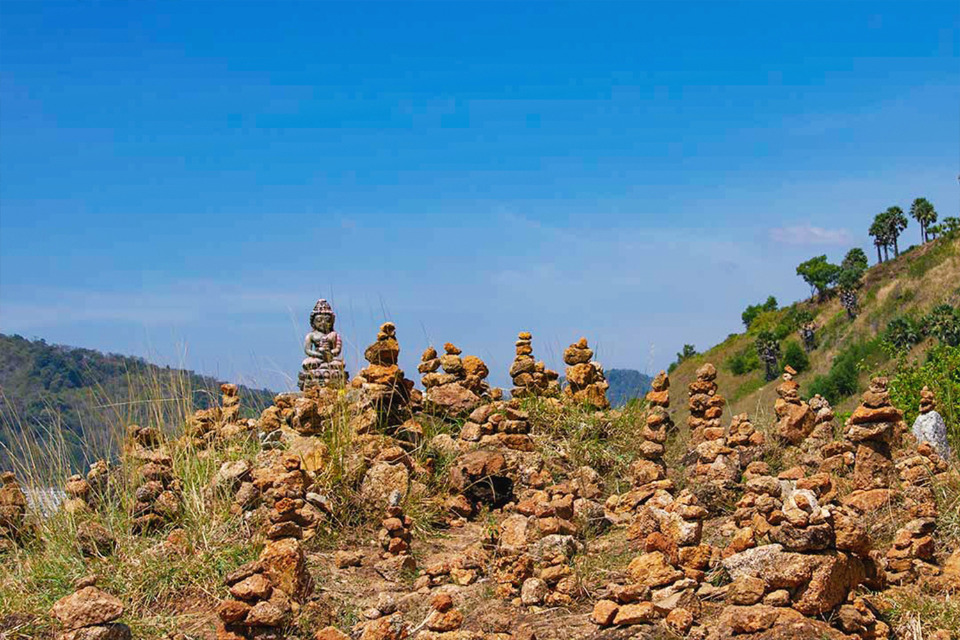
Promthep Cape – Where Phuket Ends and the Sea Begins
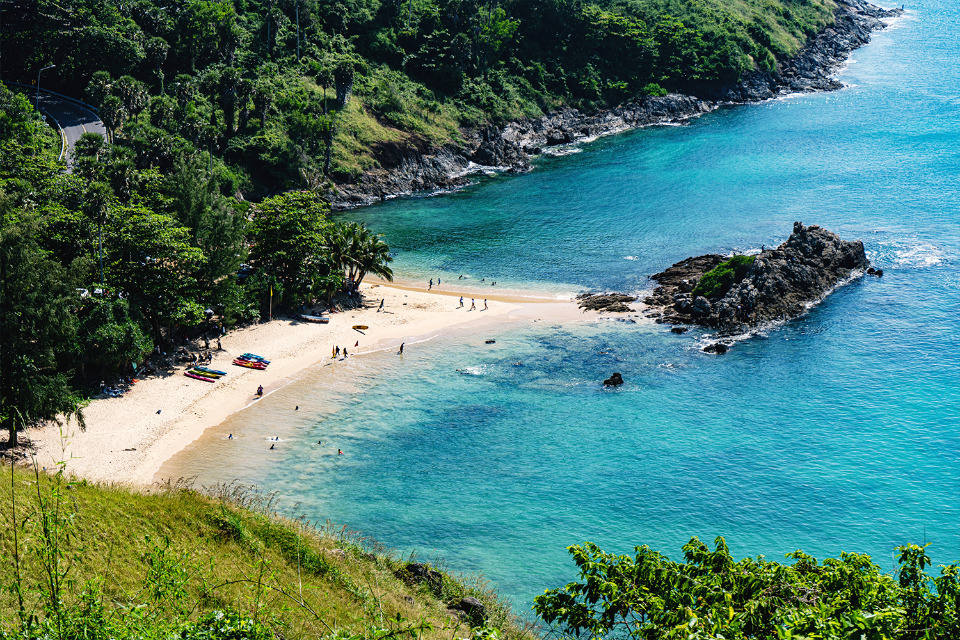
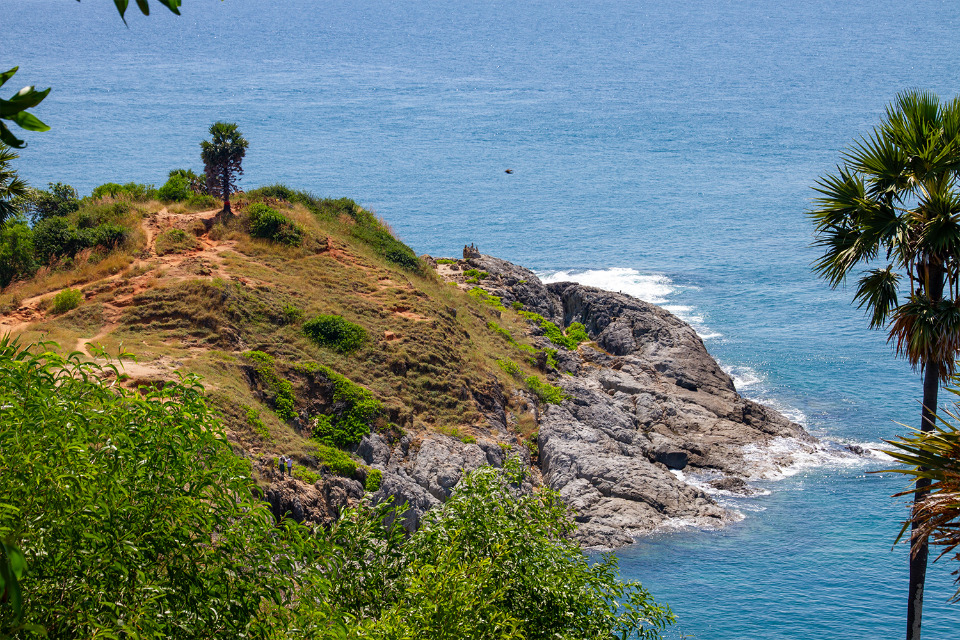
At the island’s southern tip, the land narrows into a ridge of wind-whipped palms and volcanic stone.
Promthep Cape is Phuket’s exhale – the place where journeys, both spiritual and physical, meet their horizon.
As the sun drops, applause rises – a simple human cheer for something greater than words.
No one owns this view. That’s why it matters.
Local insight: Arrive before five for a perch on the rocks. Bring patience for wind and people – both are part of the ritual.
Photographer’s note: Palms in silhouette against the last blaze of light – the Andaman swallowing the day whole.
Closing – The Rhythm Beneath the Map
Phuket’s beauty has always been visible. What’s harder to see – and worth seeking – is its rhythm: the hum of a bridge, the hush of a temple, the market’s morning breath.
From the bridge of beginnings to the cape of endings, the island tells a single story – that balance isn’t found, it’s remembered.
Circle the island once, and you’ll know its geography.
Circle it twice, and you’ll understand its soul.
And wherever you stop, leave only footprints – and the silence that lets the island speak back.
by Mads D, Photographer & Explorer
Learn more about Mads D KamalaBeachEstate.com/mads-d





Visit our other website











 GO TO TOP