




Phuket is often read through its beaches, resorts and old streets, yet another map of the island survives in plain sight.
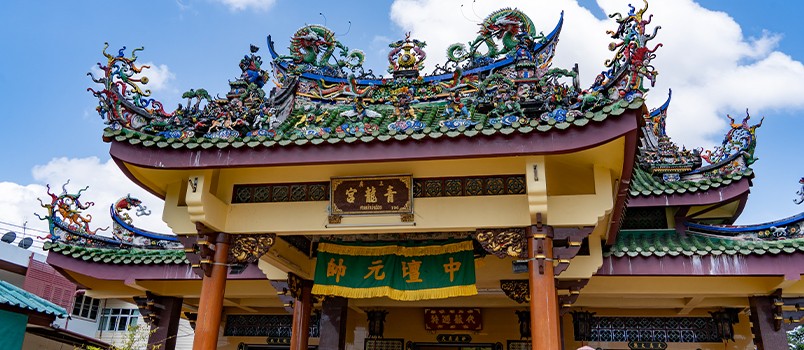
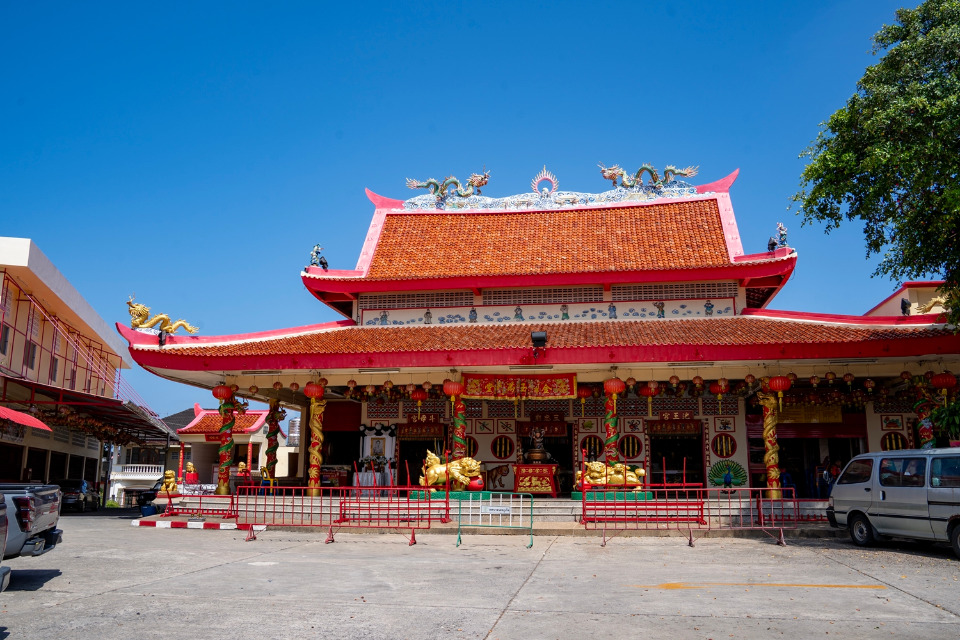 San Chao Bang Neow
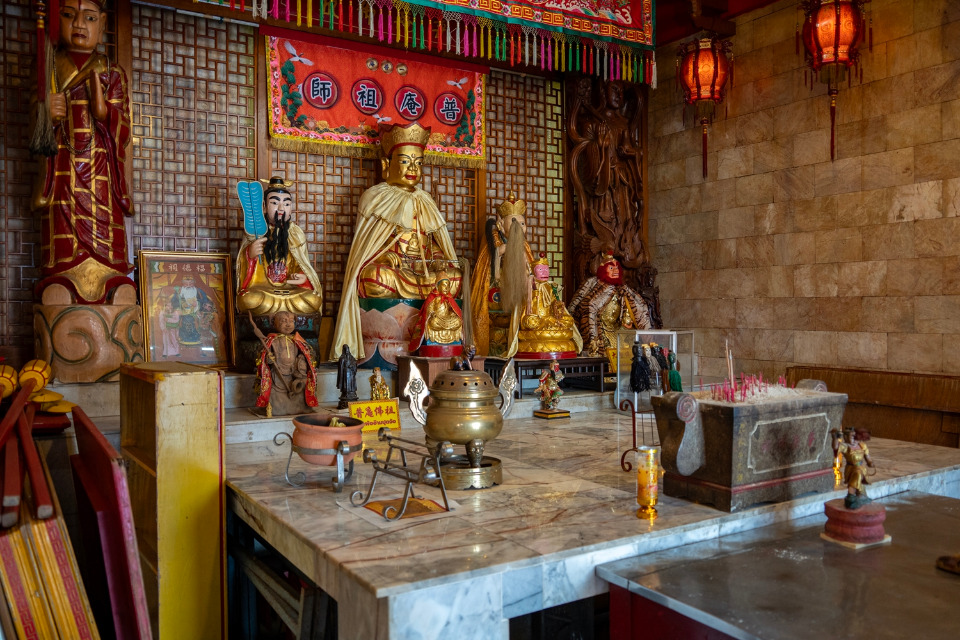 San Chao Bang Neow
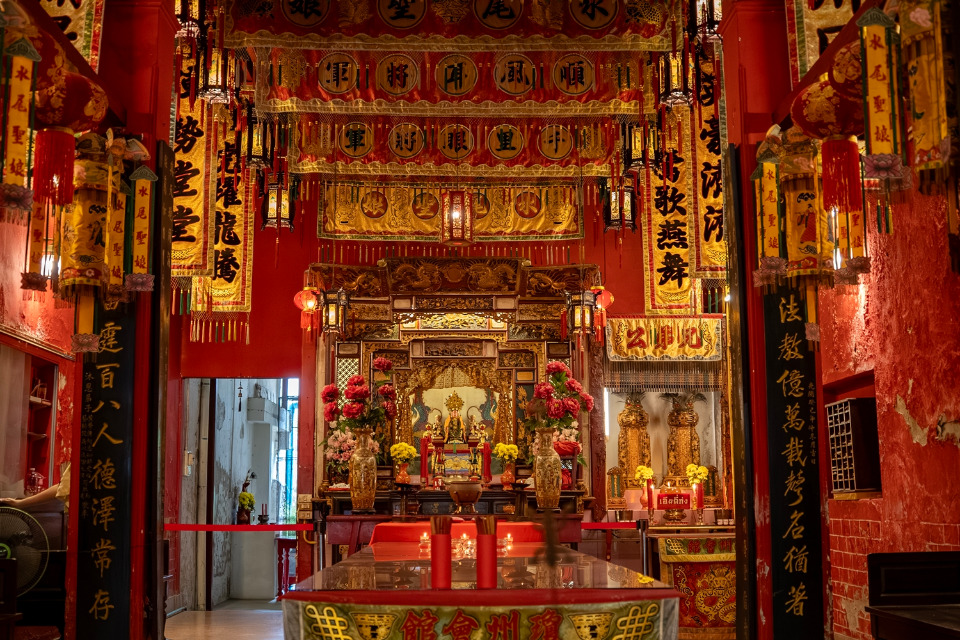 San Chao Hainan
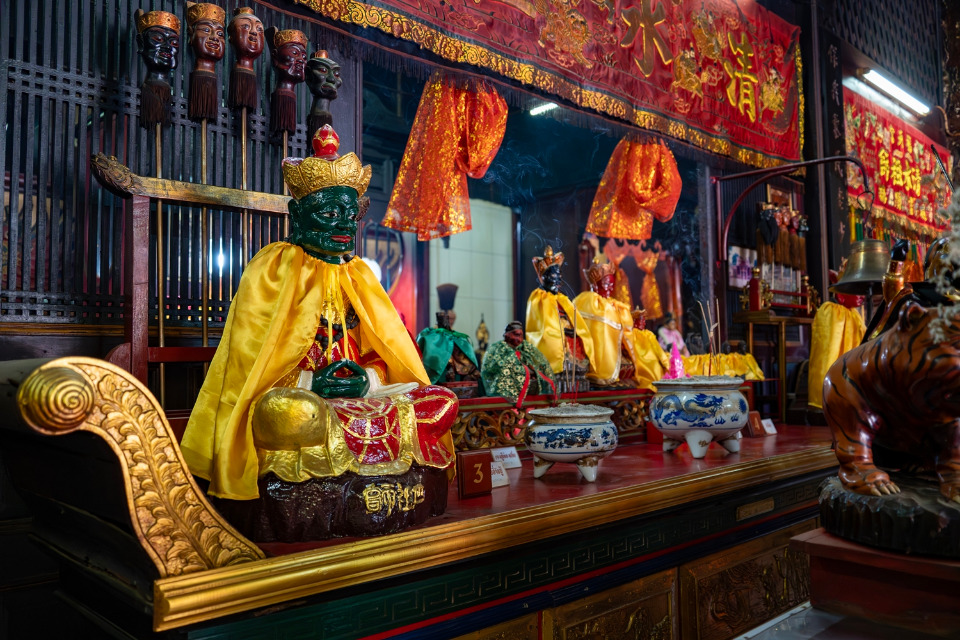 San Chao Hok Nguan Kong
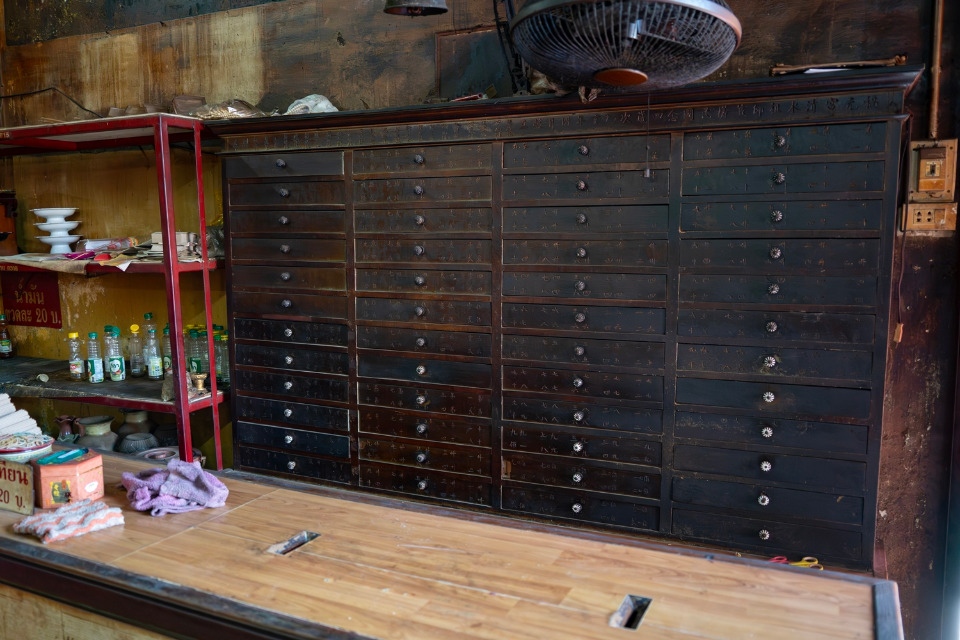 San Chao Hok Nguan Kong
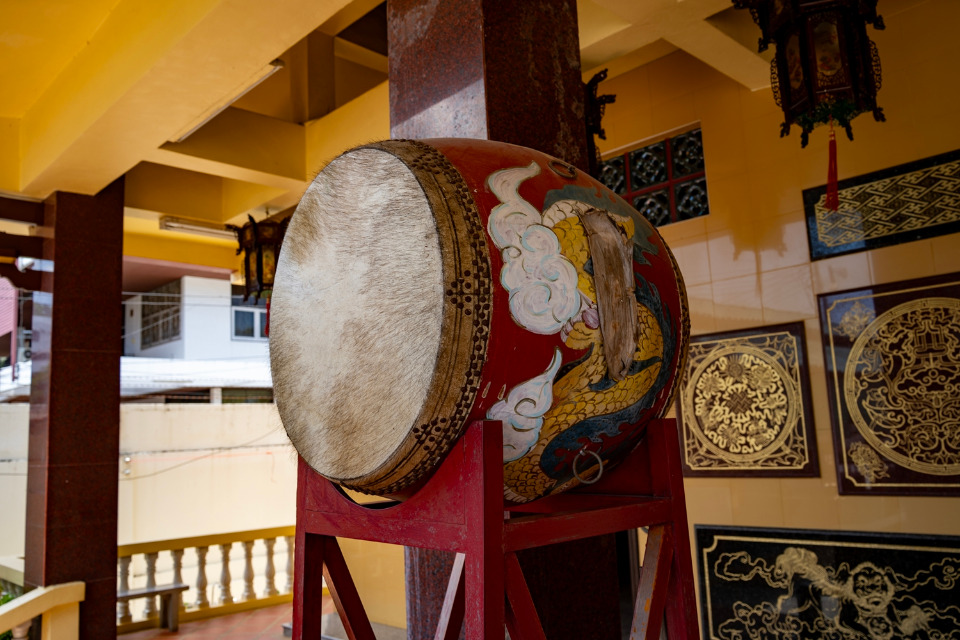 San Chao Jeng Ong
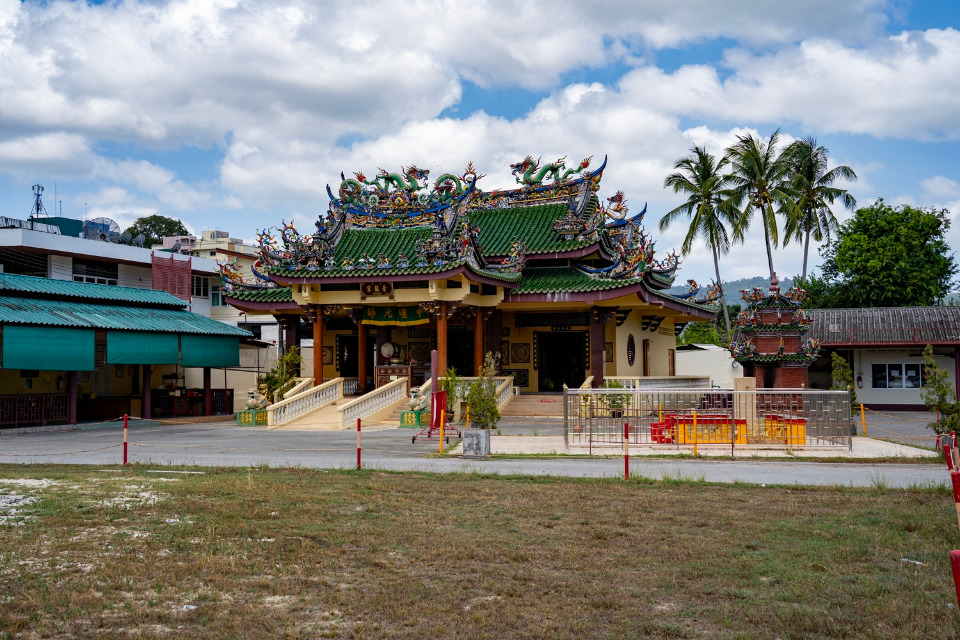 San Chao Jeng Ong
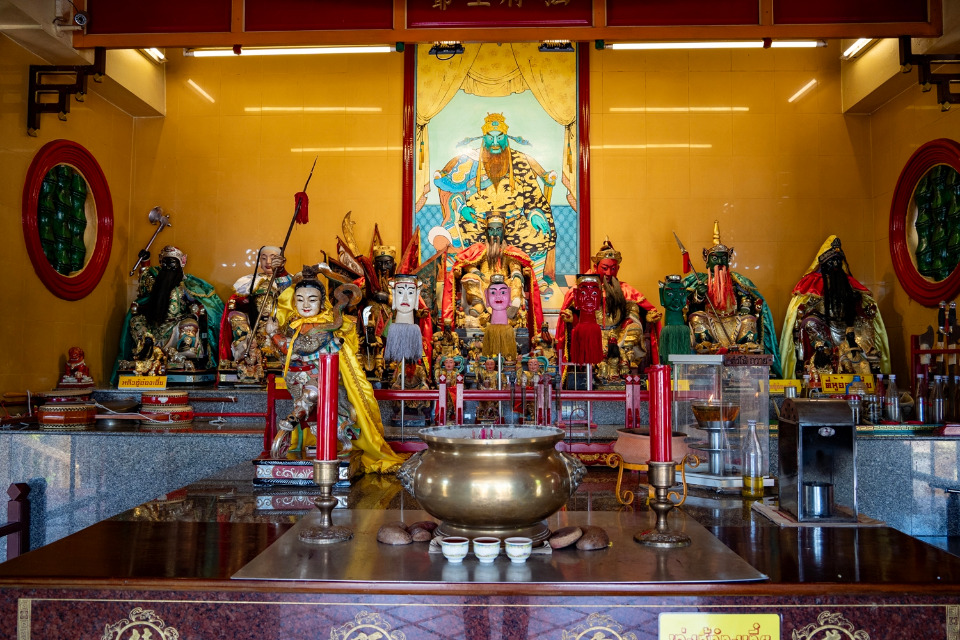 San Chao Jeng Ong
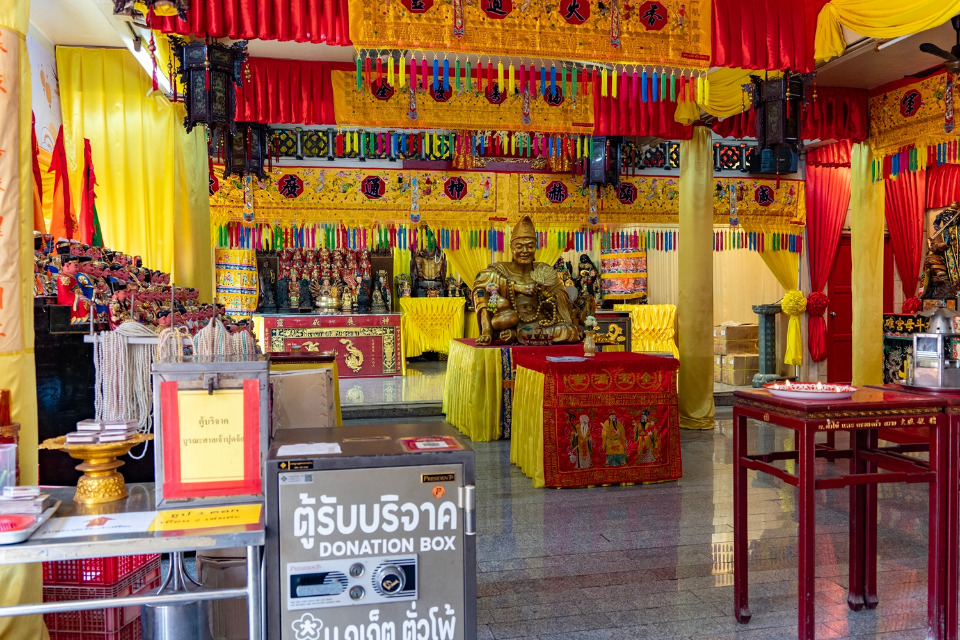 San Chao Jui Tui
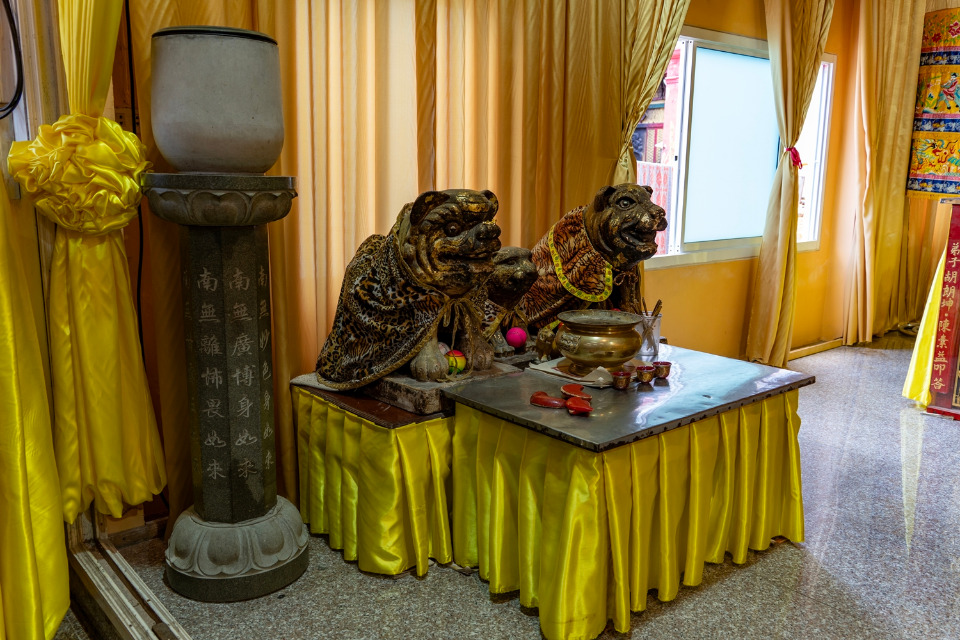 San Chao Jui Tui
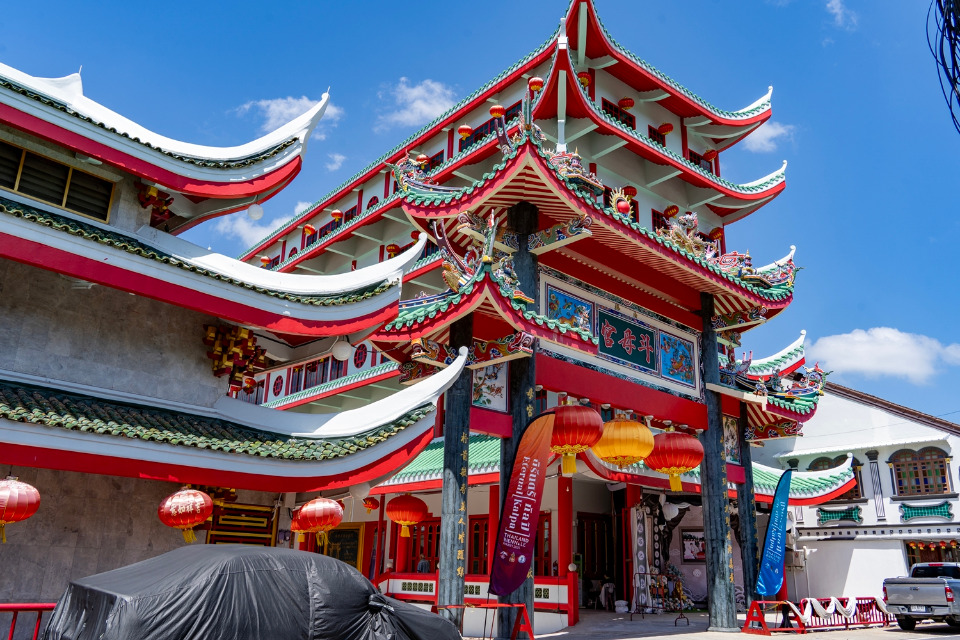 San Chao Kathu
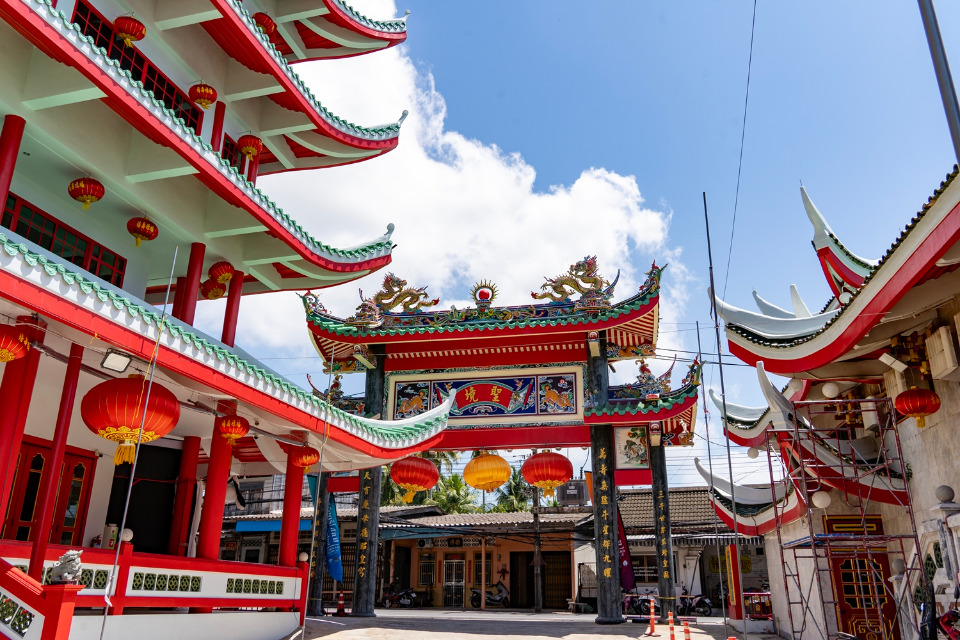 San Chao Kathu
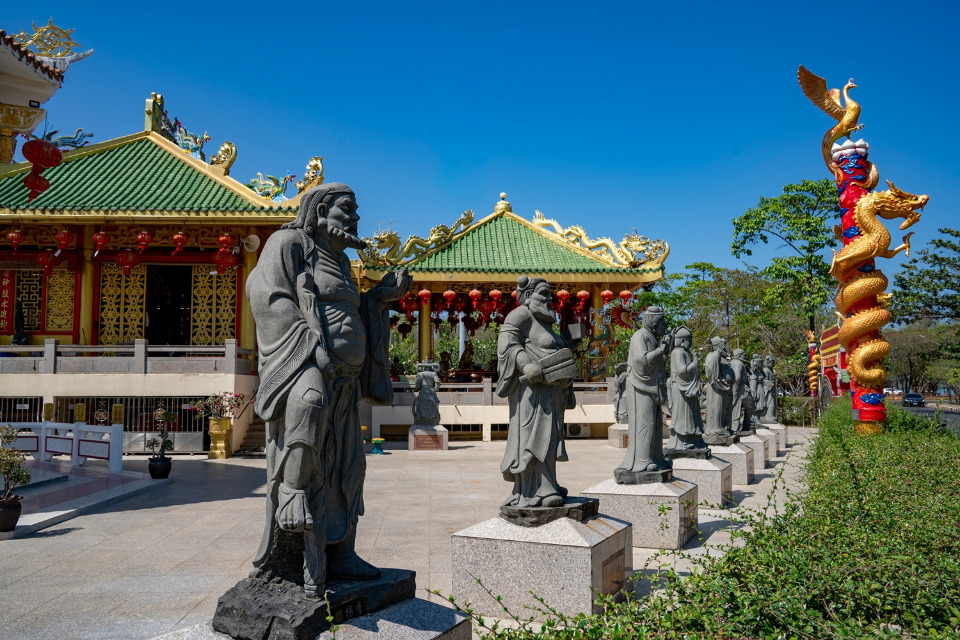 San Chao Kiew Tien Keng
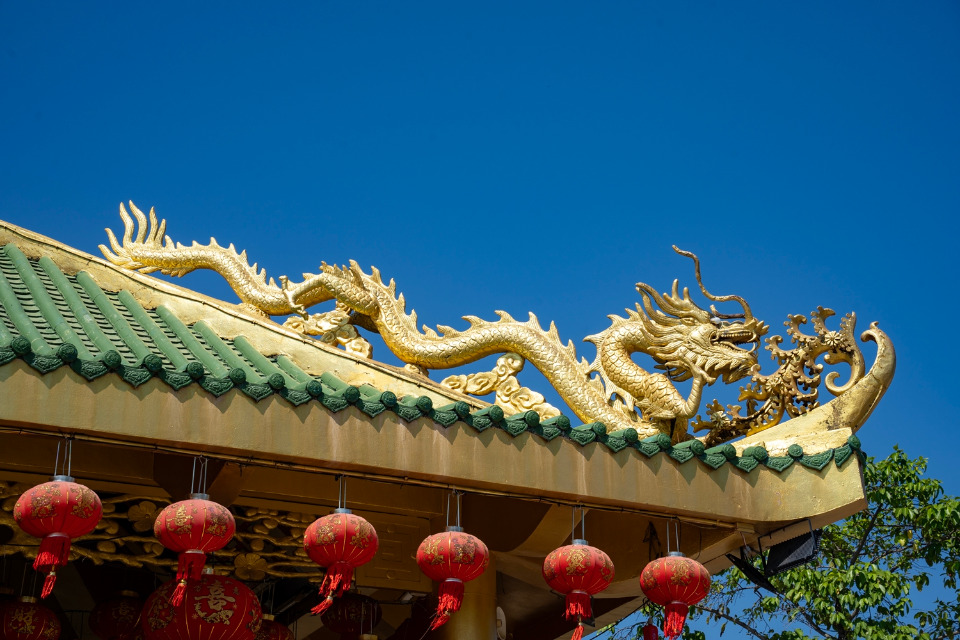 San Chao Kiew Tien Keng
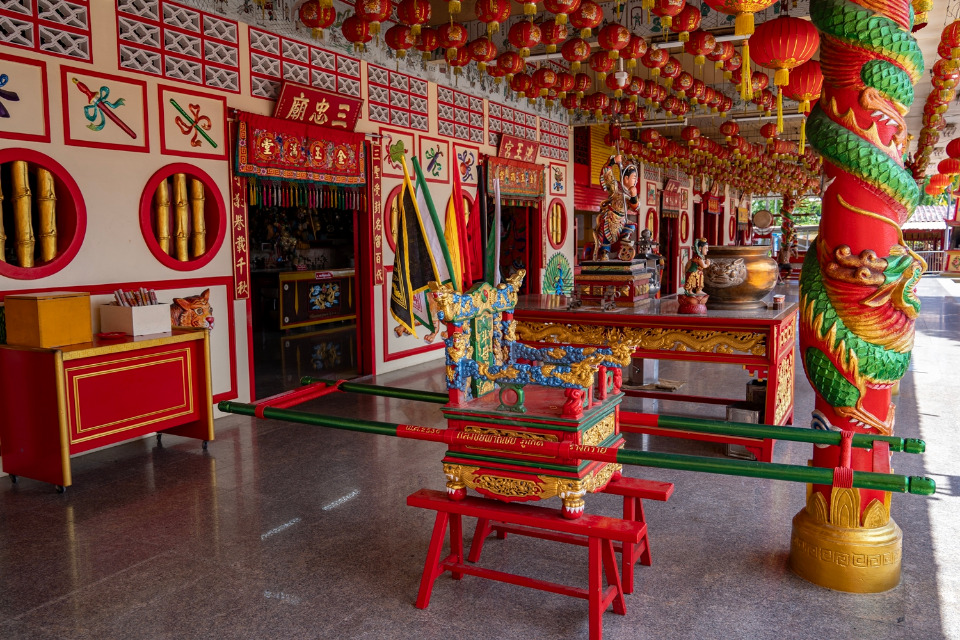
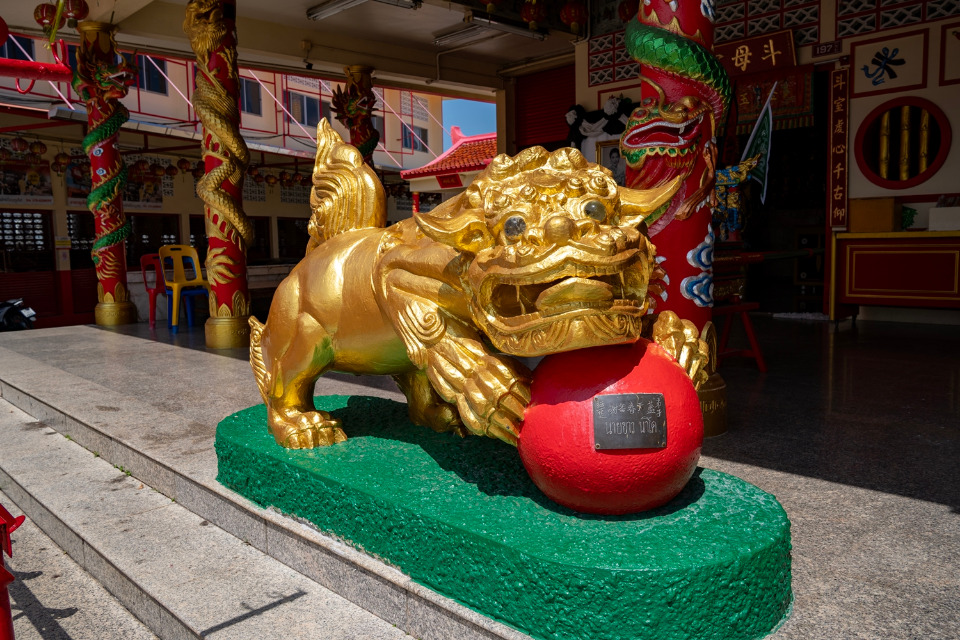
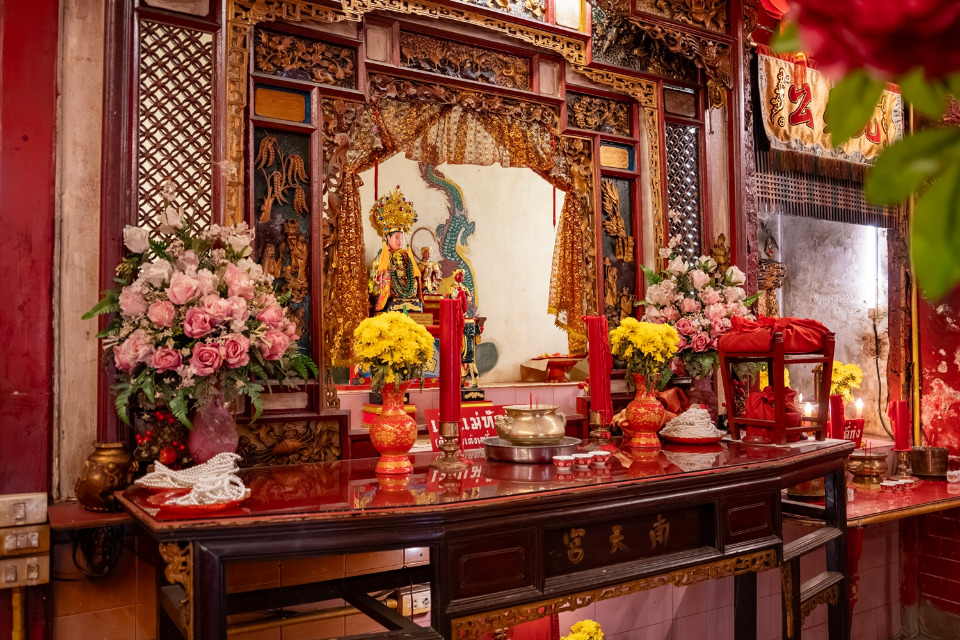
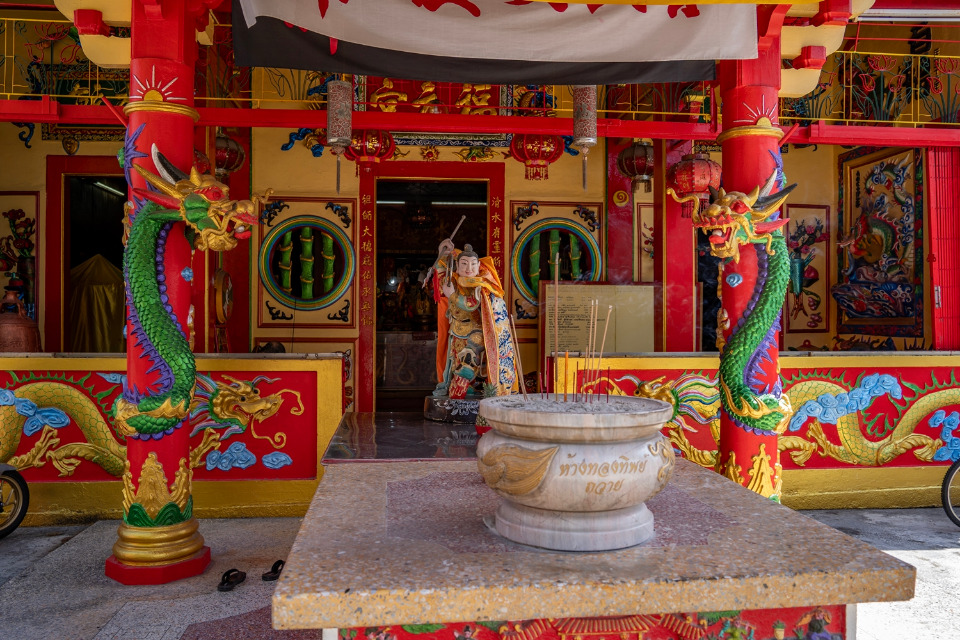
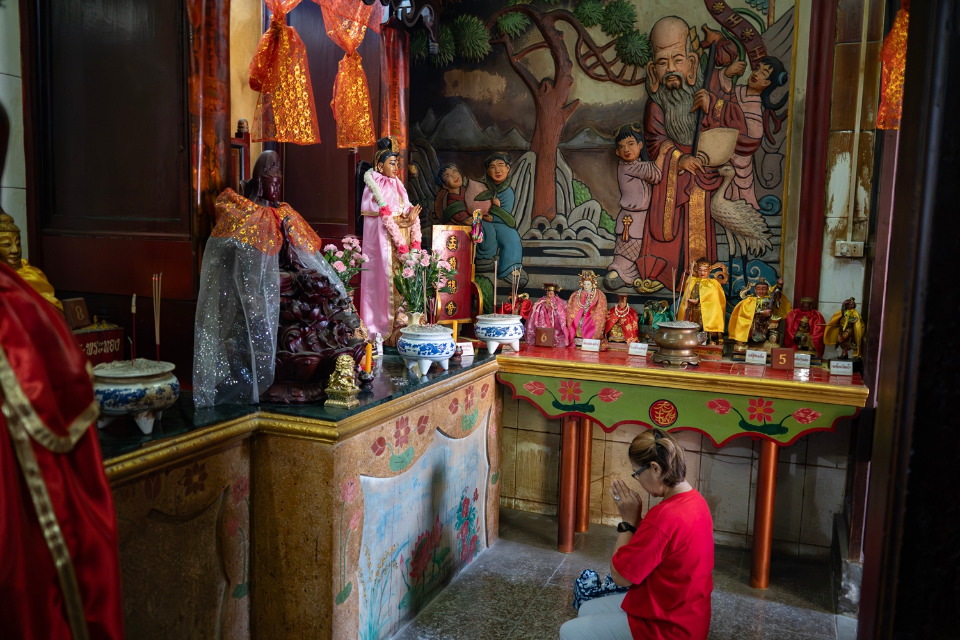
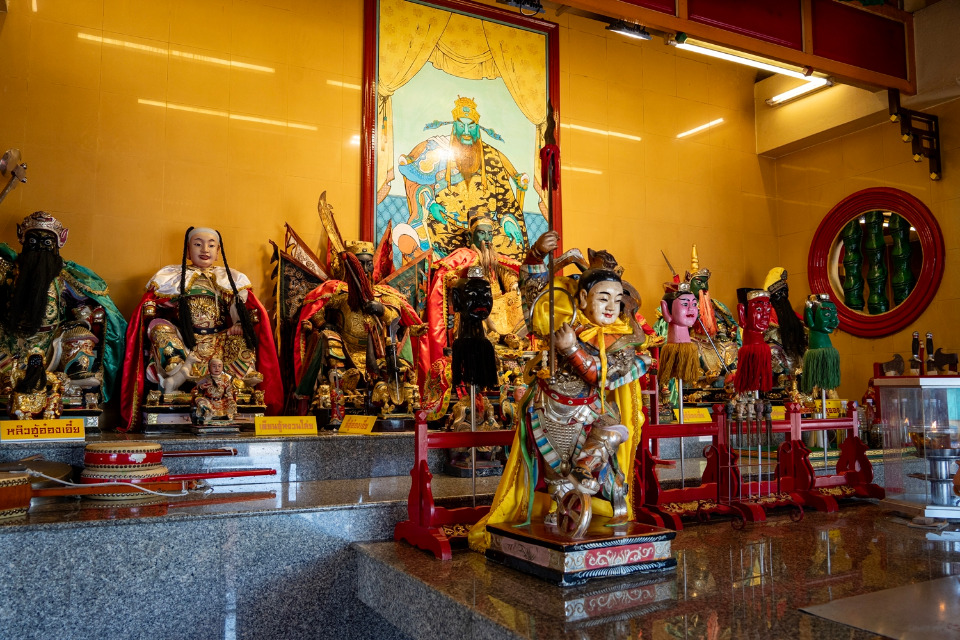
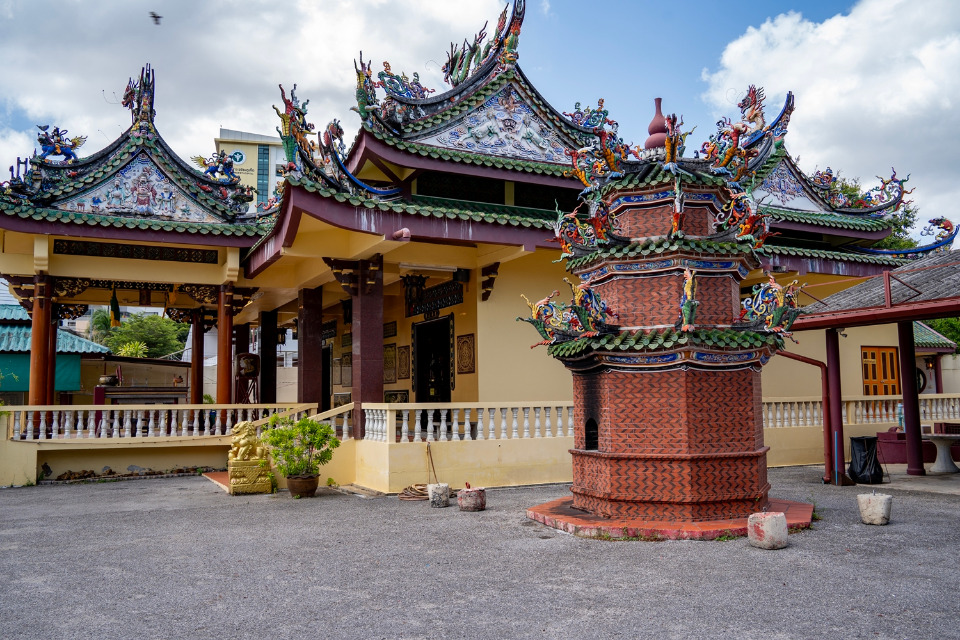
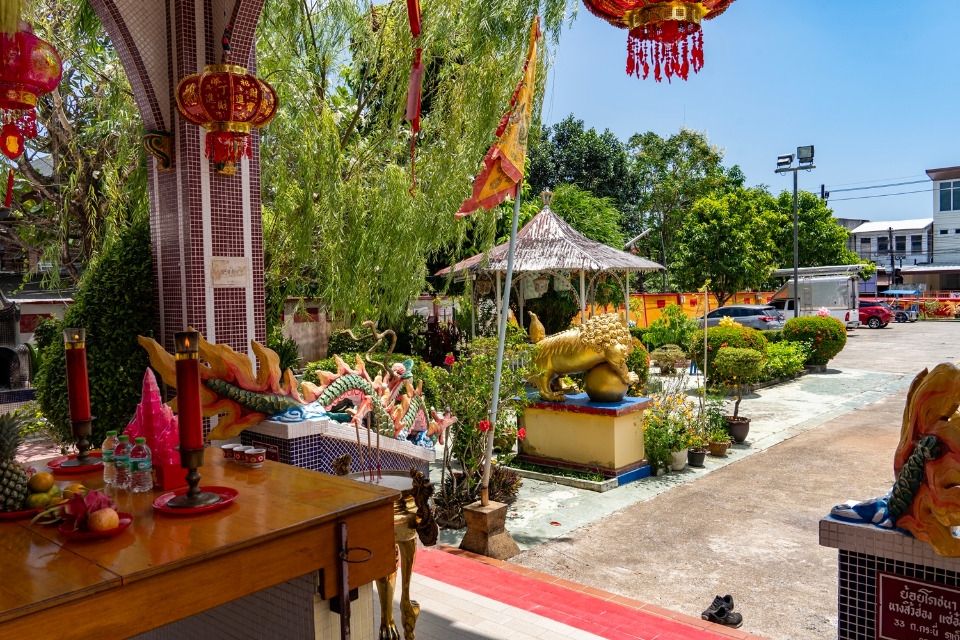
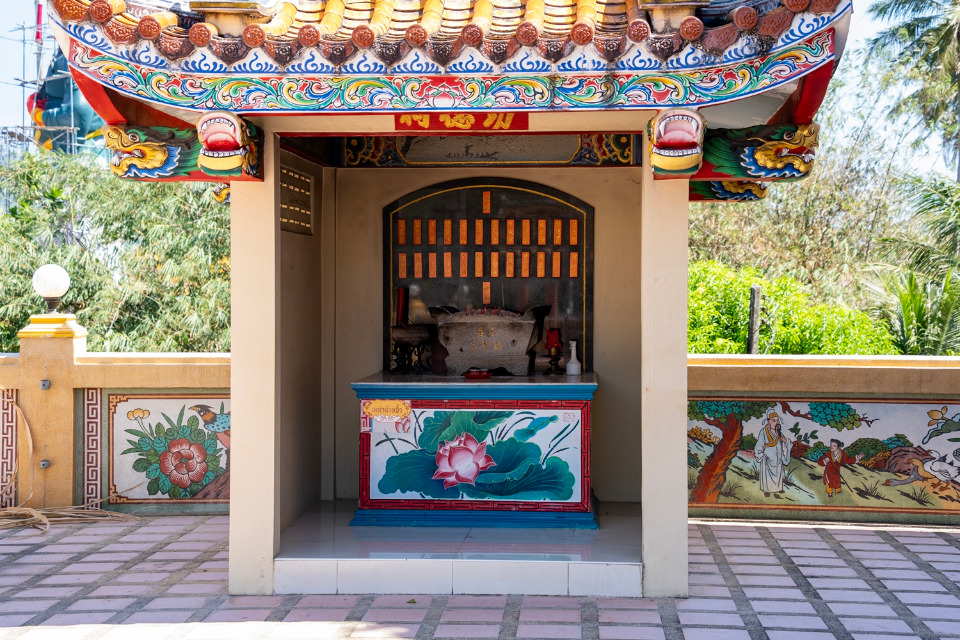
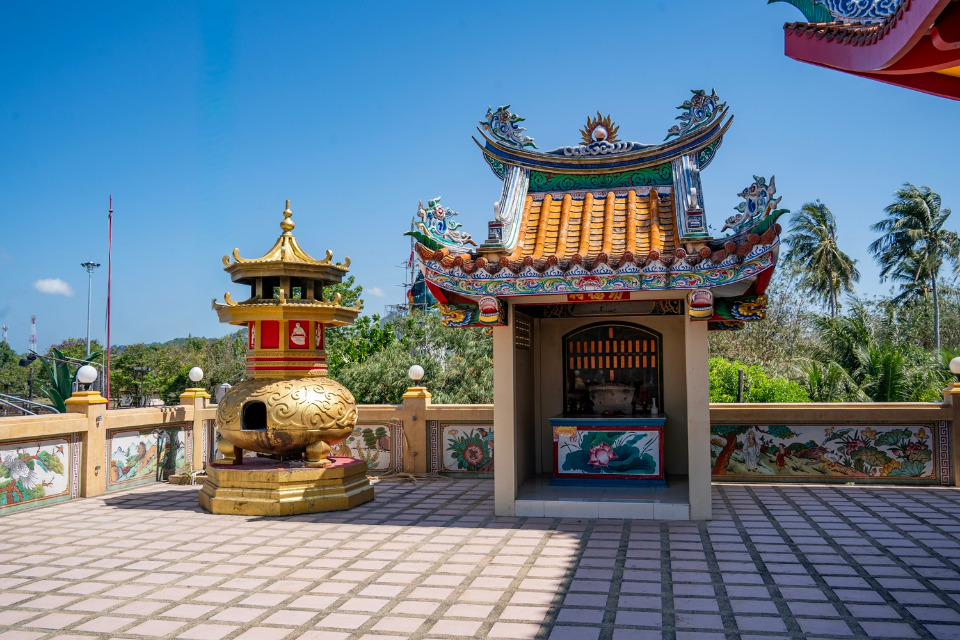
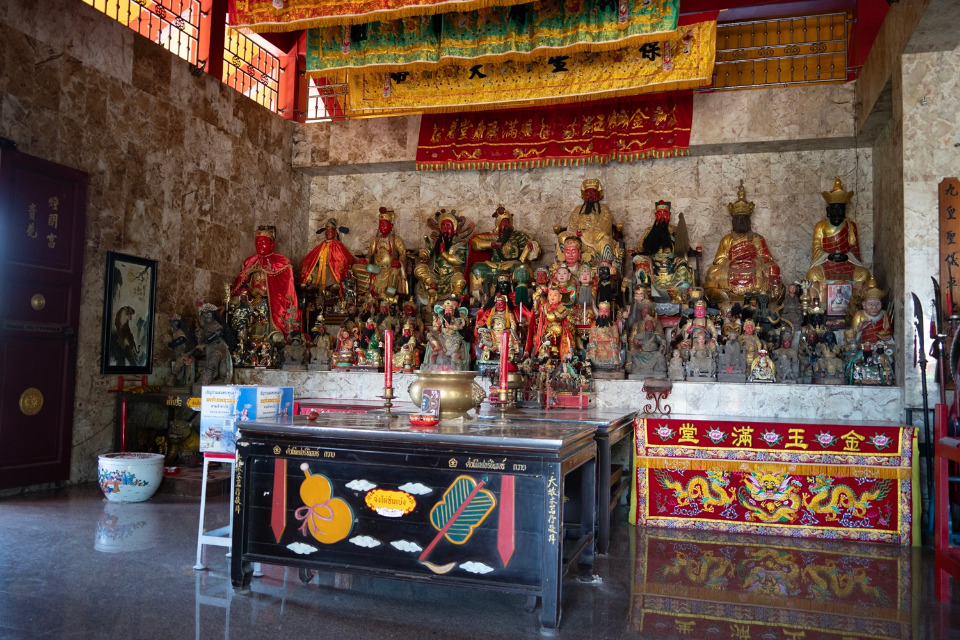
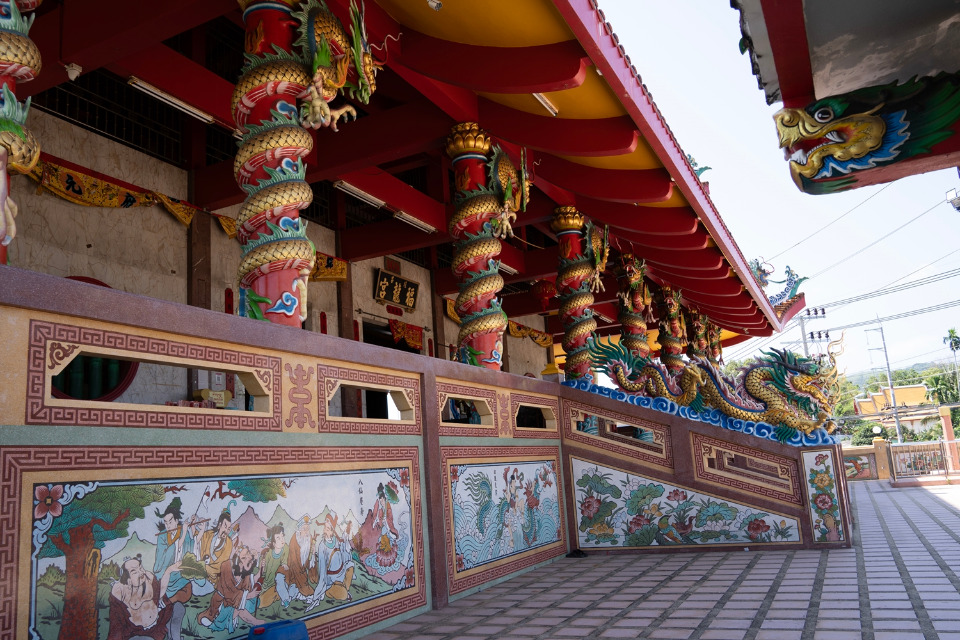
Phuket is often read through its beaches, resorts and old streets, yet another map of the island survives in plain sight. It appears in incense smoke drifting from open doorways, in red pillars and painted beams, in altar tables crowded with figures, lanterns and offerings – and in rooflines edged with dragons. Across Phuket Town, Kathu, Thalang and older settlement corridors, Chinese shrines hold a deeper story: not of tourism, but of arrival, settlement and permanence.
They are among the clearest surviving markers of Chinese Phuket.
Long before the island became a global holiday destination, Phuket was shaped by trade and tin mining. Southern Chinese migrants arrived in search of work, opportunity and survival, entering a landscape of mines, transport routes, market streets and expanding settlements.
Some came as laborers, some as traders, some through family and regional networks that tied Phuket to Penang and the wider Straits world. Over time, those communities did more than adapt. They built institutions, rooted themselves in place and contributed to the island's enduring social fabric. The shrines remain as physical evidence of that process.
Seen individually, they differ in scale, tone and setting. Seen together, they form a pattern.
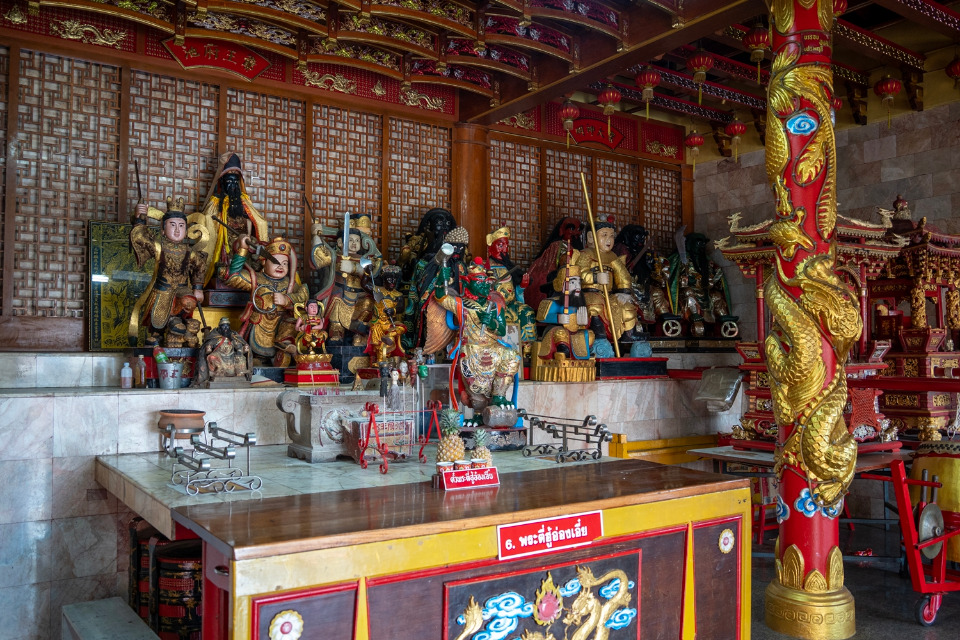
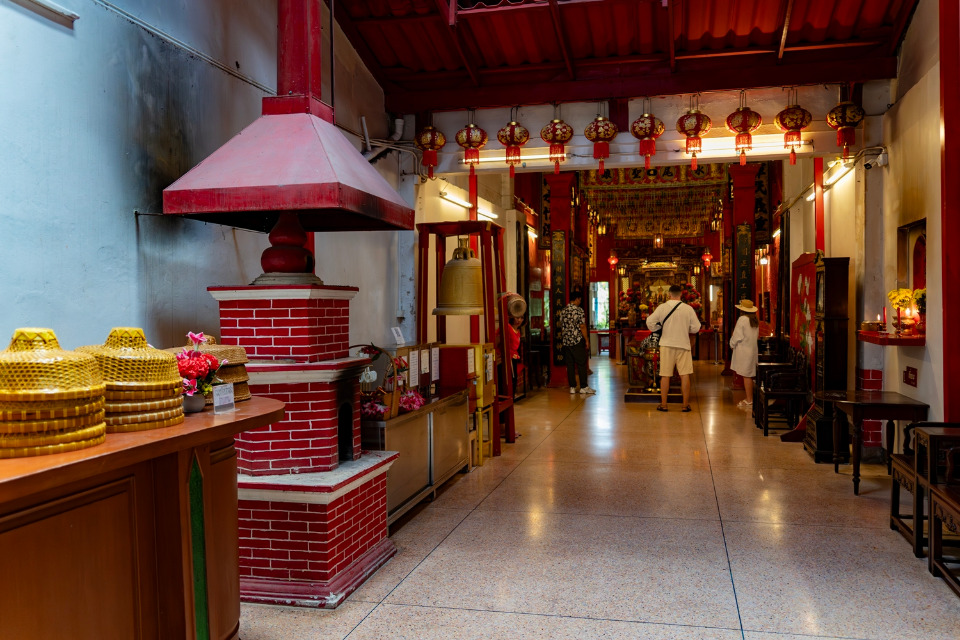
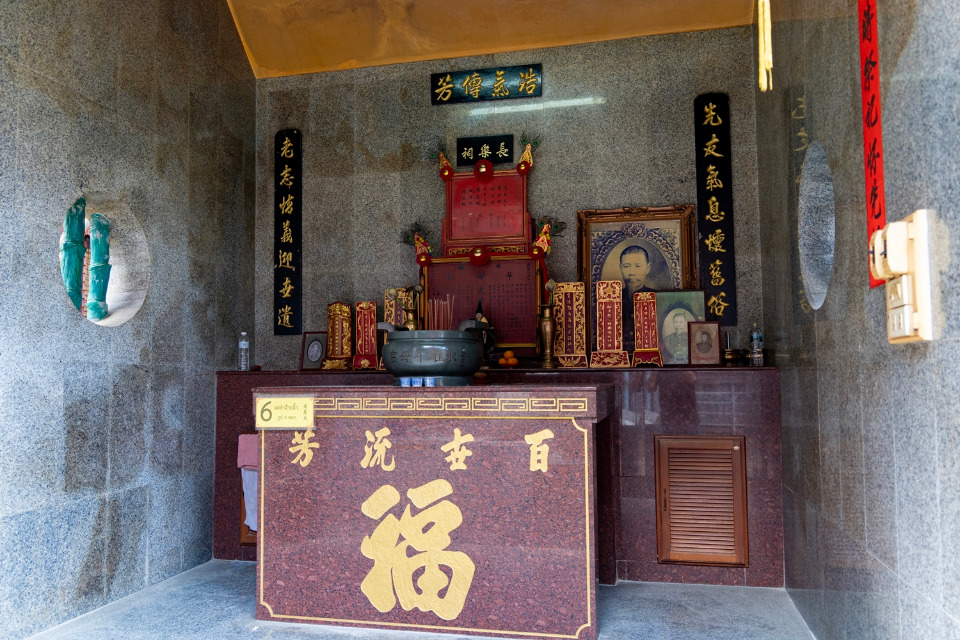
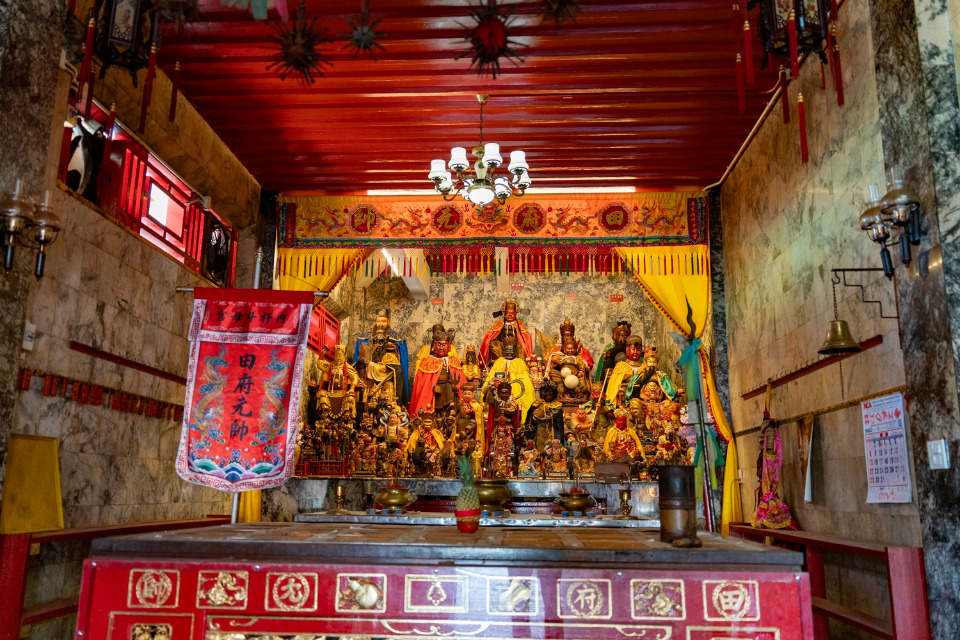
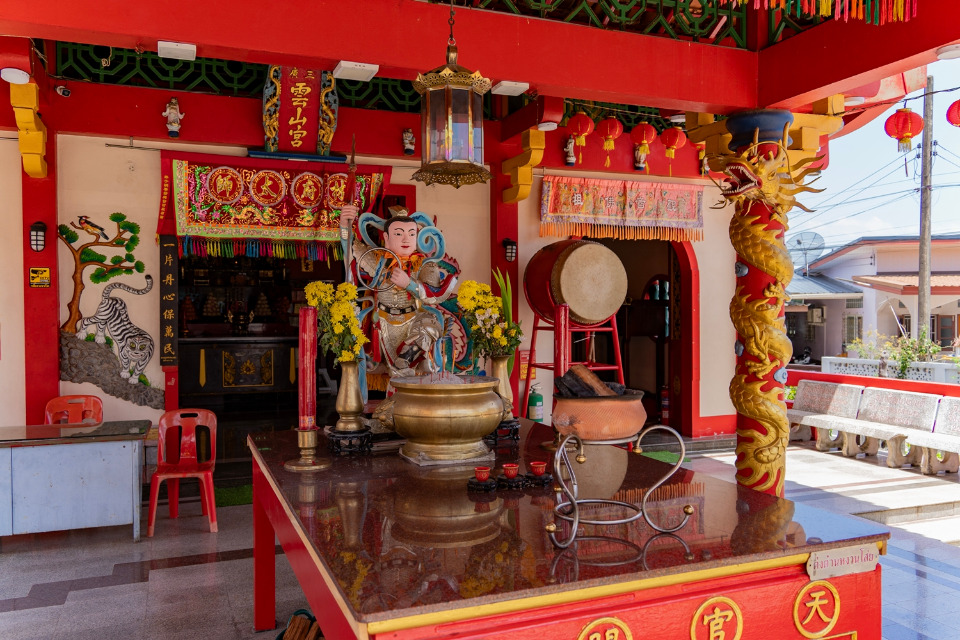
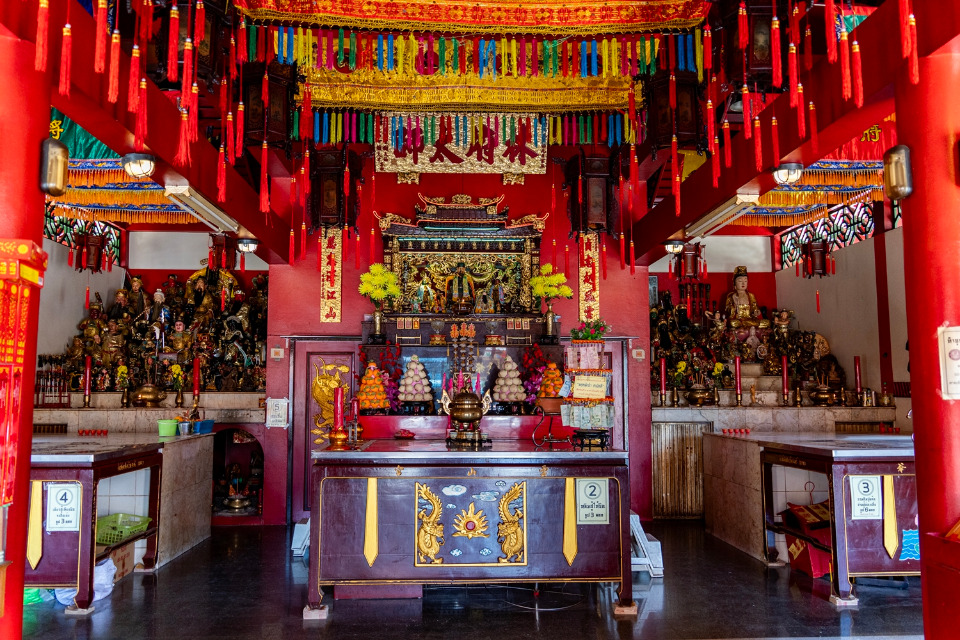
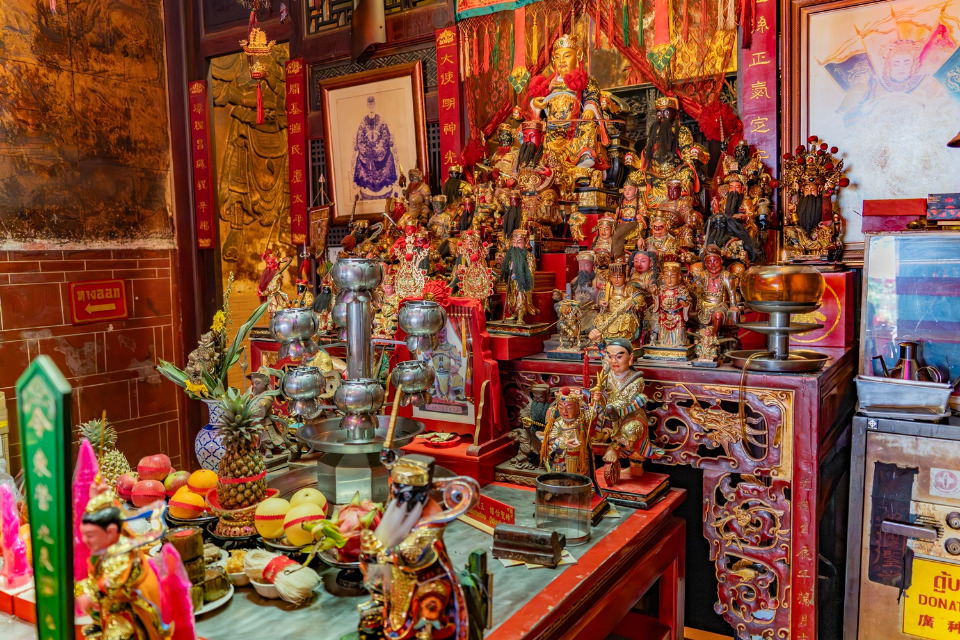
What struck me most while moving through them was how unlike Phuket’s Buddhist temples they felt. There were no monks, no sweeping monastic grounds, no broad sense of a religious campus opening outward. Instead, there were caretakers, compact shrine rooms, heavy incense, altars dense with figures and offerings and an atmosphere that felt immediate rather than expansive. The experience was not of distance, but of proximity.
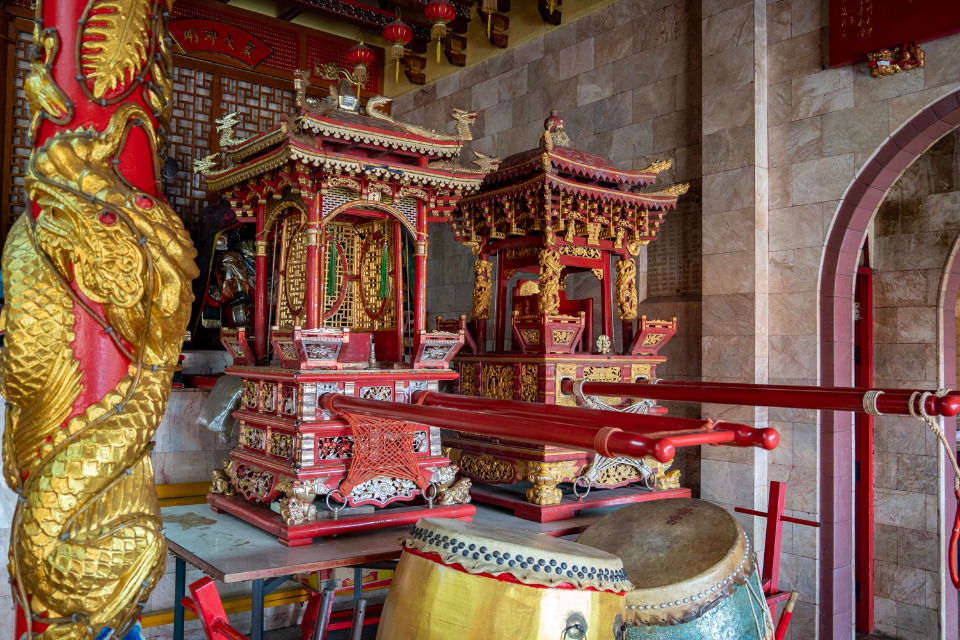
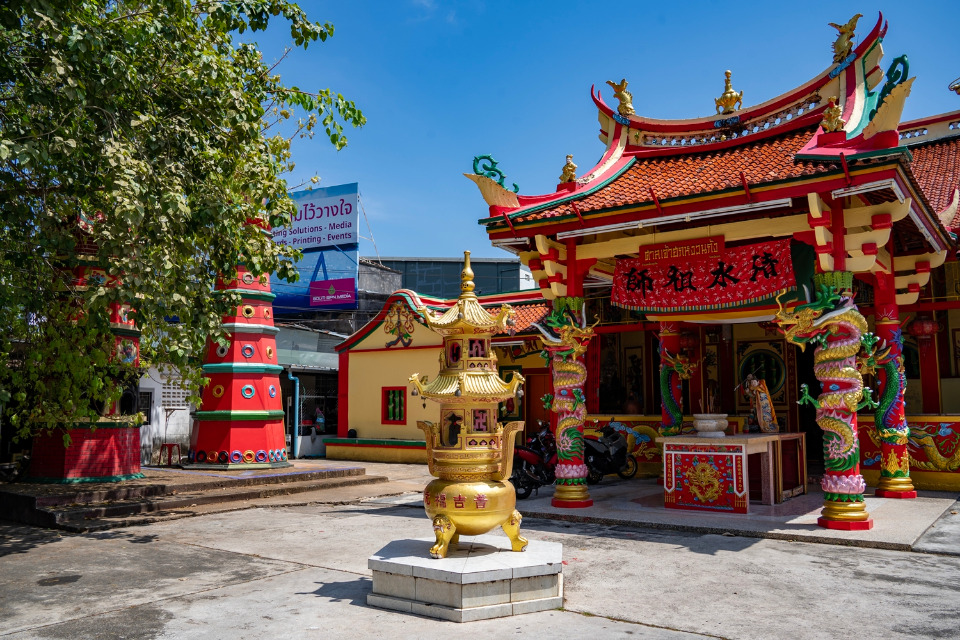
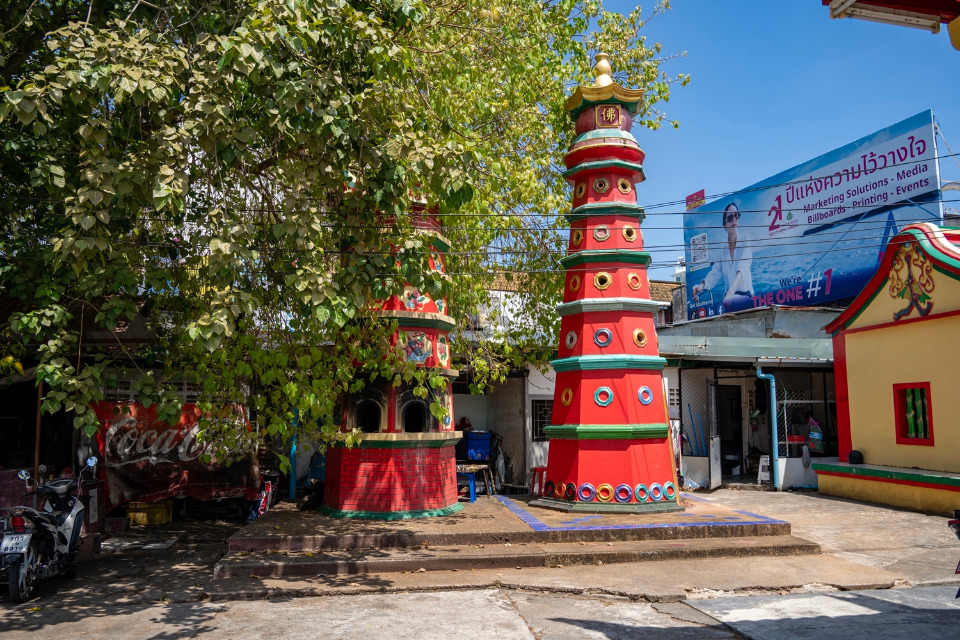
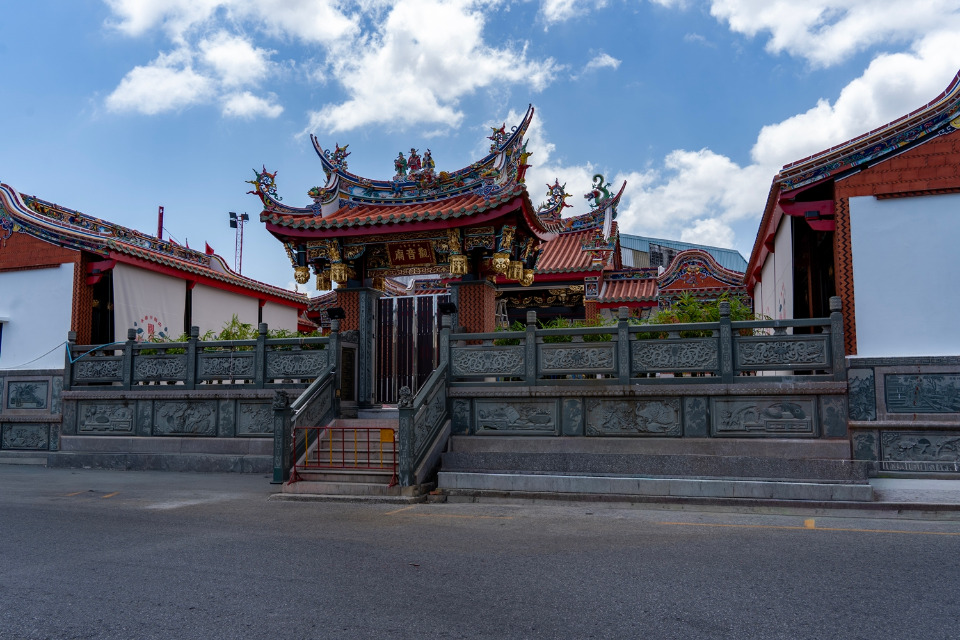
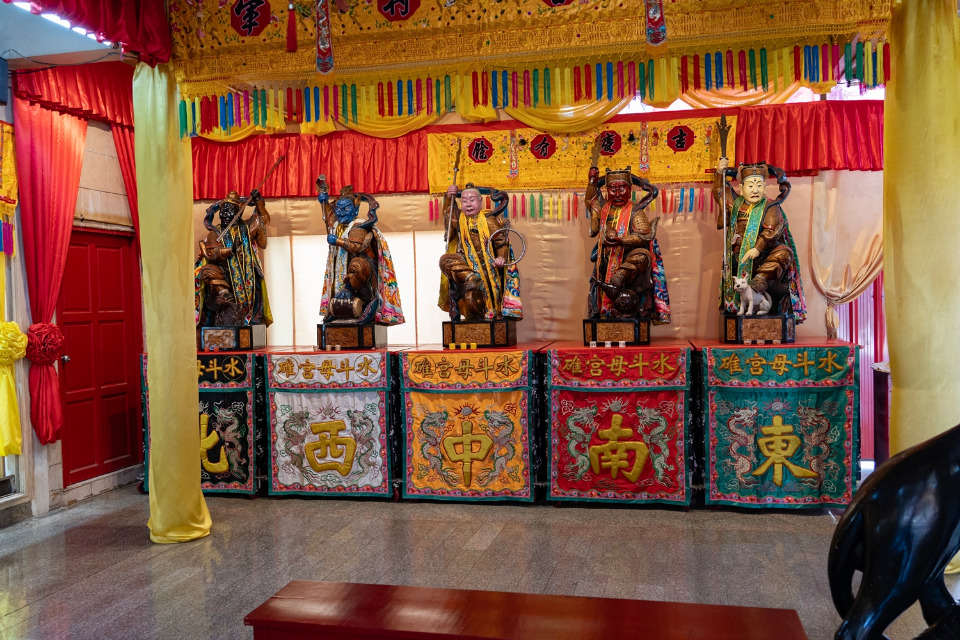
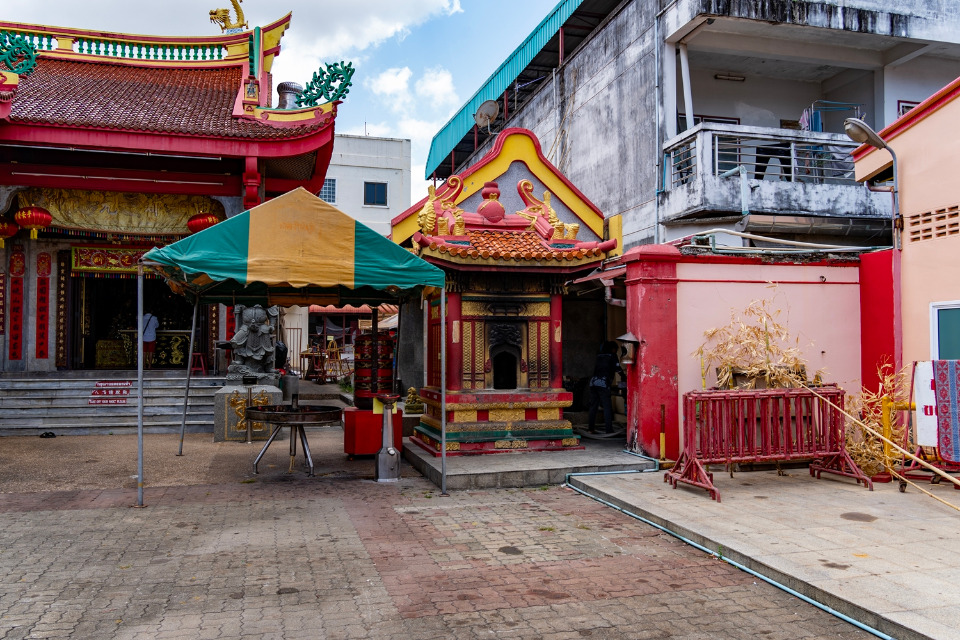
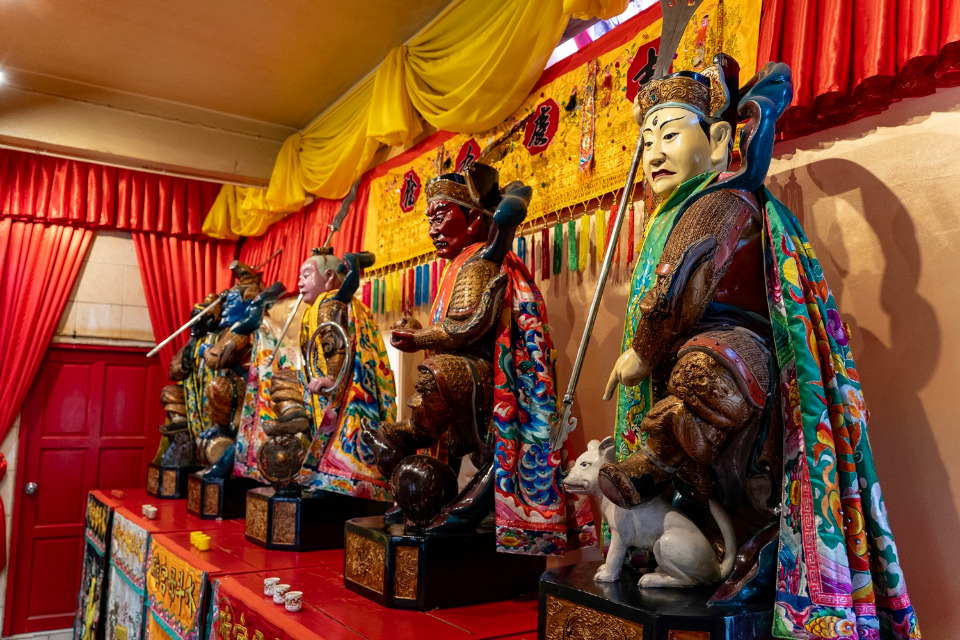
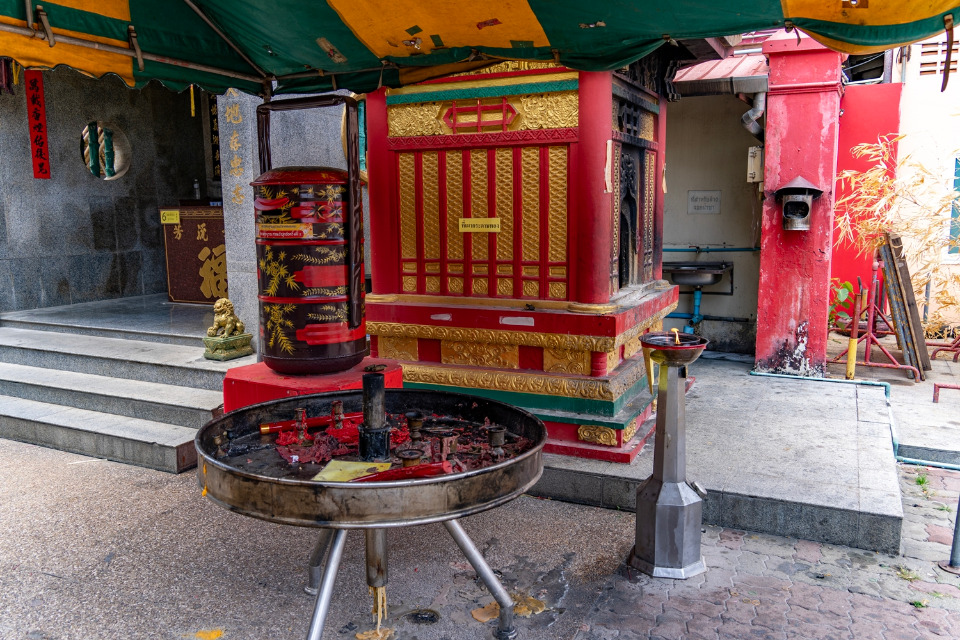
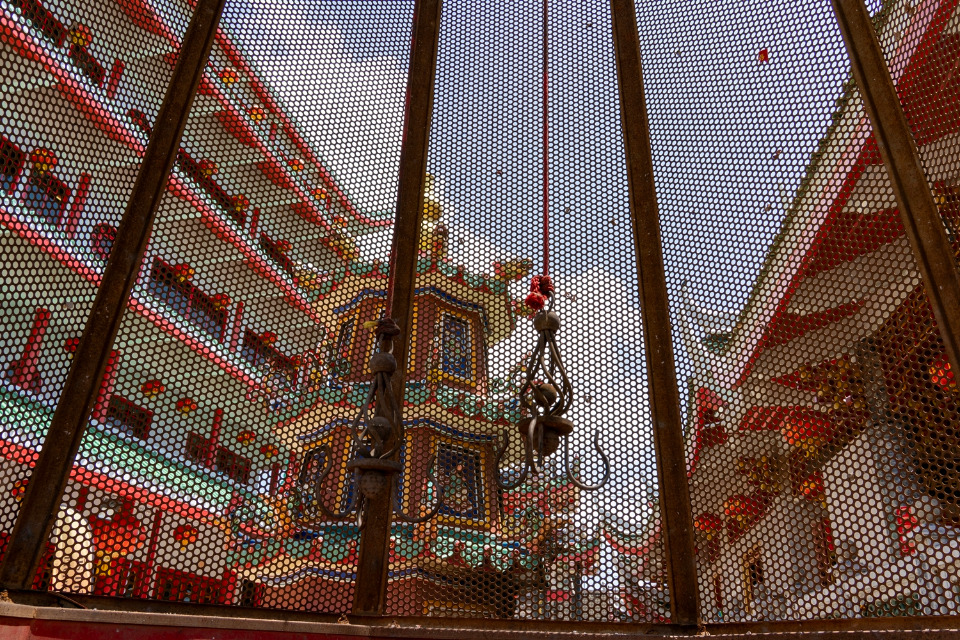
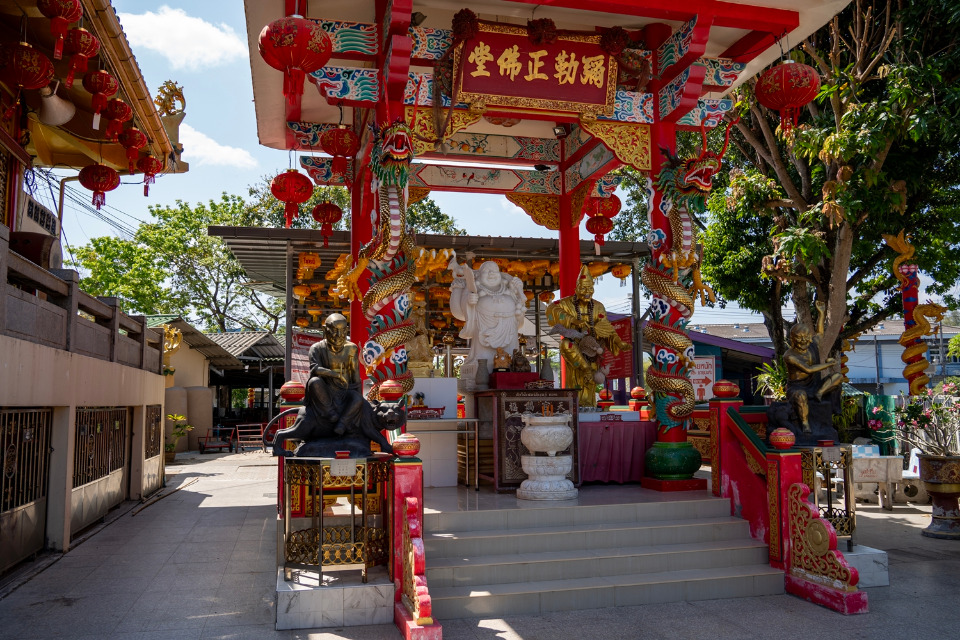
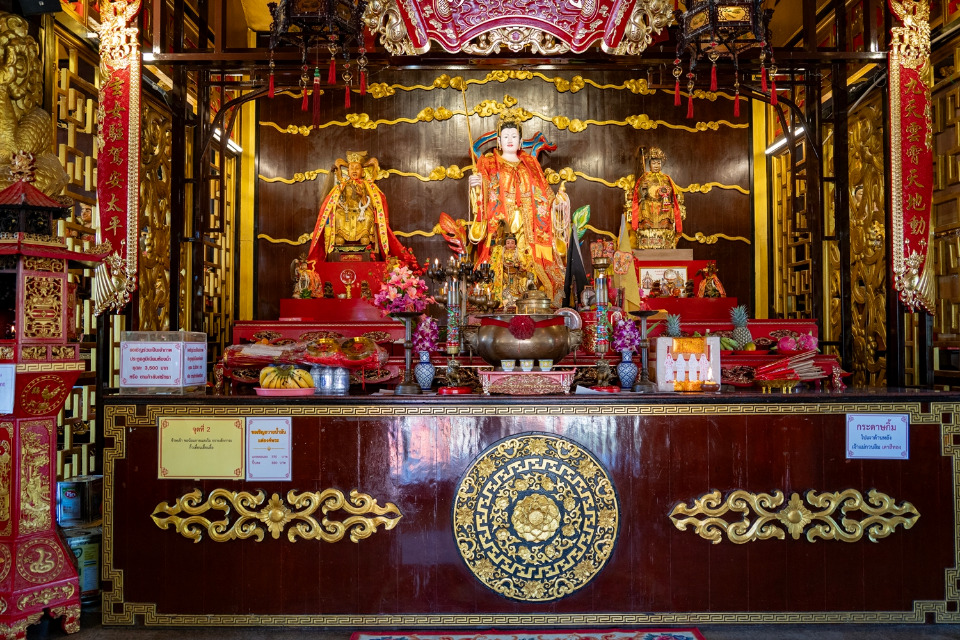
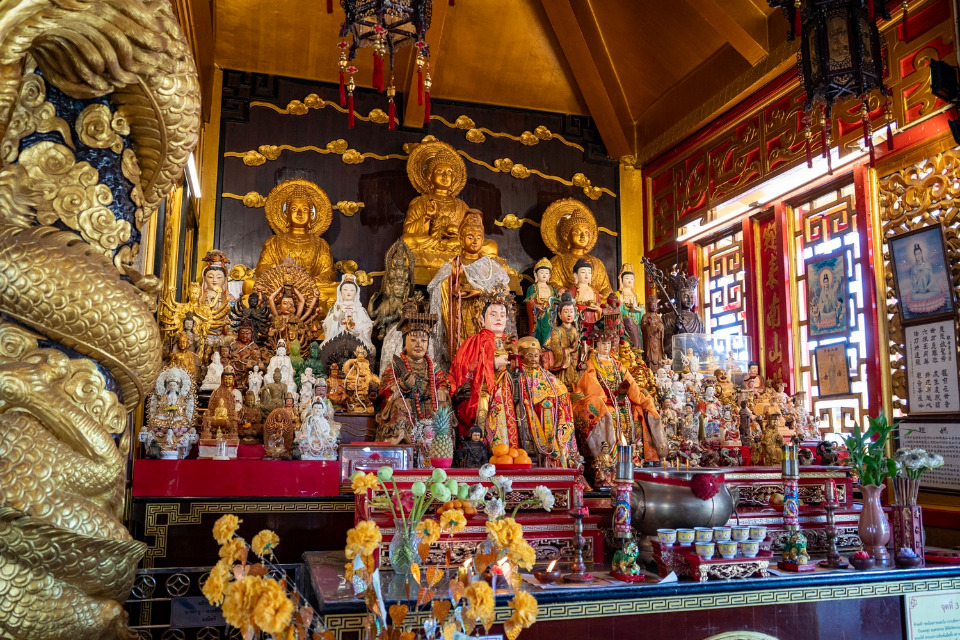
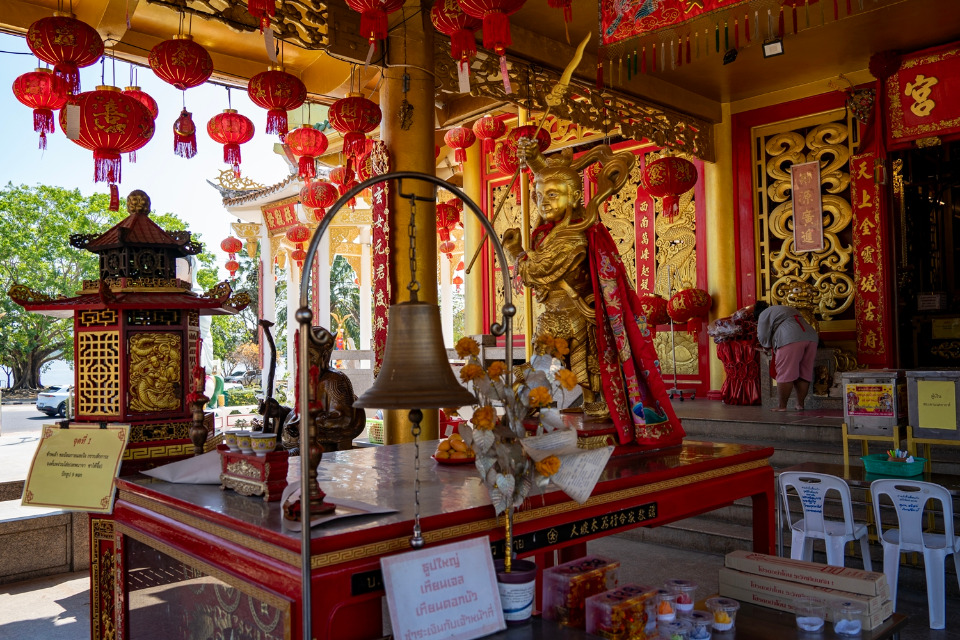
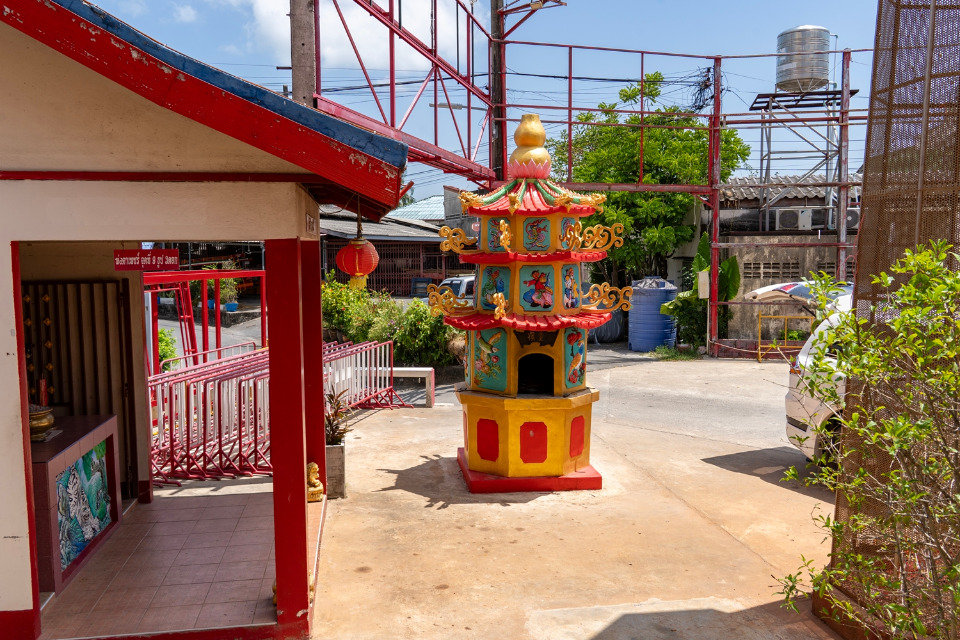
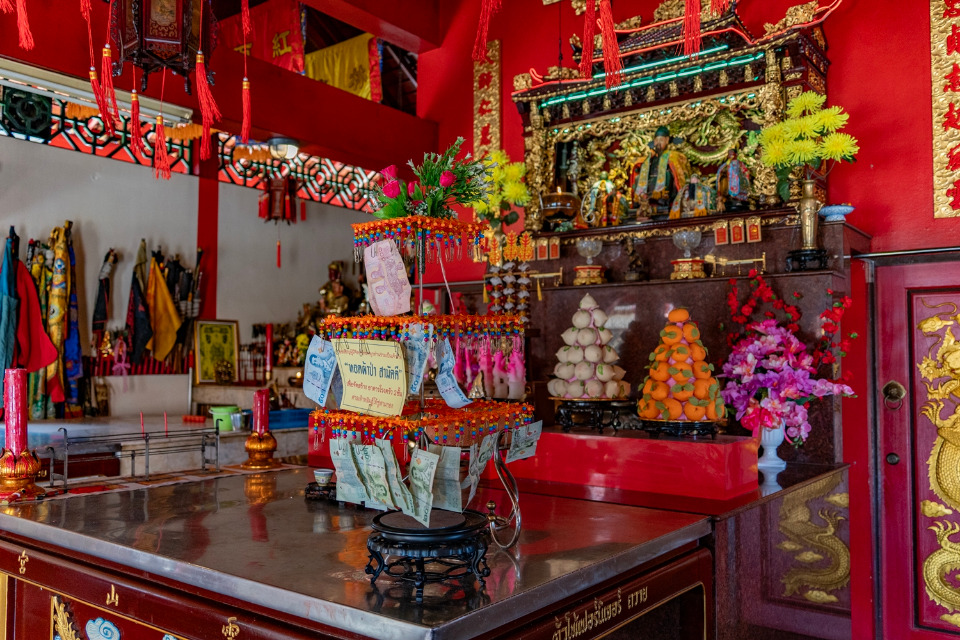
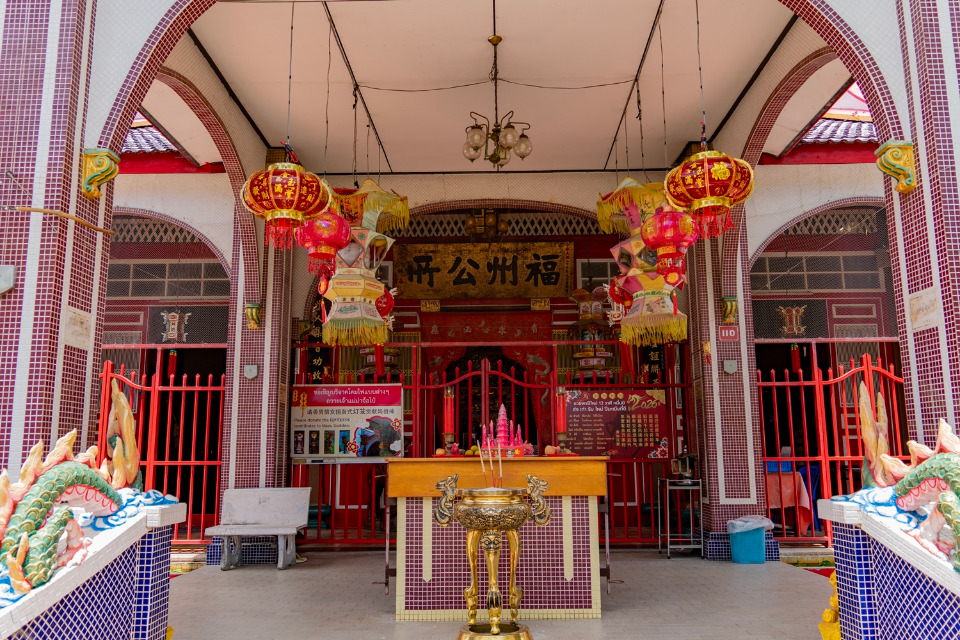
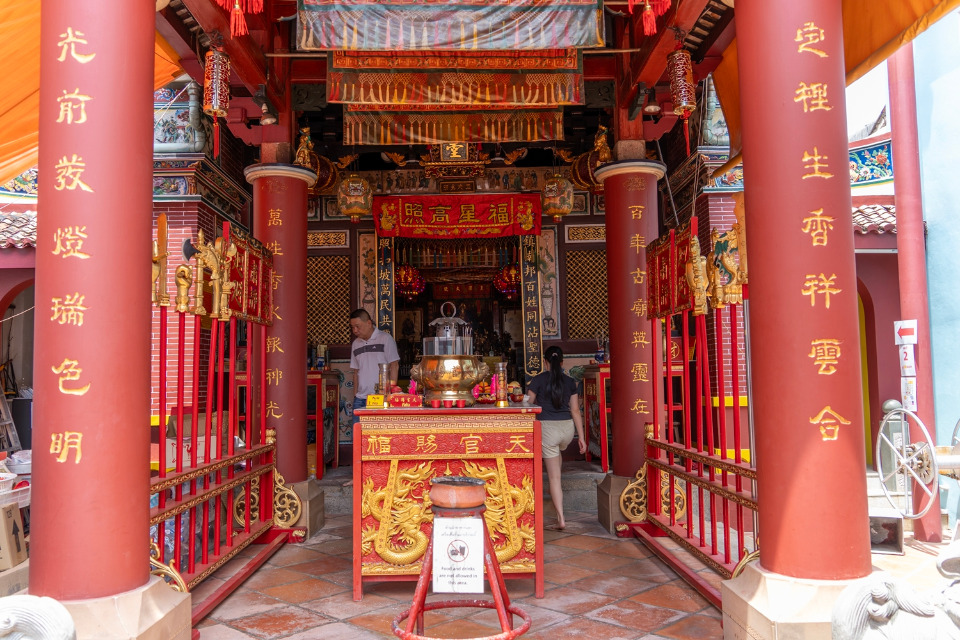
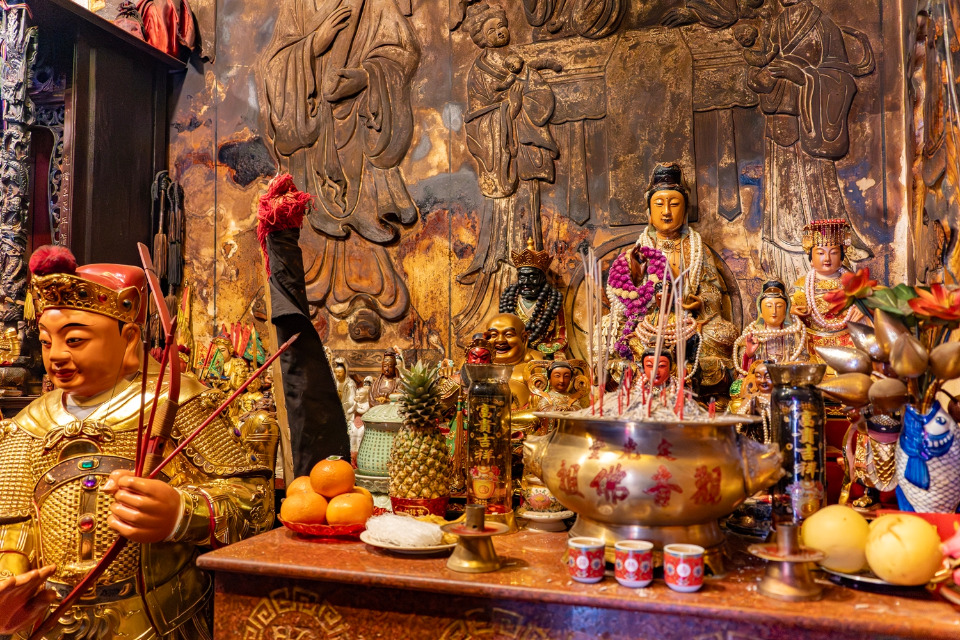
Again and again, the same underlying grammar returned. A central shrine space, flanking rooms or side areas, altars arranged across them and outside, supporting elements such as burners, bells and, in some cases, firecracker structures. From there, each shrine found its own character. Some were folded into the town almost discreetly. Others opened into broader compounds and carried a stronger public presence. Yet the family resemblance remained unmistakable.
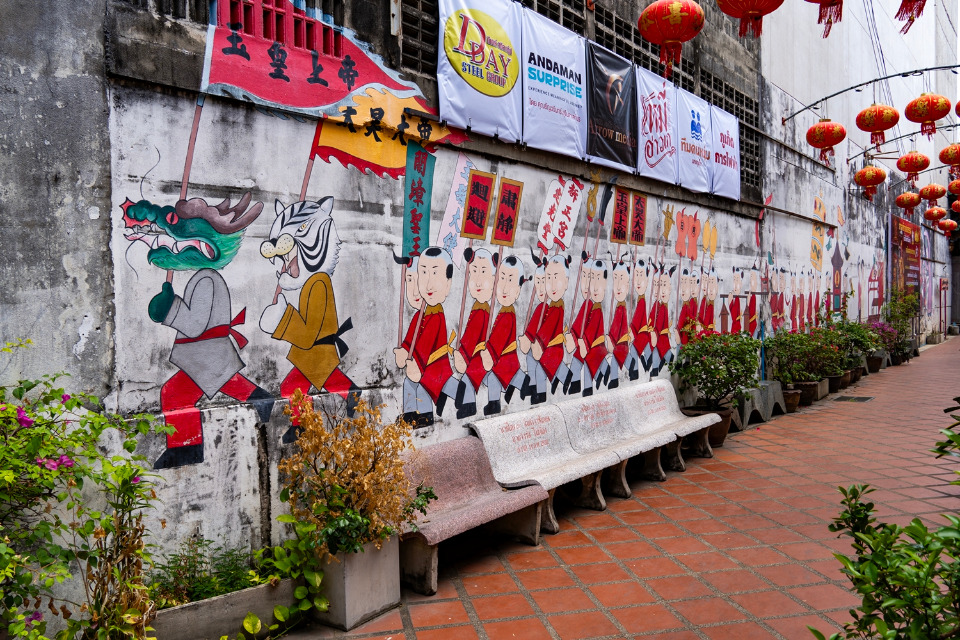
In Phuket Old Town, San Chao Saengthham still feels shaped by its more private origins. Tucked into the urban fabric rather than spread across an open compound, it reads as a sacred interior discovered inside the town. The shrine is visually dense but spatially restrained. That combination gives it a different kind of force. It does not announce itself on a great scale; it draws you inward.
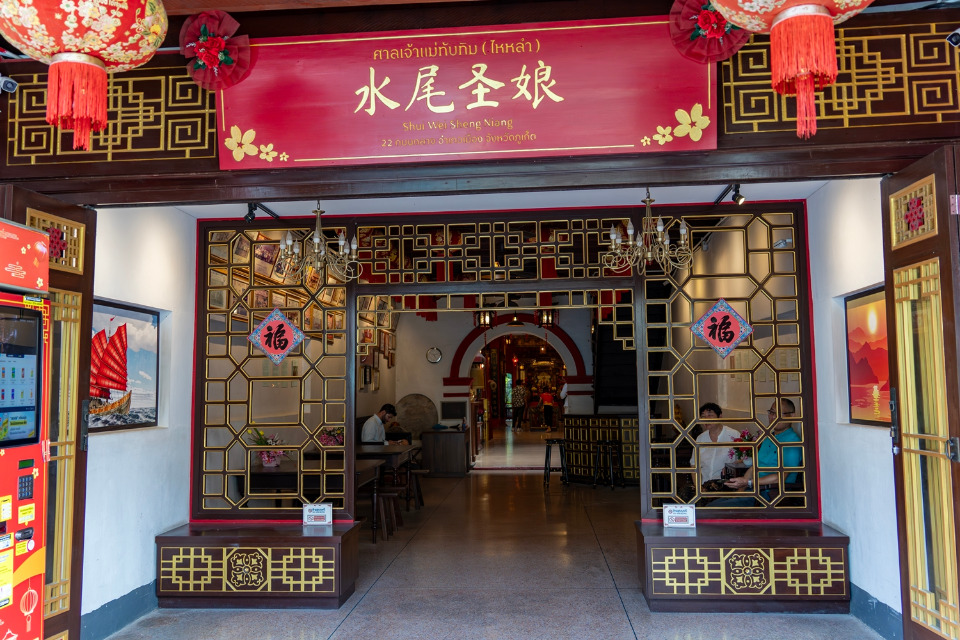
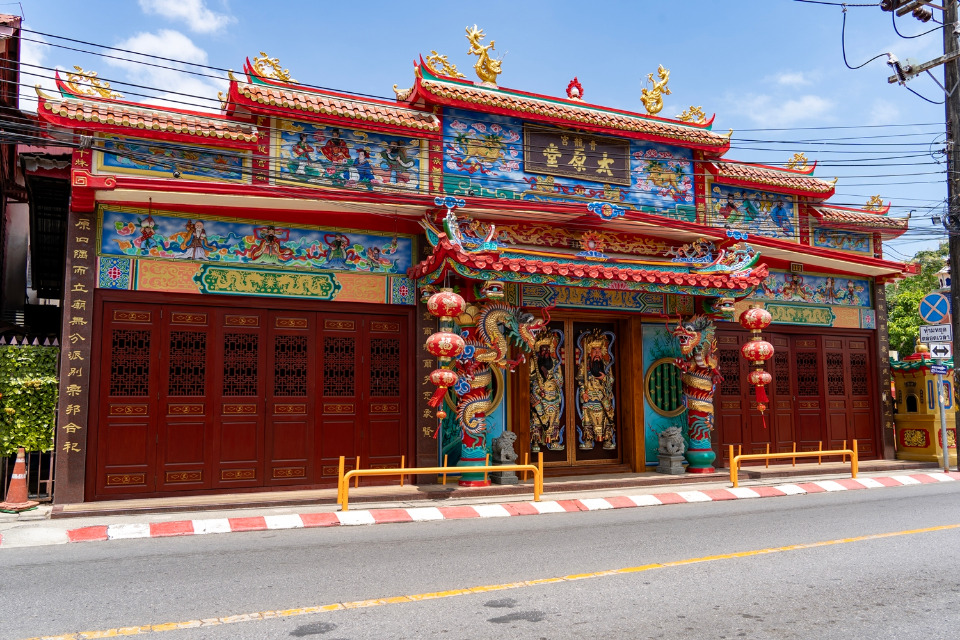
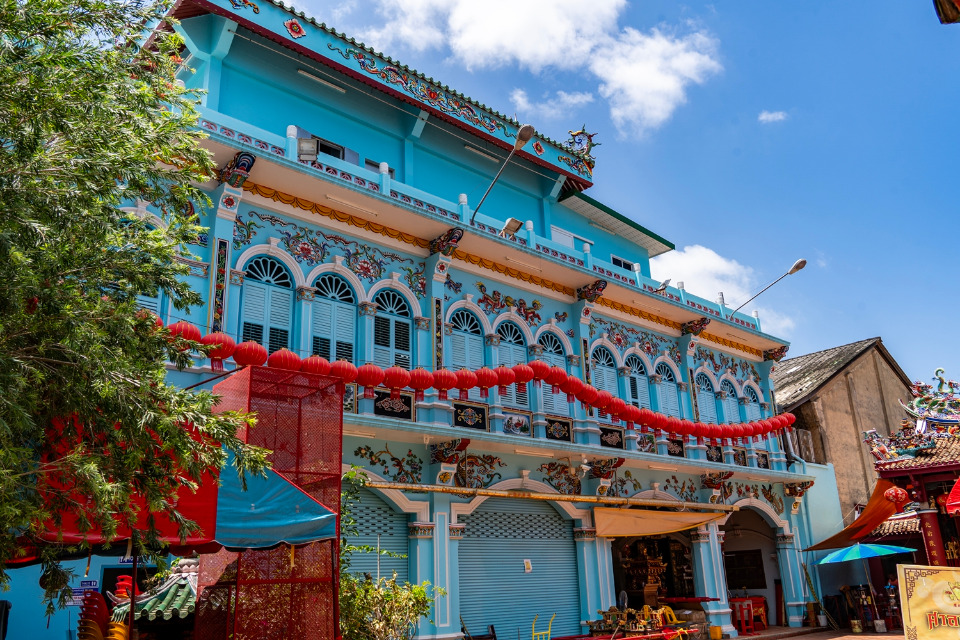
San Chao Hainan belongs to the same urban world, but in a different architectural register. It feels almost like a shrine folded into a shophouse frontage, with a narrow facade and a long interior axis that guides the eye toward the altar. Its compressed form suits the density of the surrounding streets. More importantly, it reminds us that Chinese Phuket was never a single undifferentiated community. Different migrant groups left different traces, and the shrine network preserves some of that layered identity.
Elsewhere, the spatial mood changes.
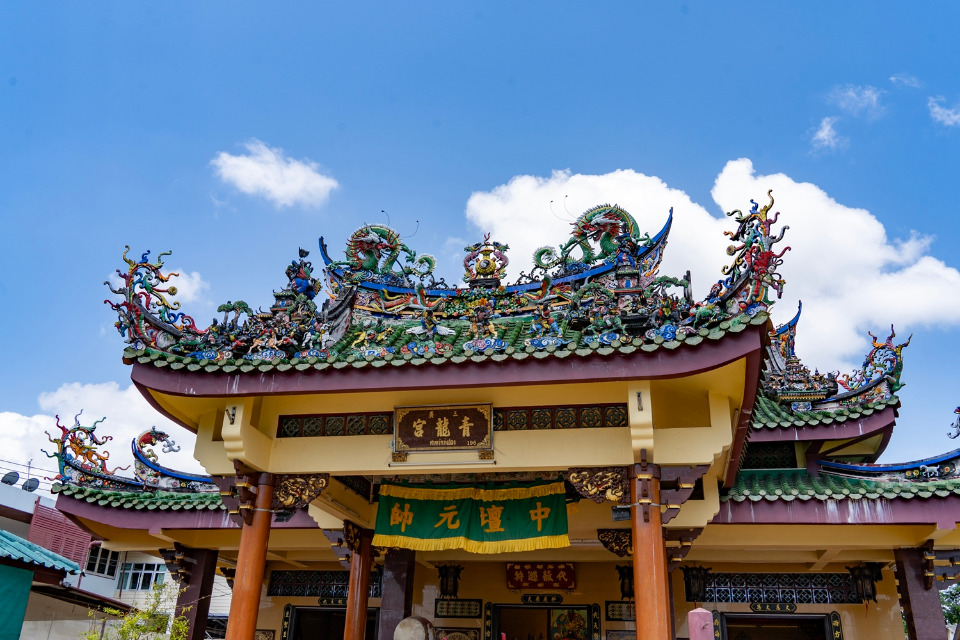
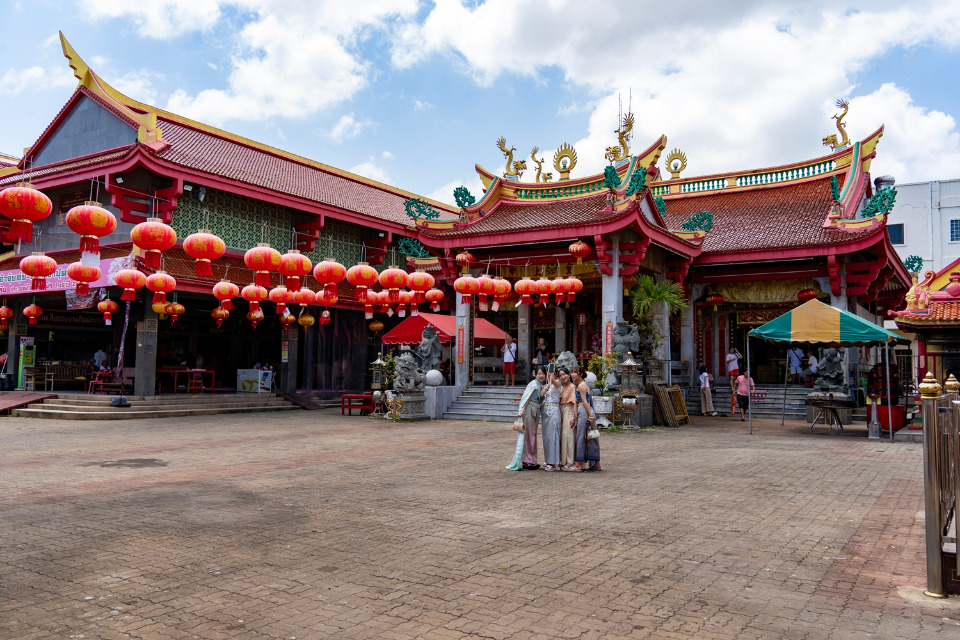
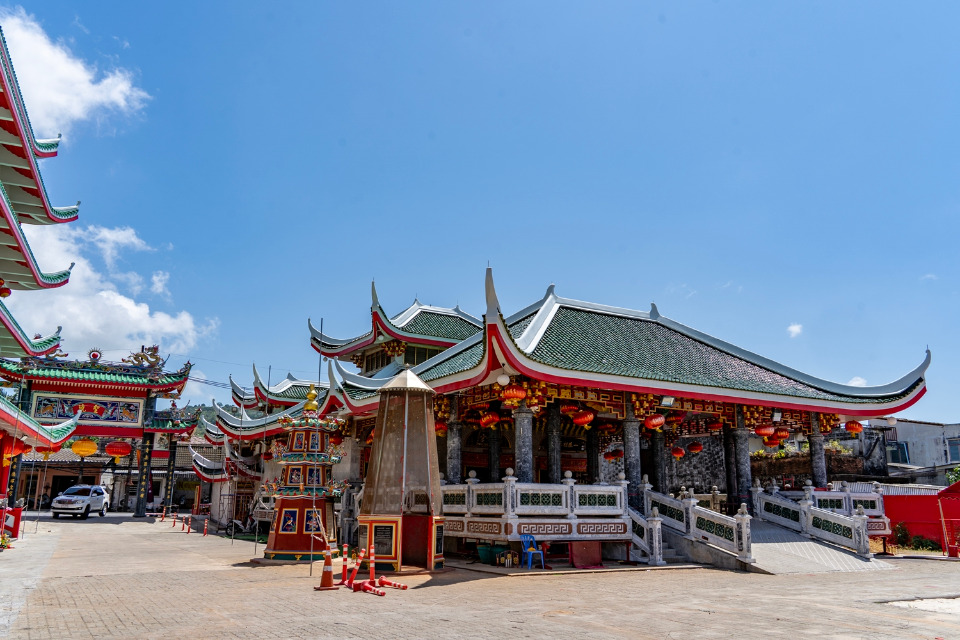
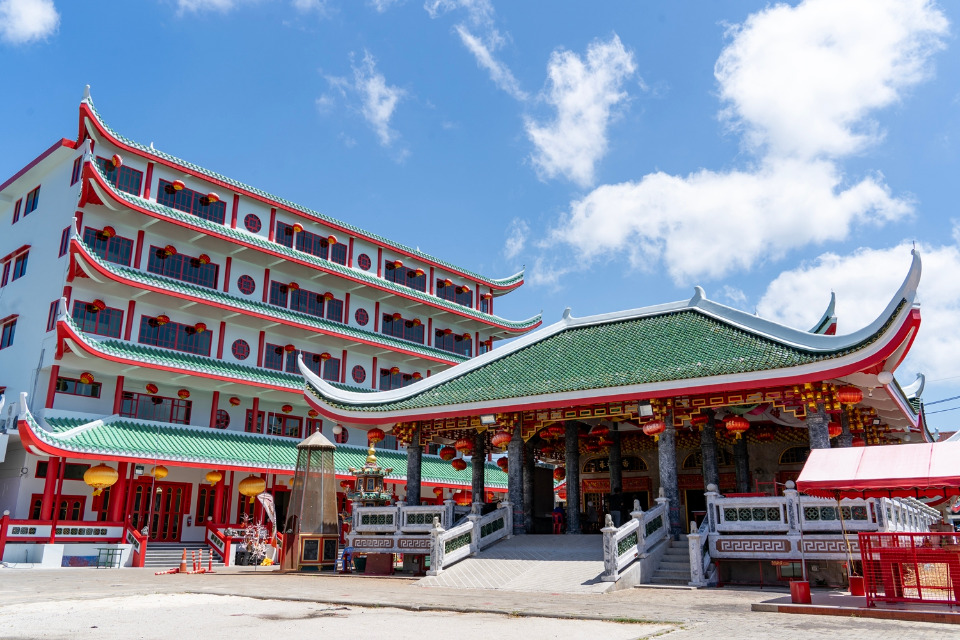
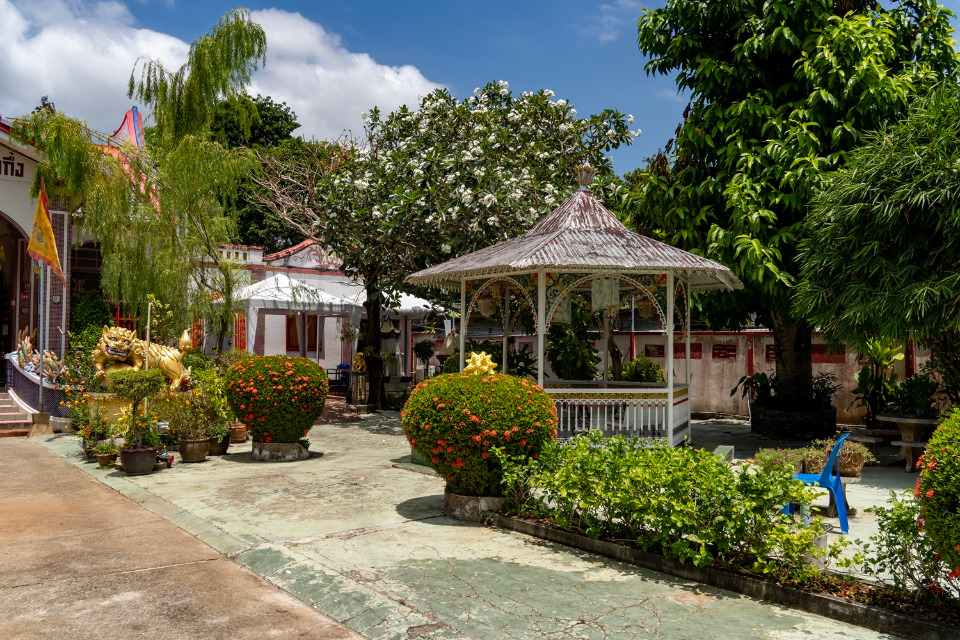
San Chao Kathu has breadth, weight and authority. Its grounds open out. Rooflines stack and spread. The whole compound feels older in spirit and more rooted in the island’s interior history than in the town's later commercial density. It reads less as an insertion into an existing streetscape than as a structure belonging to an earlier phase of settlement, when Chinese life on Phuket was more closely tied to the mining landscape.
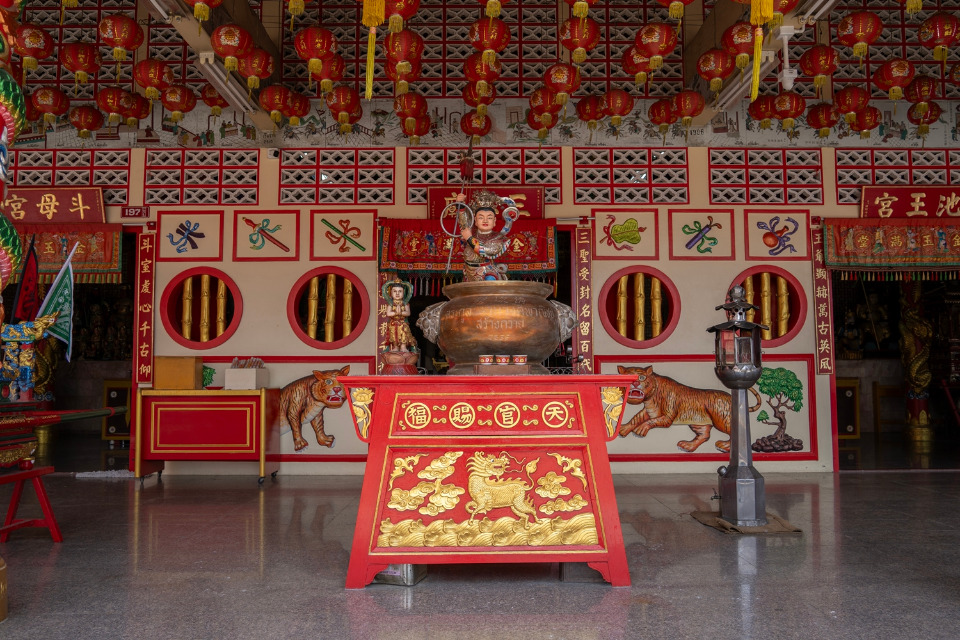
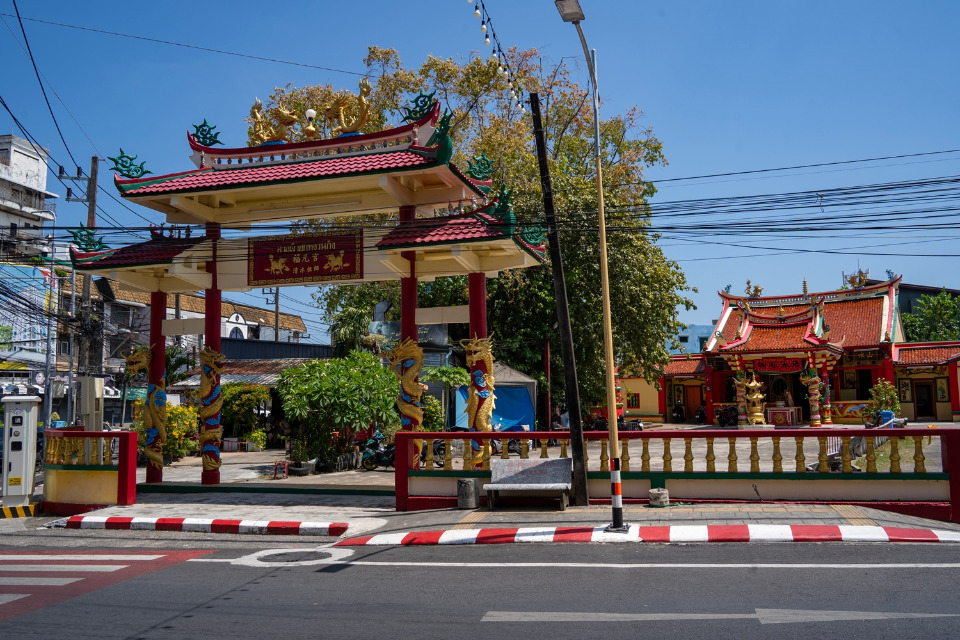
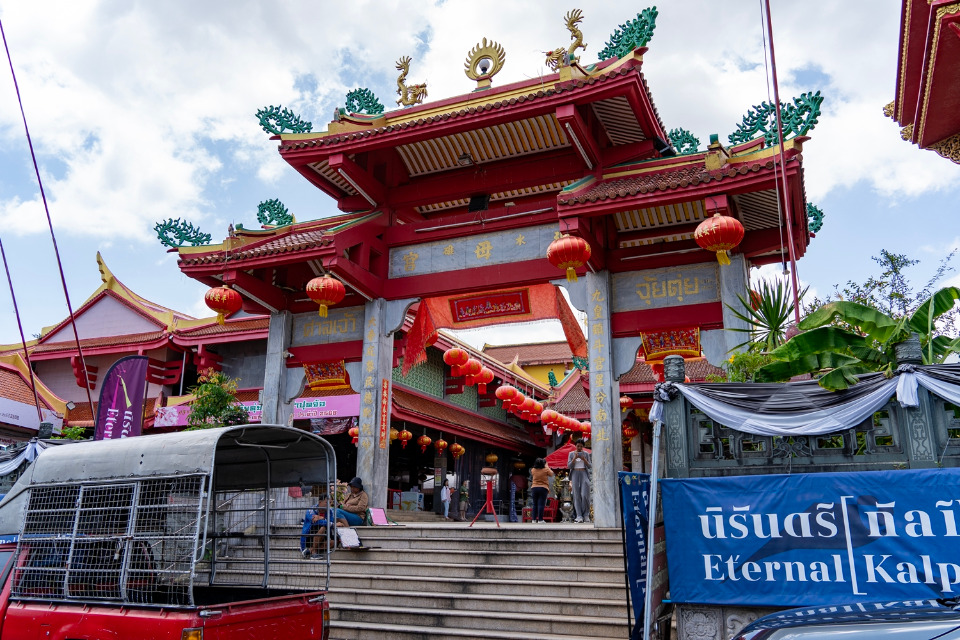
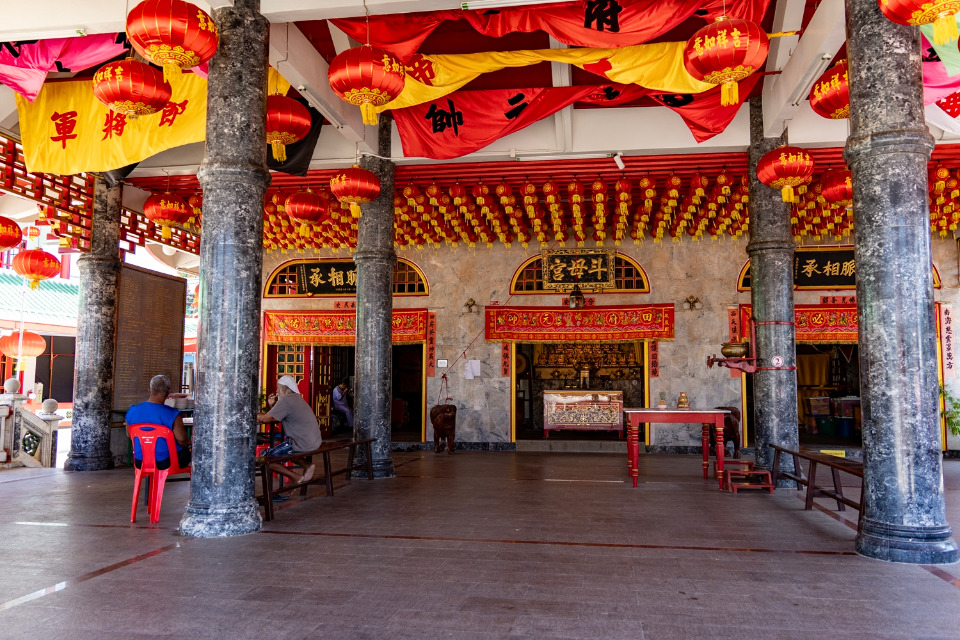
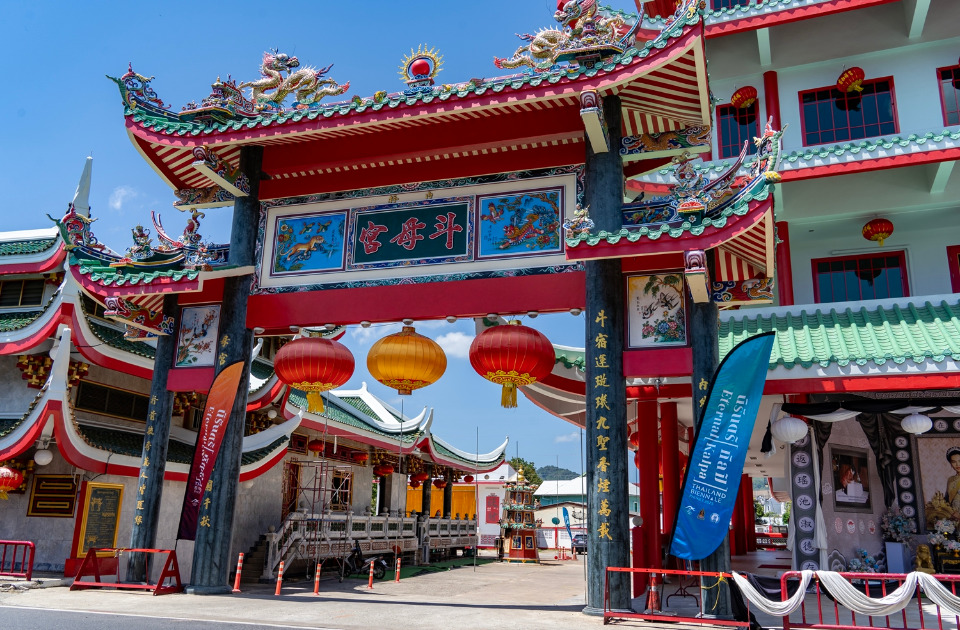
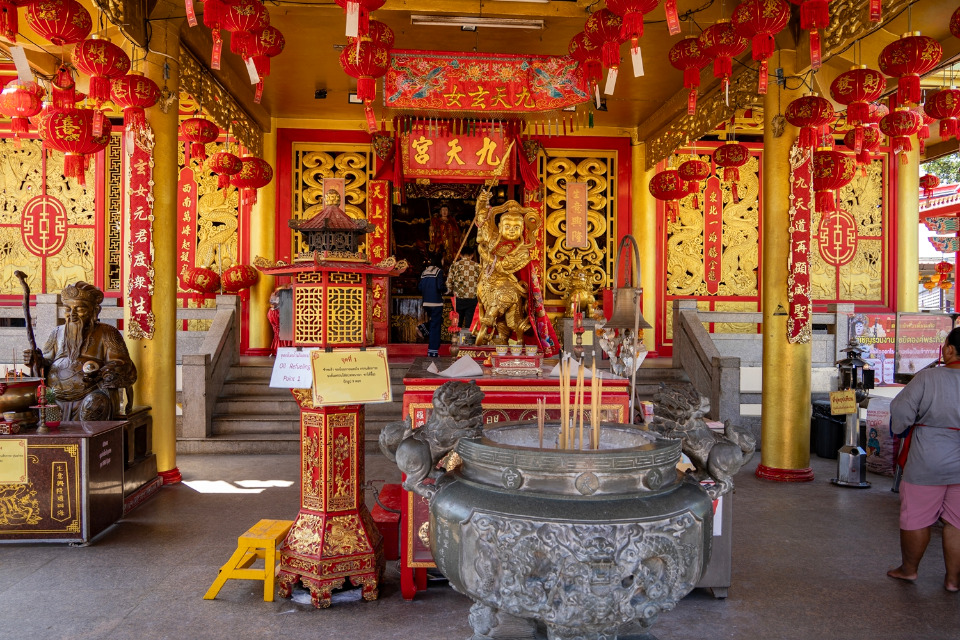
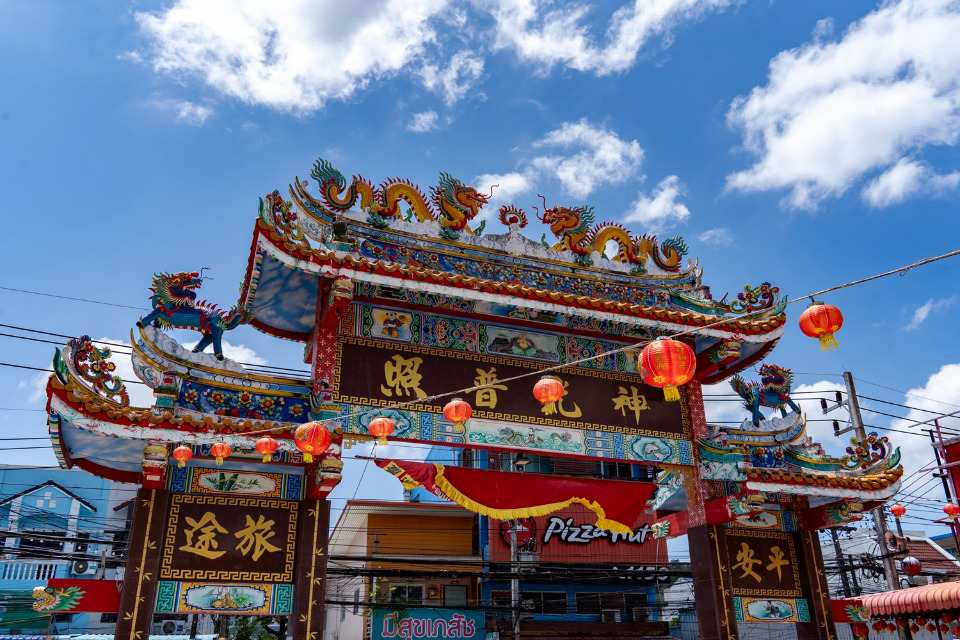
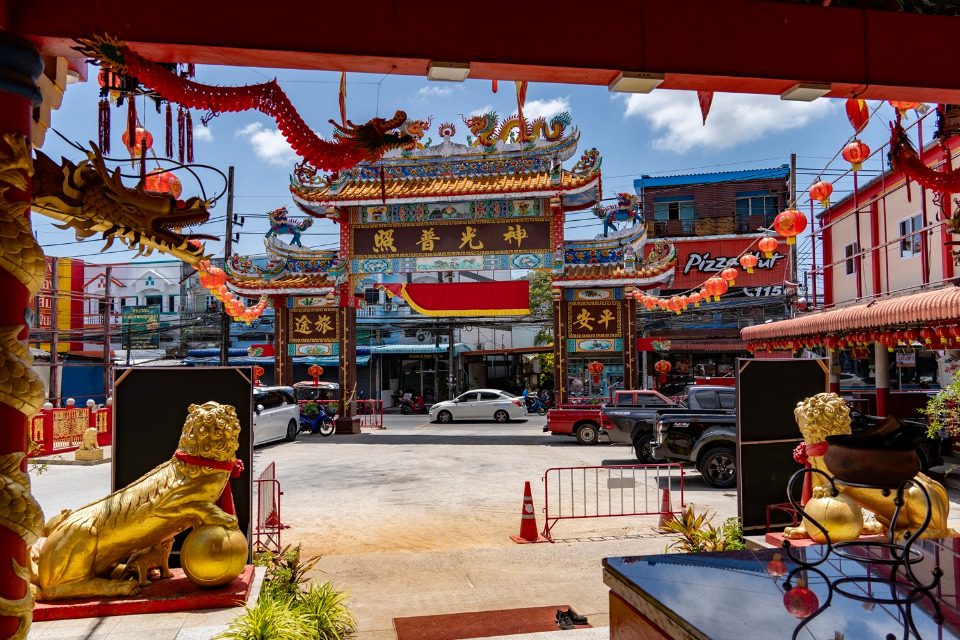
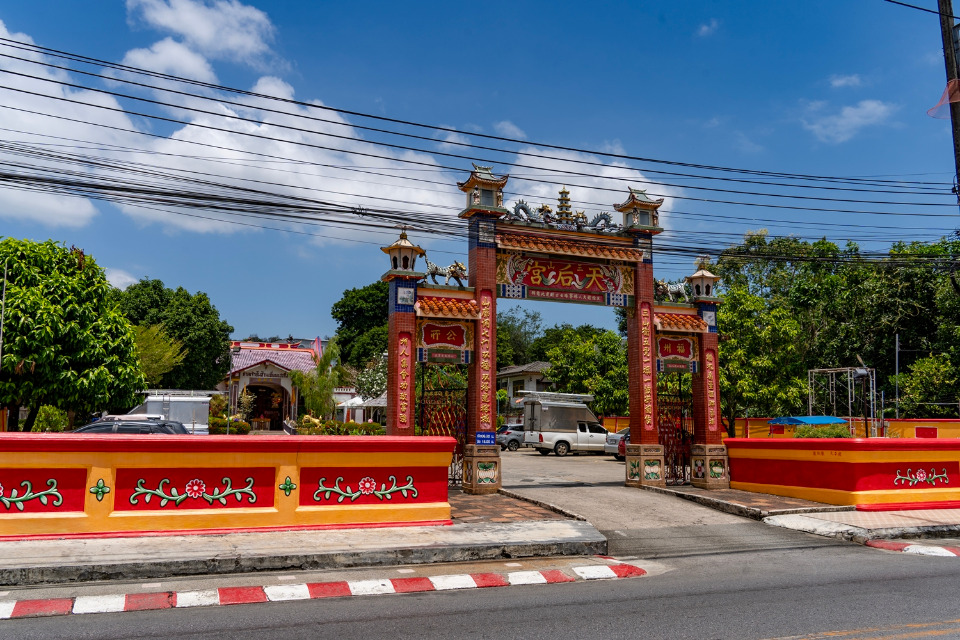
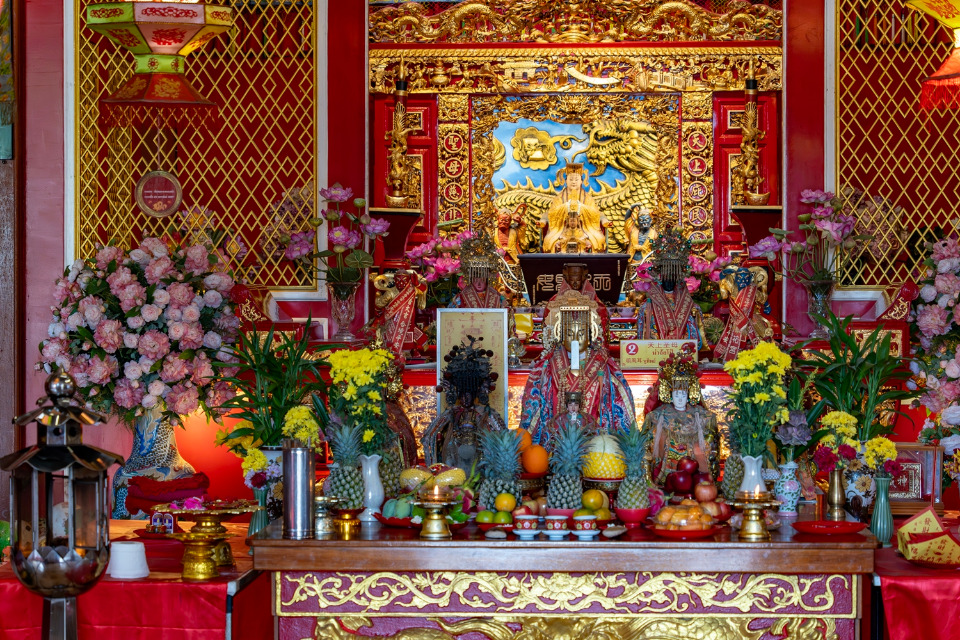
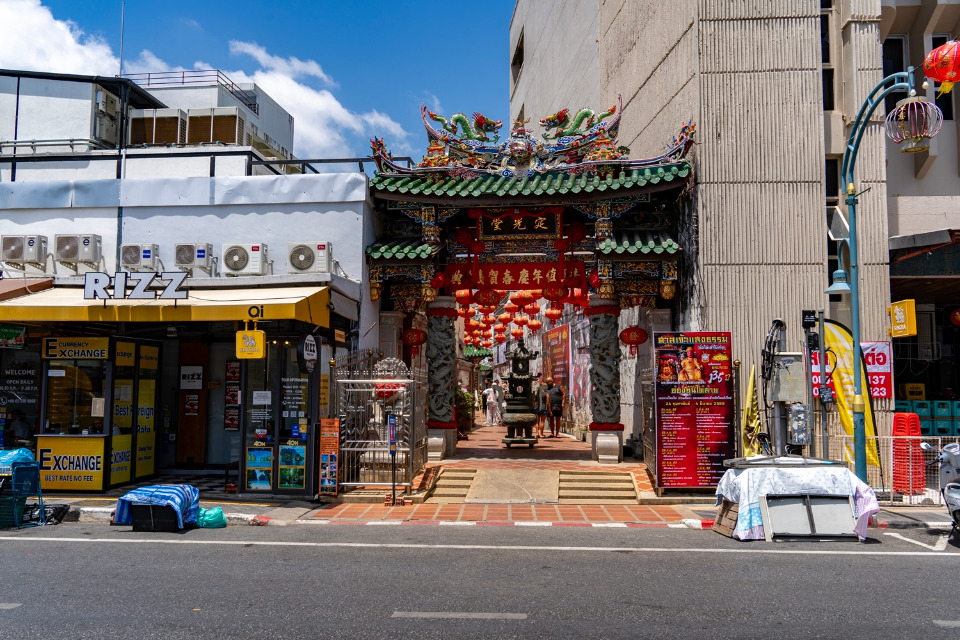
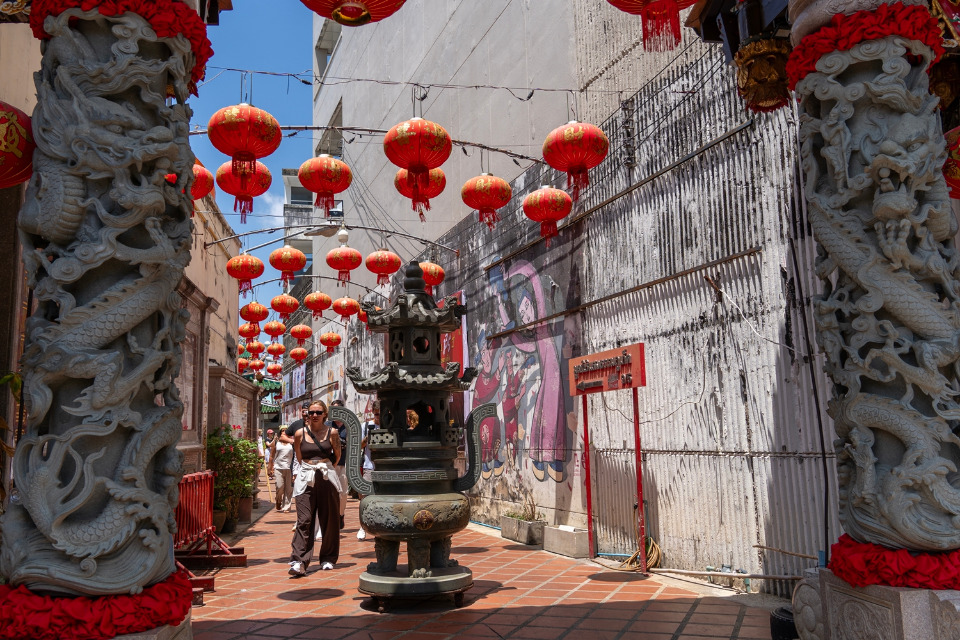
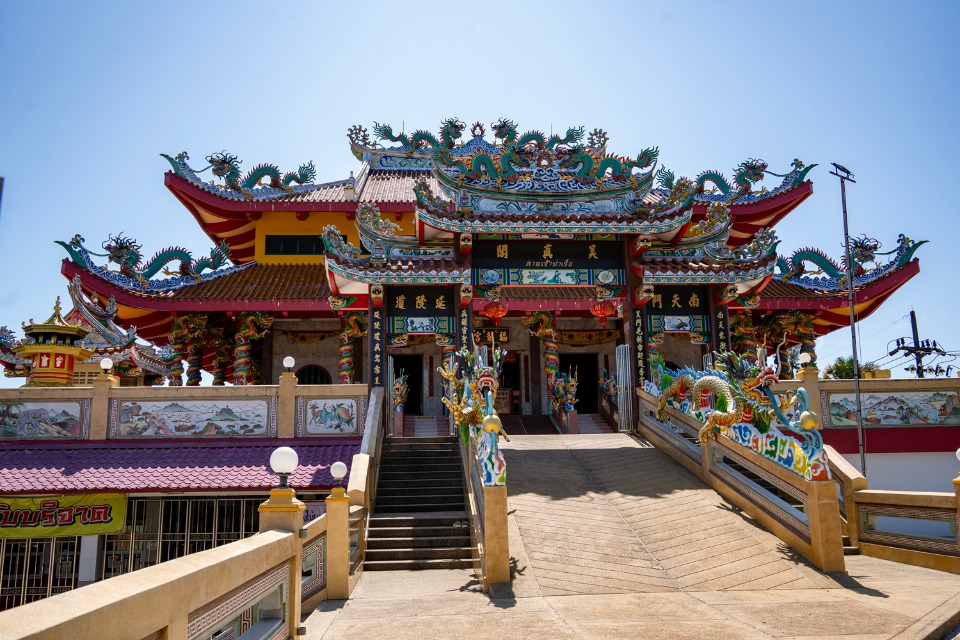
Jui Tui and Bang Neow project another kind of presence again. These are not hidden shrines, nor modest neighbourhood corners. They feel central, public and fully established in the religious life of Phuket Town. Their gateways declare themselves. Their interiors are saturated with red and gold, lanterns, beams, altars and deity figures. They carry the confidence of places that have moved beyond family or local scale and become communal anchors.
That shift matters. The history of Chinese Phuket did not remain hidden. As communities grew more settled, more visible, and more established, some shrines expanded with them. They took on larger compounds, stronger façades and a more civic role in the town's visual life. In that sense, the shrine network is not only a religious map. It is also a record of social confidence made visible in brick, timber, colourand ritual space.
Other shrines widen the story in quieter ways.
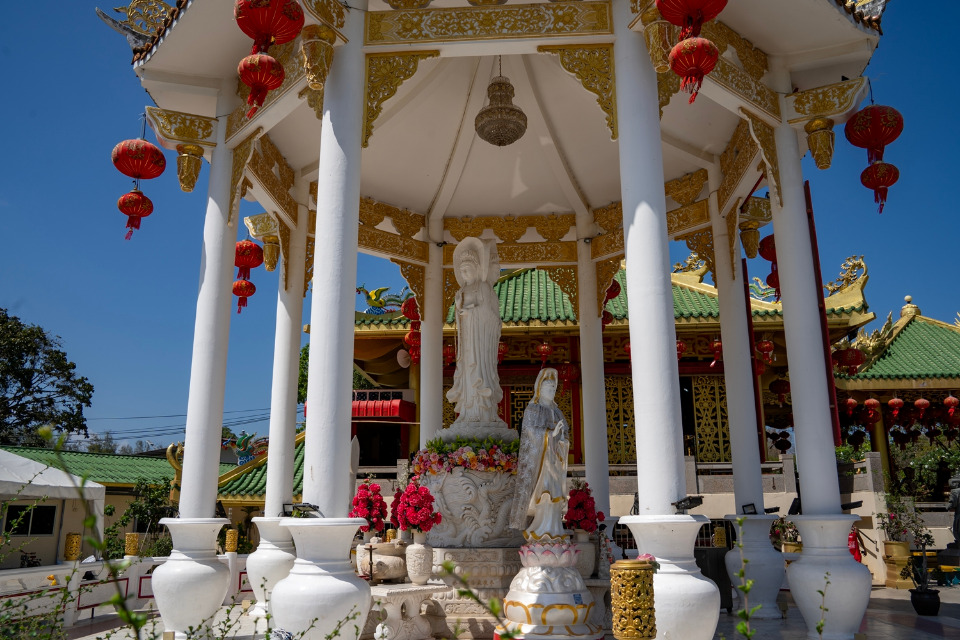
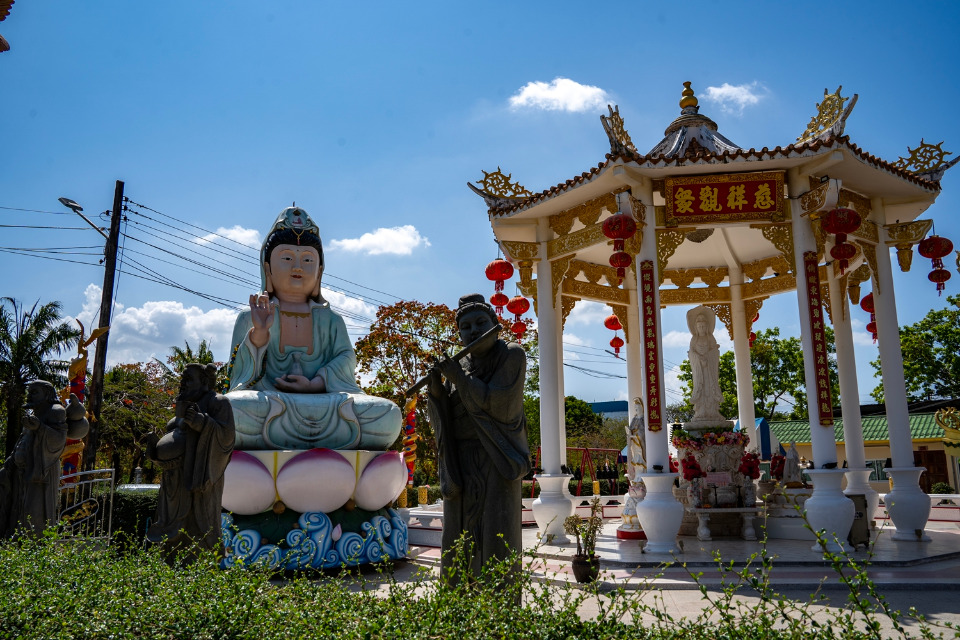
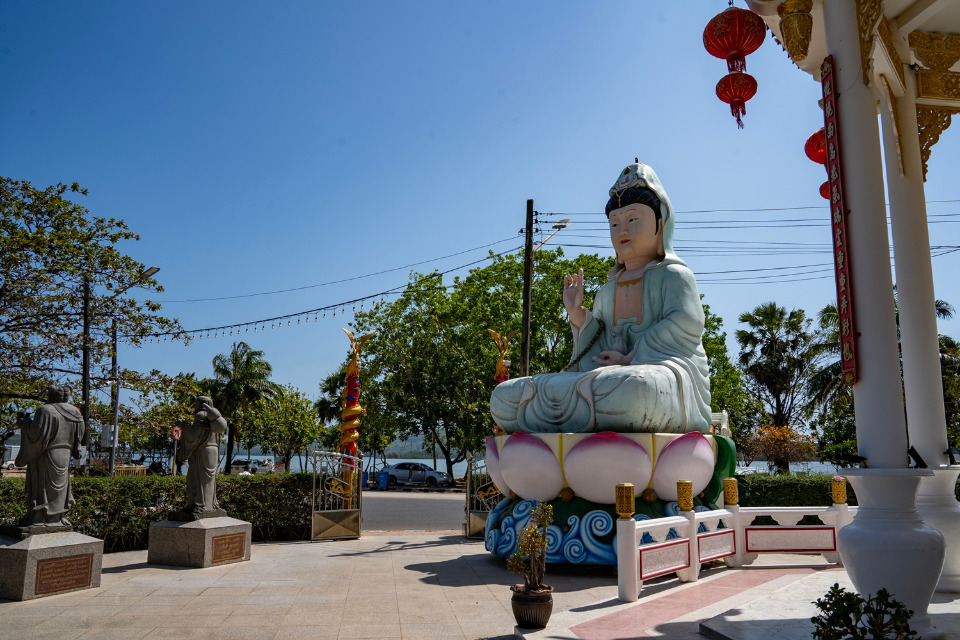
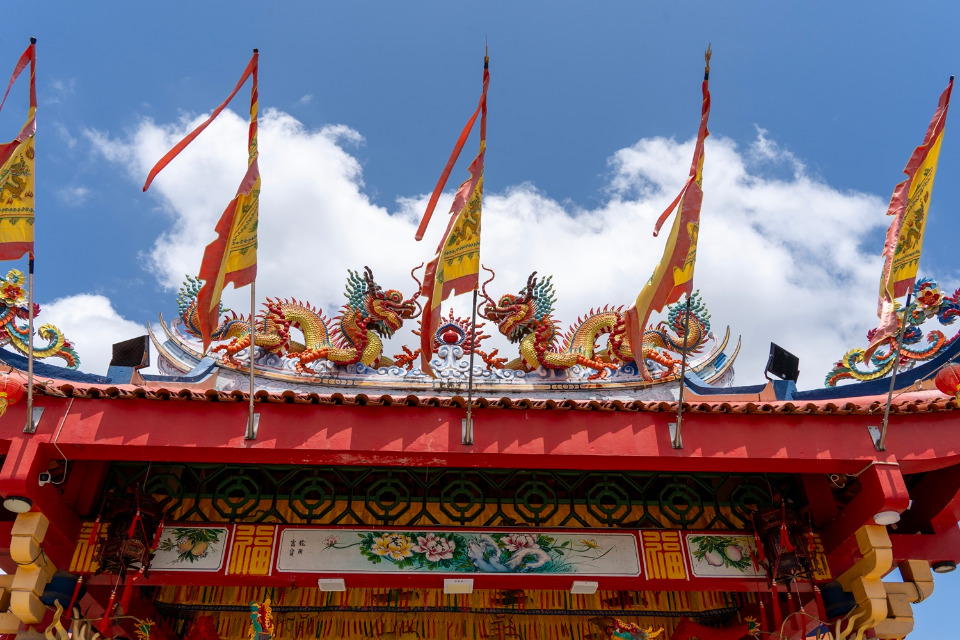
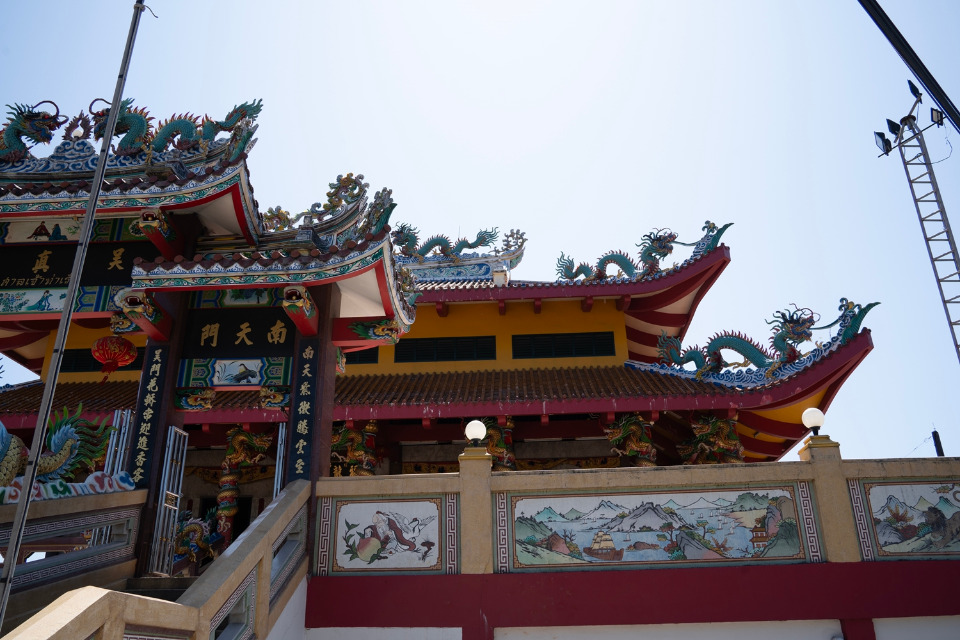
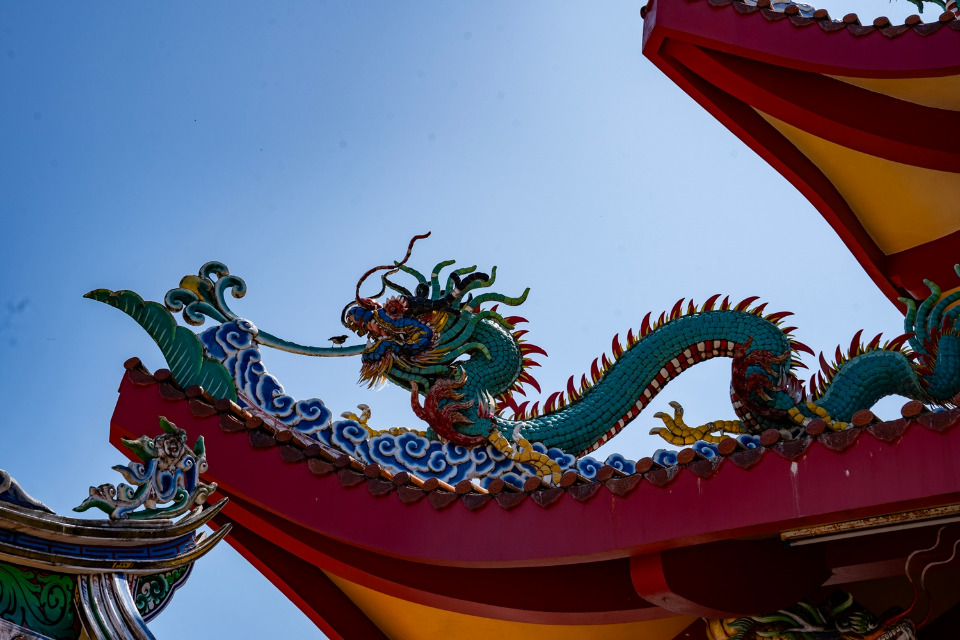
San Chao Tha Ruea stands out for its scale, broader approach, dragon ornament and more open compound. It feels designed to be seen. San Chao Mae Yanang, by contrast, is softened by its planted forecourt, giving it a calmer and greener setting than many of the tighter urban shrines. San Chao Kiew Tien Keng is visually distinct once more, with a brighter, more open site that sets it apart from the denser shrine language of the town. San Chao Lim Hu Tai Su, or Sam Kong, holds its place through its street-facing presence and neighbourhood scale, while smaller shrines such as Hok Nguan Kong and Jeng Ong show how deeply this sacred network still runs through modern Phuket.
Taken together, these shrines reveal something essential about the island. Immigration did not only bring labour. It brought institutions, lineage ties, neighbourhood centres and visible forms of belonging. The shrines are where that history remains legible. They show that Chinese settlement in Phuket was not an abstract demographic fact but a lived and organised presence that marked the island physically and socially.
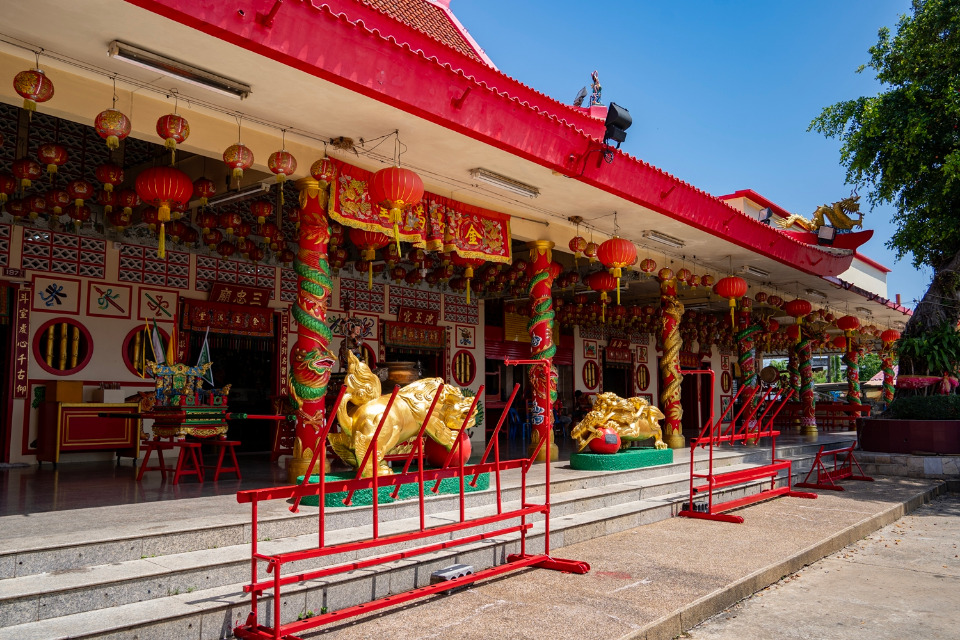
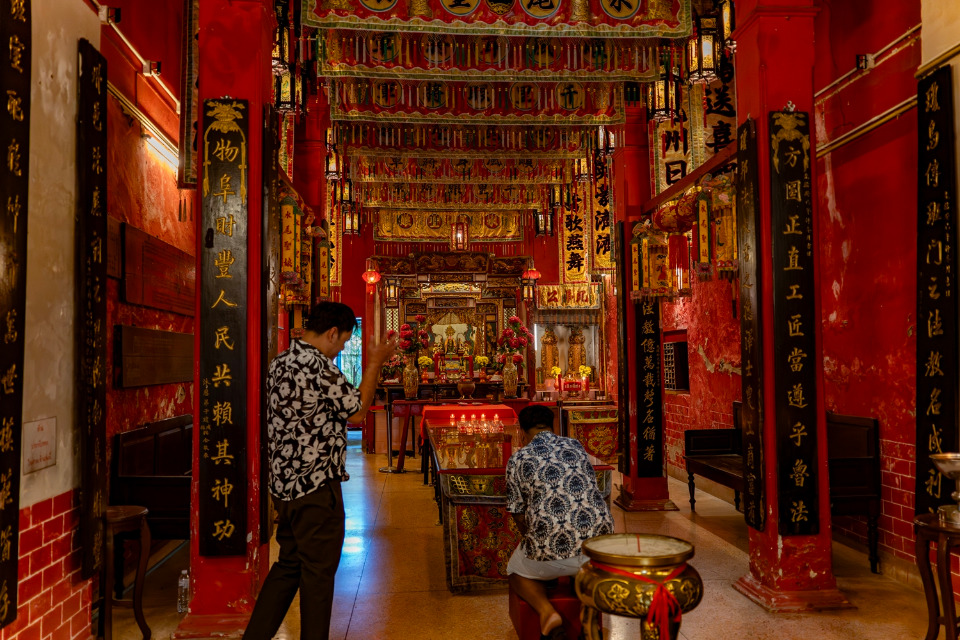
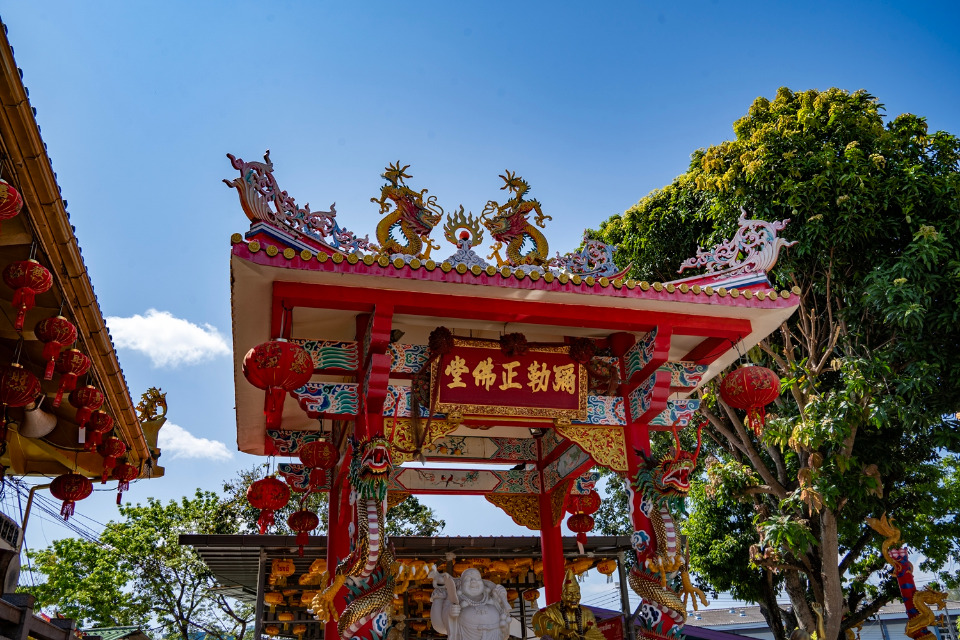
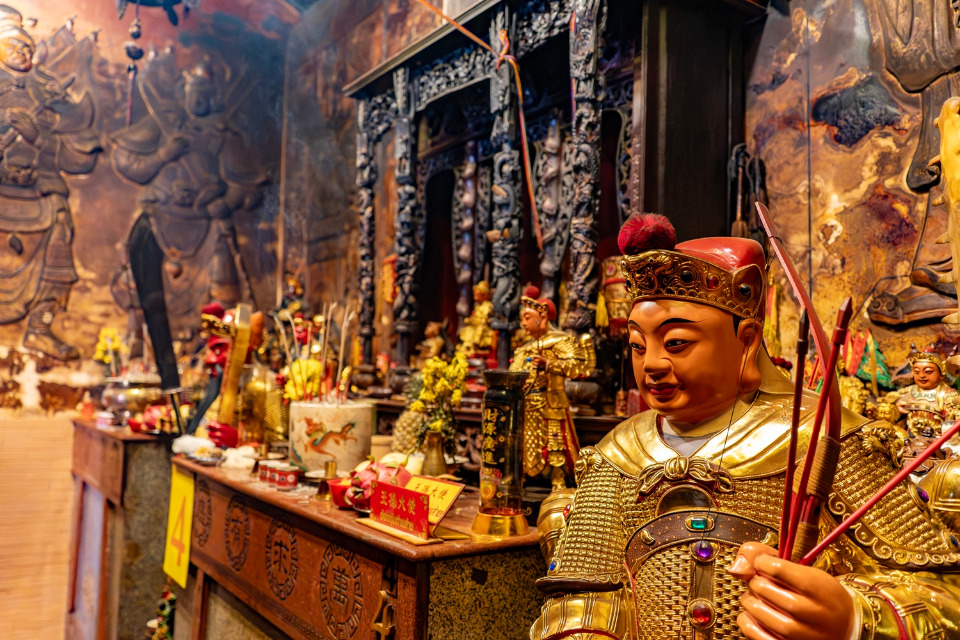
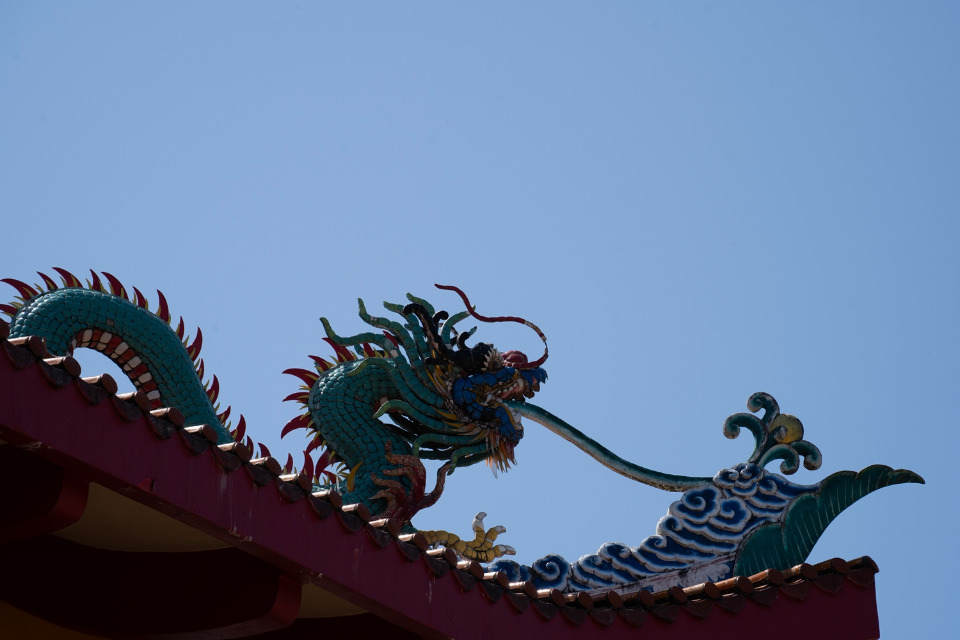
They also reveal a different religious atmosphere from the one most visitors associate with Thailand. Phuket’s Chinese shrines do not depend on monumentality as many Buddhist temples do. Their energy is often more concentrated. A narrow threshold. A sudden interior dense with smoke and figures. Lanterns overhead. Dragons catching the light. Offerings are placed close to the altar. Their power lies in compression, not grandeur.
That may be why they stay with you.
To move through Phuket via its Chinese shrines is to see the island differently. The beach narrative falls away. The resort narrative falls away. In its place emerges a more durable story of migration, trade, settlement and continuity. These shrines are not side notes to Phuket’s history. They are part of its structure.
Smaller than the island’s great Buddhist temples, they can still feel more intimate, more concentrated and, in some ways, more revealing. They show how immigrant communities made a home here, not only by working the island, but by building places that could hold worship, memory and identity across generations.
To follow them across Phuket is to read the island layer by layer, family by family, shrine by shrine.




Visit our other website









 GO TO TOP